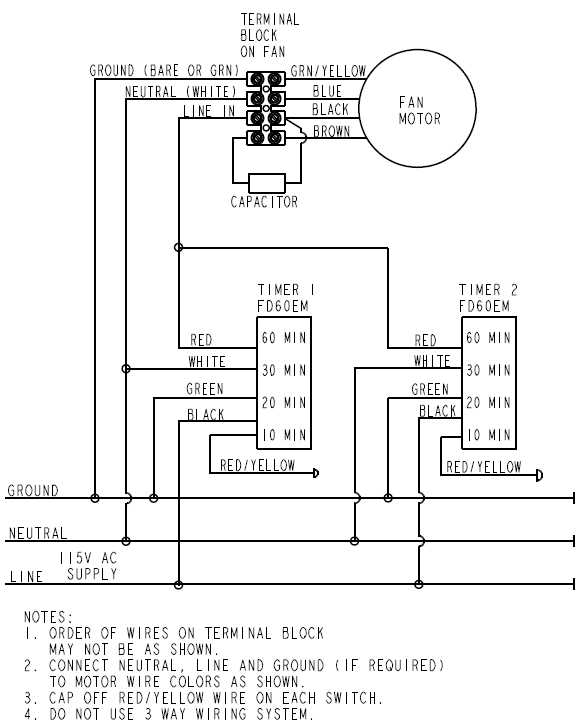
Verify each conductor path from the control panel to the detection line, manual pull station, and gas shutoff valve before connecting any terminals. Accurate connection mapping prevents unwanted discharge and guarantees correct shutdown of cooking equipment. Commercial kitchen fire protection assemblies rely on precise links between detection components, release mechanisms, and alarm outputs.
Follow the connection layout where the detection cable or fusible link line feeds a microswitch located inside the release mechanism housing. When heat melts the link or tension changes in the detection cable, the switch contacts change state and activate the discharge control unit. This contact action also triggers alarm signaling and utility interruption circuits such as gas valve closure and power cutoff to cooking appliances.
Connect manual pull stations in series with the detection switch so either activation path triggers the release mechanism. The same control panel usually contains relay contacts used for hood fan shutdown, gas solenoid interruption, and alarm panel notification. Clear conductor routing between these devices prevents cross-connection faults and ensures proper activation during a kitchen fire event.
Ansul System Electrical Wiring Diagram for Kitchen Fire Suppression Control Panels
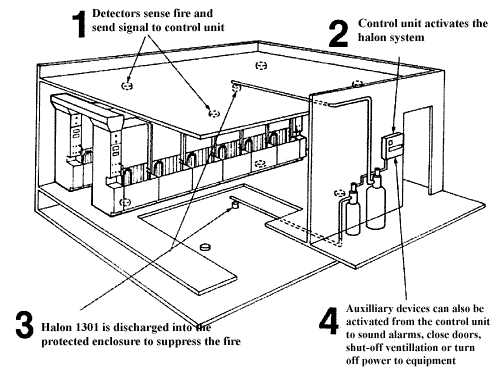
Connect the control panel terminals to the detection line, manual pull station, alarm interface, and fuel shutoff devices according to the installation drawing supplied with the fire protection unit. Each conductor must terminate on the correct screw terminal inside the release control enclosure to guarantee correct discharge activation and equipment shutdown.
The detection line normally connects to a microswitch mounted within the mechanical release assembly. Heat applied to fusible links or tension change in the detection cable triggers the switch and closes the activation contacts. This contact action energizes alarm outputs and initiates the discharge sequence.
- Detection cable or fusible link line connected to microswitch input terminals
- Manual pull station connected in series with the detection switch
- Alarm relay output connected to building fire alarm panel
- Gas valve solenoid control connected through shutdown relay contacts
- Exhaust fan or appliance power interruption connected to auxiliary relay
Route the manual pull station line through the same activation path used by the heat detection device. This arrangement guarantees that either mechanical trigger produces the same response: agent discharge, alarm notification, and fuel supply interruption.
Use relay contacts inside the control enclosure to interrupt the gas solenoid and electrical supply to cooking equipment. Typical installations include normally closed contacts feeding the gas valve. When the release mechanism triggers, the relay opens and the valve closes immediately.
- Detection line activates microswitch
- Release mechanism engages discharge cable
- Control relays change contact state
- Gas valve solenoid loses power
- Cooking equipment power supply disconnects
- Alarm signal passes to building fire alarm interface
Verify conductor continuity with a multimeter after installation and confirm that each activation device produces relay movement inside the control enclosure before placing the fire protection equipment into service.
Control Panel Terminal Connections for Detection Line Manual Pull Station and Alarm Output
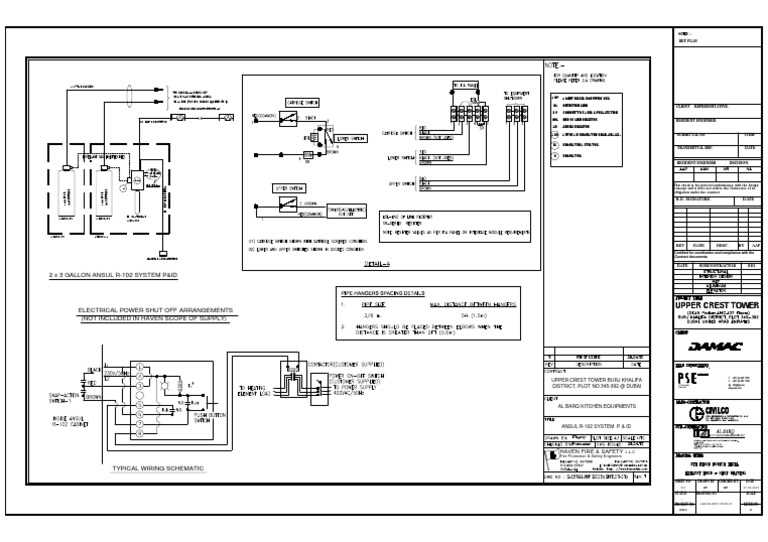
Connect the heat detection line to the designated input terminals inside the release control panel and route the manual pull station conductors through the same activation loop. This arrangement allows either a melted fusible link or manual handle operation to close the control contacts and trigger discharge and shutdown functions.
The manual pull station normally installs in series with the detection switch contacts. When the handle is pulled, the internal switch closes and sends a signal through the same control path used by the heat sensing line. This shared path guarantees identical response from the release mechanism and alarm relays regardless of which device activates first.
Attach the alarm output terminals to the building fire alarm interface or local notification device. Relay contacts inside the panel change state during activation and transmit a signal that can trigger horns, strobes, or monitoring inputs at the main fire control unit. Verify terminal labels and confirm continuity with a multimeter after completing all connections.