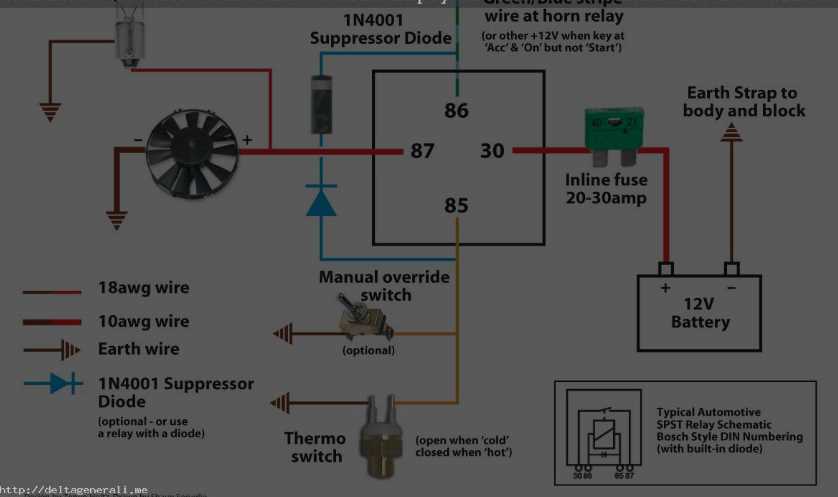
Connect the control unit directly to a 12-volt supply using a 20-amp fuse to prevent overcurrent situations. Ensure that the main power lead is routed with minimal bends and secured away from heat sources. Use terminals rated for at least 15 amps for signal lines to maintain consistent operation.
Ground connections should be established on bare metal surfaces with low resistance. A bolt with a star washer provides reliable contact. Avoid shared grounds with high-current devices to prevent voltage drops that can trigger false activation of the motor controller.
Integrate the control input with the temperature sensor or manual switch using shielded wires no longer than 18 inches to minimize interference. Verify polarity and test the trigger voltage, which should read between 11 and 14 volts under normal operating conditions before securing connections.
Electric Fan Relay Connection and Installation Guide
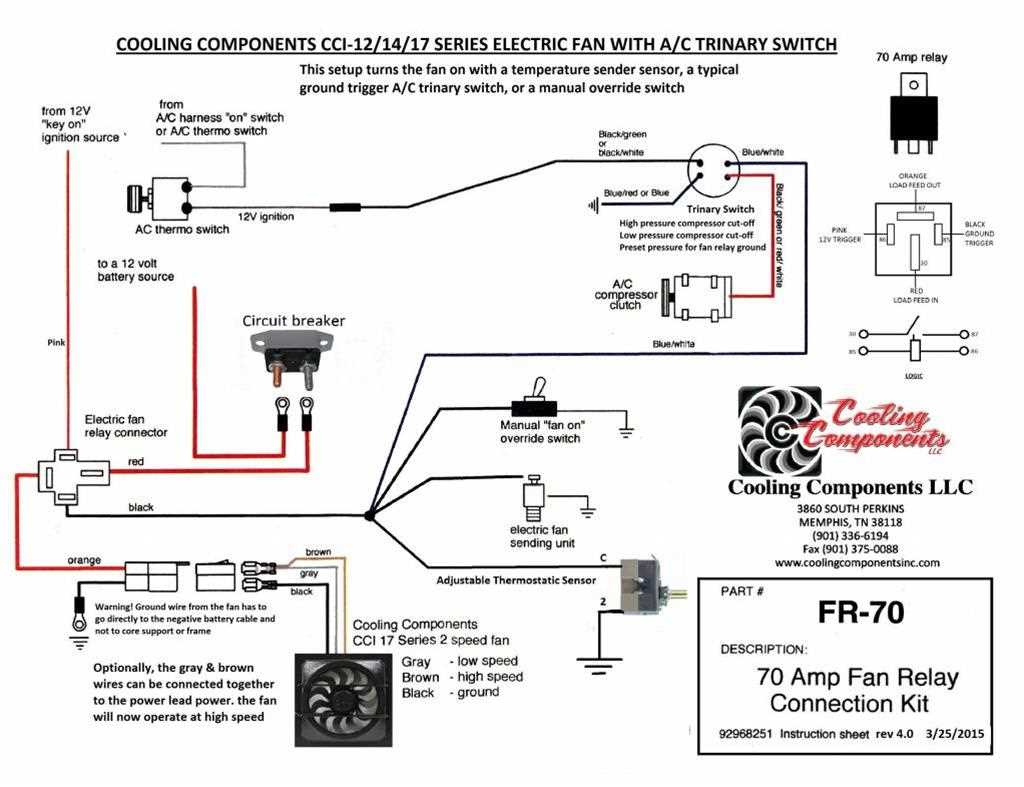
Mount the control module on a stable metal surface near the cooling assembly to minimize lead length. Ensure the mounting location is free from excessive vibration and moisture exposure to maintain consistent operation.
Use a fused power supply rated for 20 amps between the battery and the control unit. Place the fuse as close to the battery as possible to protect the main conductor from shorts or accidental contact with grounded components.
Connect the actuator trigger line directly to the temperature switch or manual override. Shielded or twisted-pair wires reduce electromagnetic interference from nearby high-current circuits. Verify the signal voltage reaches the recommended 12 volts under normal conditions before finalizing the connections.
Establish a solid ground with bare metal surfaces using a star washer and lock nut. Avoid shared grounding points with high-draw devices such as motors or compressors to prevent voltage fluctuations and false activation.
Route output lines to the motor terminals carefully keeping them away from hot exhaust components and sharp edges. Use heat-resistant sleeves and secure wires with clamps or ties to avoid abrasion over time.
- Check all terminal connections for tightness and corrosion.
- Confirm that each lead matches the correct port according to polarity markings.
- Test activation by applying the control signal and observing the device response before full system operation.
After installation, monitor the system during the first operation cycle to ensure no overheating, voltage drop, or unexpected switching occurs. Make adjustments to mounting or lead routing if necessary to maintain reliable and safe functionality.
Identifying Correct Relay Terminals and Trigger Points
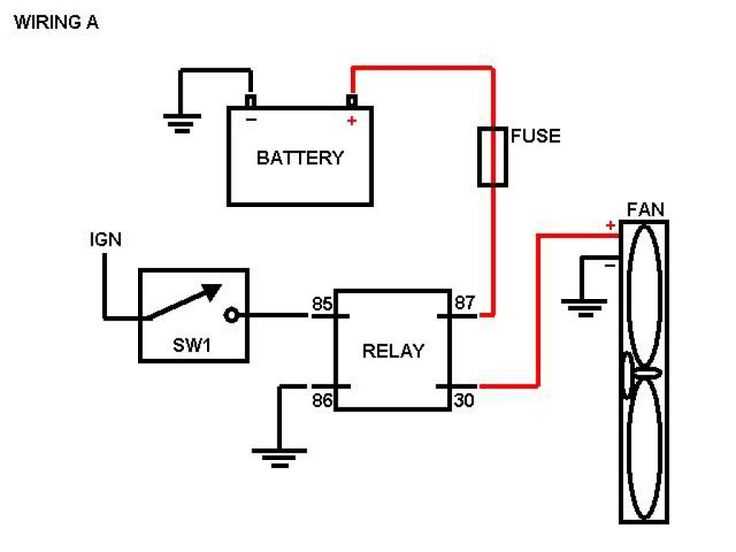
Locate the power input terminal marked 30 or B+ on the device casing and confirm voltage continuity with a multimeter before connection. This terminal must connect directly to the main supply through a properly rated fuse to prevent overheating and ensure reliable activation.
Identify the actuator input pin labeled 85 or S as the trigger point for operation. Connect this line to the temperature sensor, pressure switch, or manual control. Verify that the control source delivers the correct voltage range for consistent engagement without unintended cycling.
Check the load terminals marked 87 and 87a for correct polarity and output paths. Use test leads to simulate activation and ensure the device responds only when the control signal is applied. Misidentifying these points can lead to reverse current flow or failure of the motor to operate under expected conditions.