
Use a regulated 12V power source rated for at least 5A to supply both amplifier modules safely. Ensure correct polarity on all connections to prevent damage to internal electronics and maintain consistent performance under high output.
Keep signal and power lines separate to minimize electrical interference. Use shielded cables for input connections and route them away from high-current paths to avoid hum or static in the audio channels.
Test each unit individually before linking them together. Adjust volume and equalizer settings to balance left and right outputs, creating clear and even sound across all speakers without distortion at peak levels.
Label each connection clearly during installation. Color-coded or numbered wires for power, ground, and audio paths reduce mistakes and make future upgrades or troubleshooting simpler, ensuring reliable operation over time.
Vehicle Audio Connection Guide
Use a regulated 12V power supply rated for at least 5A to ensure stable operation of both amplifier units. Connect positive and negative terminals correctly to prevent damage to internal circuits and maintain consistent output under heavy load.
Organize signal and power lines to avoid interference. Use shielded cables for input connections and route them separately from high-current power cables. Secure all connectors firmly to maintain clear and noise-free audio performance.
Key steps for setup:
- Test each module individually before linking them together
- Adjust volume and balance controls to achieve uniform sound across all speakers
- Label each wire for power, ground, and audio paths to simplify troubleshooting and future upgrades
- Verify voltage at each unit under load to ensure it stays within 11.5–12.5V for stable performance
Power Supply and Fuse Requirements for Audio System
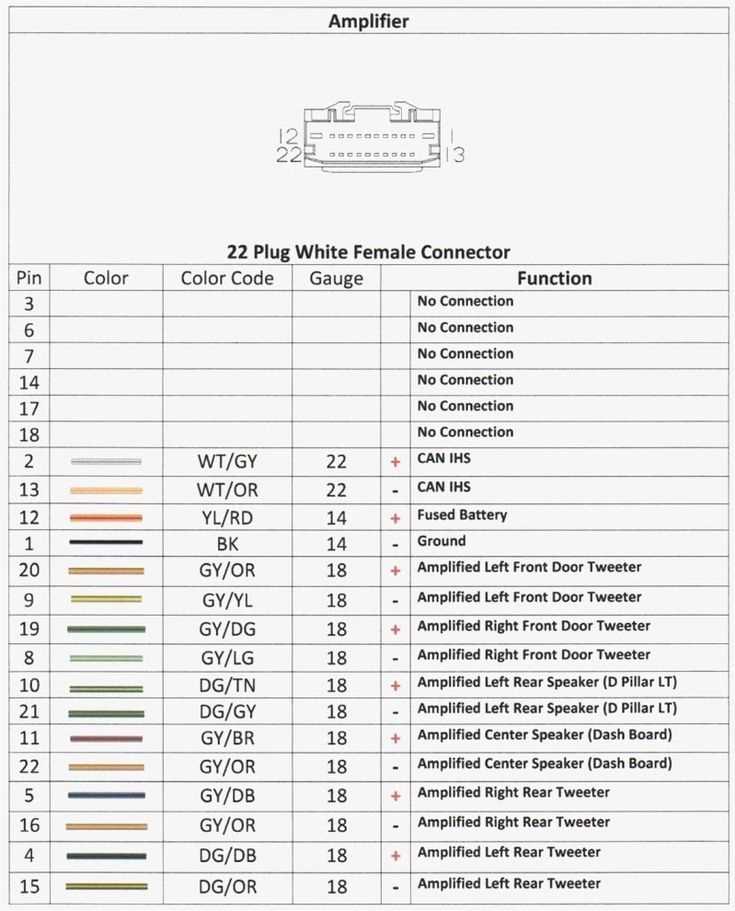
Use a regulated 12V power source rated for at least 5A to support all amplifier modules under peak output. Ensure correct polarity and secure connections to prevent voltage drops that can cause instability or damage to internal components.
Fuse Selection
Install inline fuses rated slightly above the normal operating current of the system. For units drawing up to 5A each, use a 7A–8A fuse per line. This protects against short circuits while allowing brief power surges during startup without tripping.
Power Line Considerations
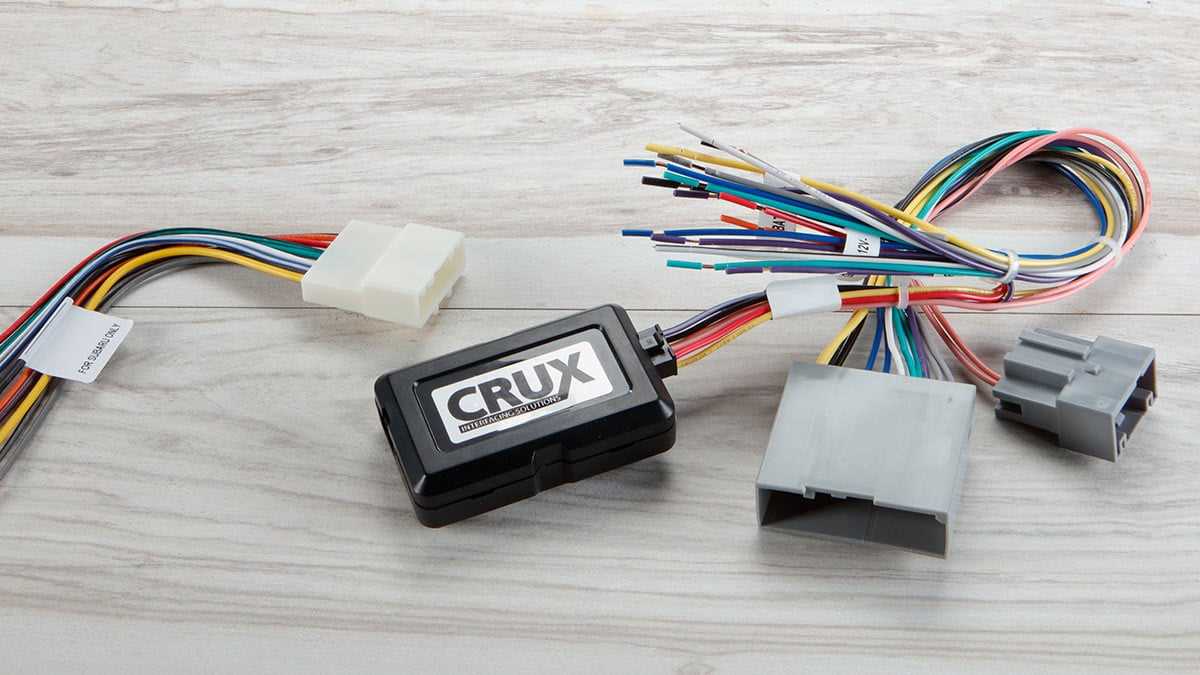
Use 16–18 AWG wires for positive and negative connections to minimize voltage drop. Add decoupling capacitors (470µF–1000µF) near power terminals to smooth transient spikes, ensuring consistent audio performance and preventing amplifier shutdowns under heavy load.