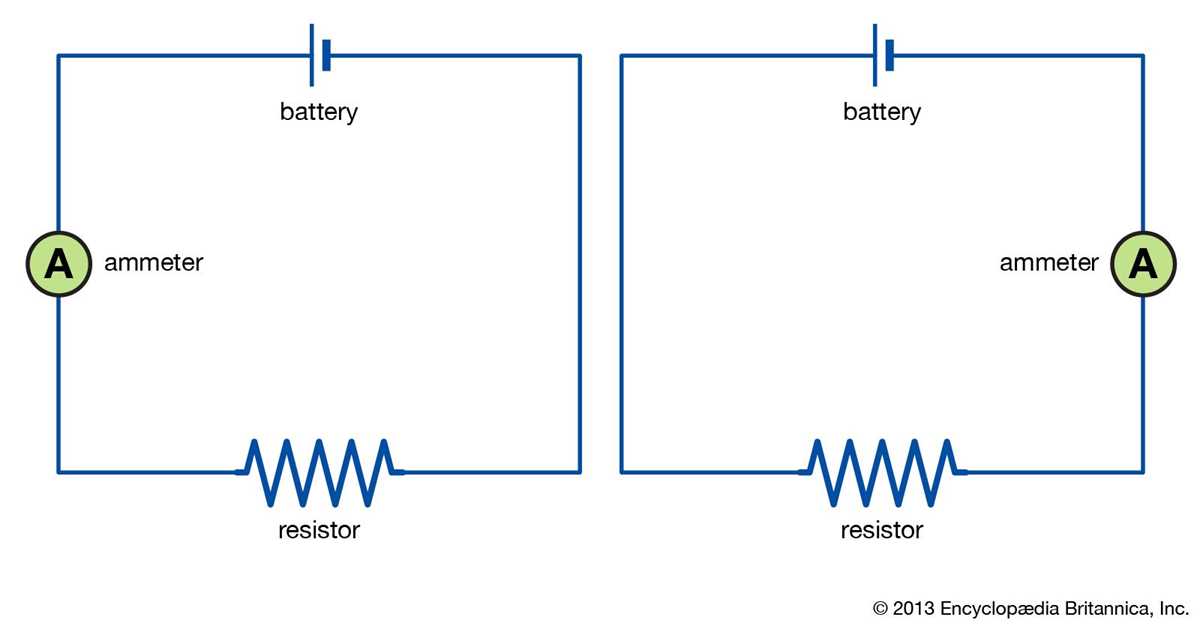
Before working with any electrical setup, you need to be able to interpret the symbols and connections accurately. This guide will help you understand how to read schematics, connect components, and troubleshoot problems effectively. Knowing the role of each part and how to follow a schematic layout allows for quicker identification of issues and simplifies modifications or repairs.
Whether you’re working on a home appliance, automotive wiring, or industrial equipment, being able to understand the relationships between components like resistors, capacitors, and switches is key. The lines in these diagrams represent paths through which current flows, while the symbols for each part indicate its specific function within the system.
As you become familiar with these designs, you’ll learn to spot common mistakes, such as incorrect connections or misplaced components. Understanding the logic behind the schematics enables you to approach each project confidently, ensuring that your installations or repairs are both correct and safe.
Understanding Wiring Schematics
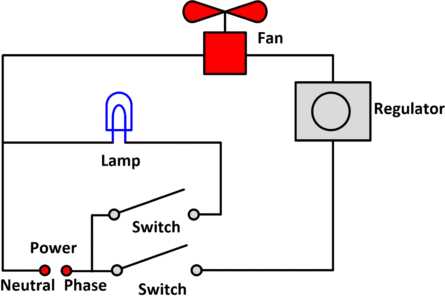
When working with complex systems, understanding how different components are interconnected is crucial for accurate setup or troubleshooting. These visual representations outline how various devices and parts interact with each other through paths that allow energy to flow. Each component is represented by a unique symbol, and the connections between them show how they work together to complete a functional unit.
It is important to familiarize yourself with the most commonly used symbols and the meaning behind them. For example, a resistor will typically be shown as a zigzag line, while a power source is often depicted as a set of two parallel lines. Knowing these representations allows you to quickly decode the system’s behavior, enabling you to identify potential issues in the setup.
These layouts also illustrate the flow of current, which is essential when diagnosing problems like short circuits, overloads, or broken connections. By following the lines and ensuring all parts are connected as shown, you can avoid costly errors or safety risks during installation or repair.
Practical Applications
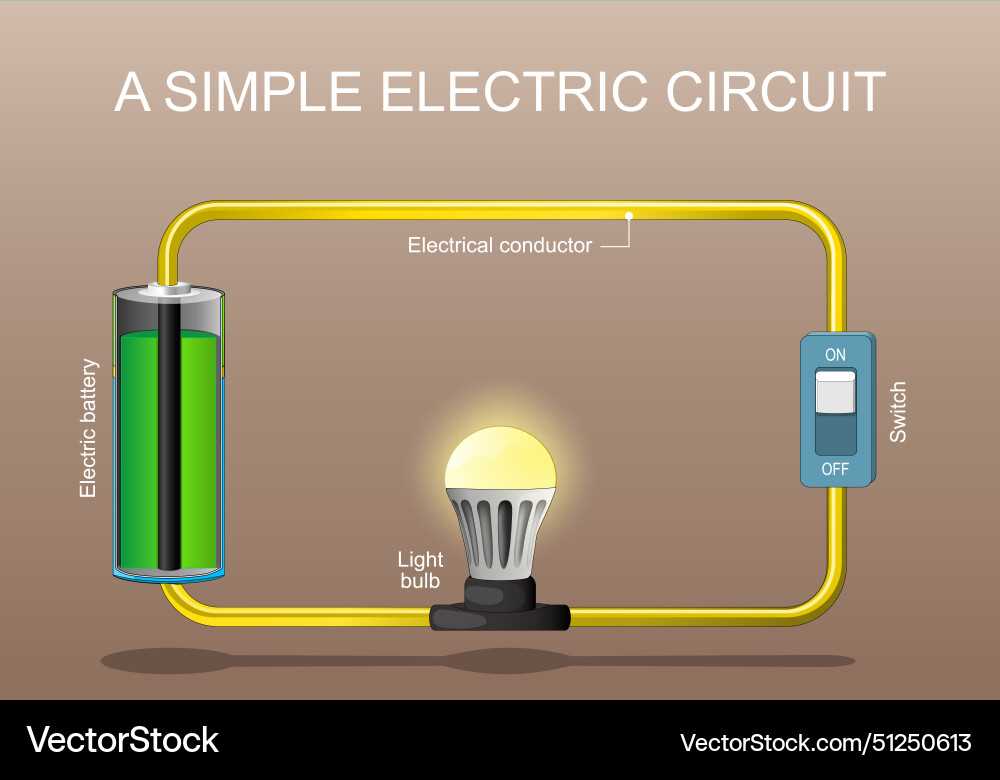
In practical terms, these layouts are used in various fields like automotive systems, home appliances, and even industrial machinery. For instance, when installing new equipment, a schematic helps you connect each device correctly, ensuring smooth operation and minimizing the chances of malfunctions. Understanding these visuals also makes it easier to replace faulty components, ensuring the new parts fit the system’s requirements without causing interference.
How to Read and Interpret Circuit Symbols
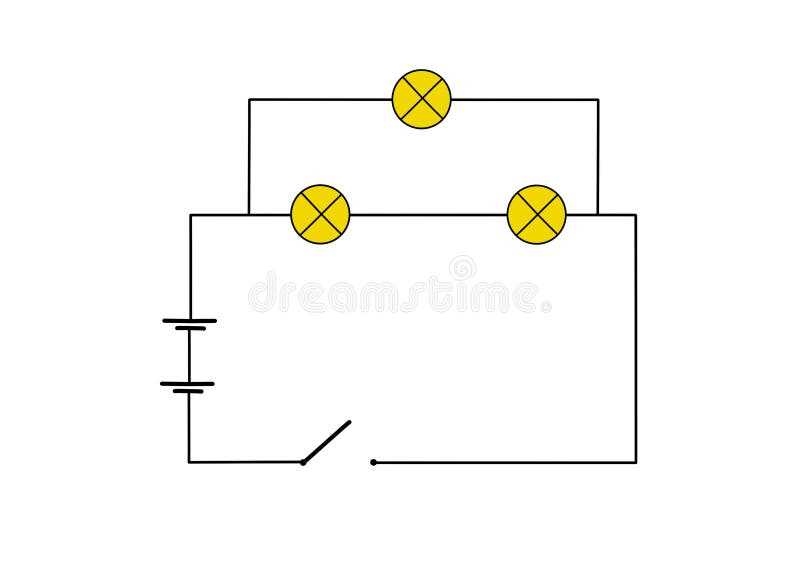
Begin by familiarizing yourself with the most common symbols used in schematics. Each symbol represents a specific component, such as resistors, capacitors, and switches. For instance, a simple zigzag line typically represents a resistor, while a parallel line often indicates a power source. Understanding these symbols is critical to effectively reading any diagram.
Next, pay attention to the connections between these symbols. Lines indicate paths where current flows, and intersections can represent junctions where multiple components are connected. It’s essential to follow the flow of current from the power source, through the components, and back to the ground. This helps you understand how the system operates and where each component fits into the larger setup.
Additionally, certain symbols may have variations depending on the system type or complexity. For example, in some layouts, a switch might appear as an open or closed contact, representing its position in the circuit. Understanding these nuances is crucial for interpreting more complex systems accurately.
Common Symbols and Their Meanings
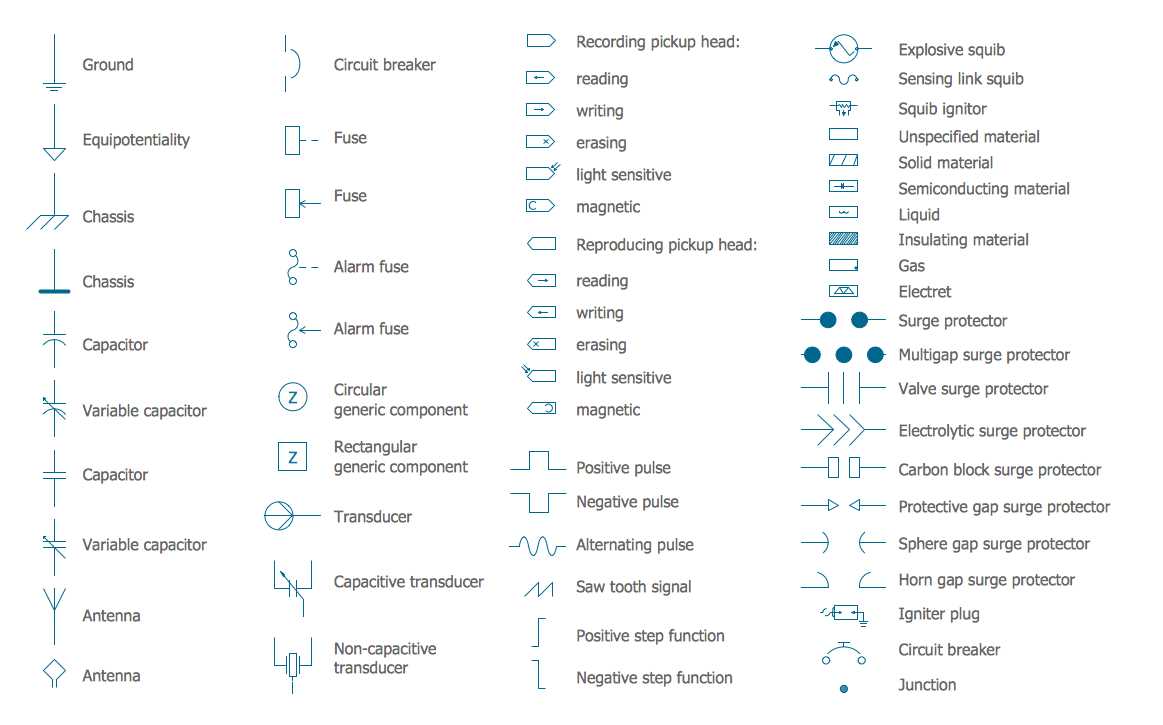
- Resistor: Zigzag line, used to limit current flow.
- Capacitor: Two parallel lines, storing electrical charge.
- Switch: A break in the line with a toggle symbol, representing on/off states.
- Ground: A set of horizontal lines decreasing in size, representing a common return path.