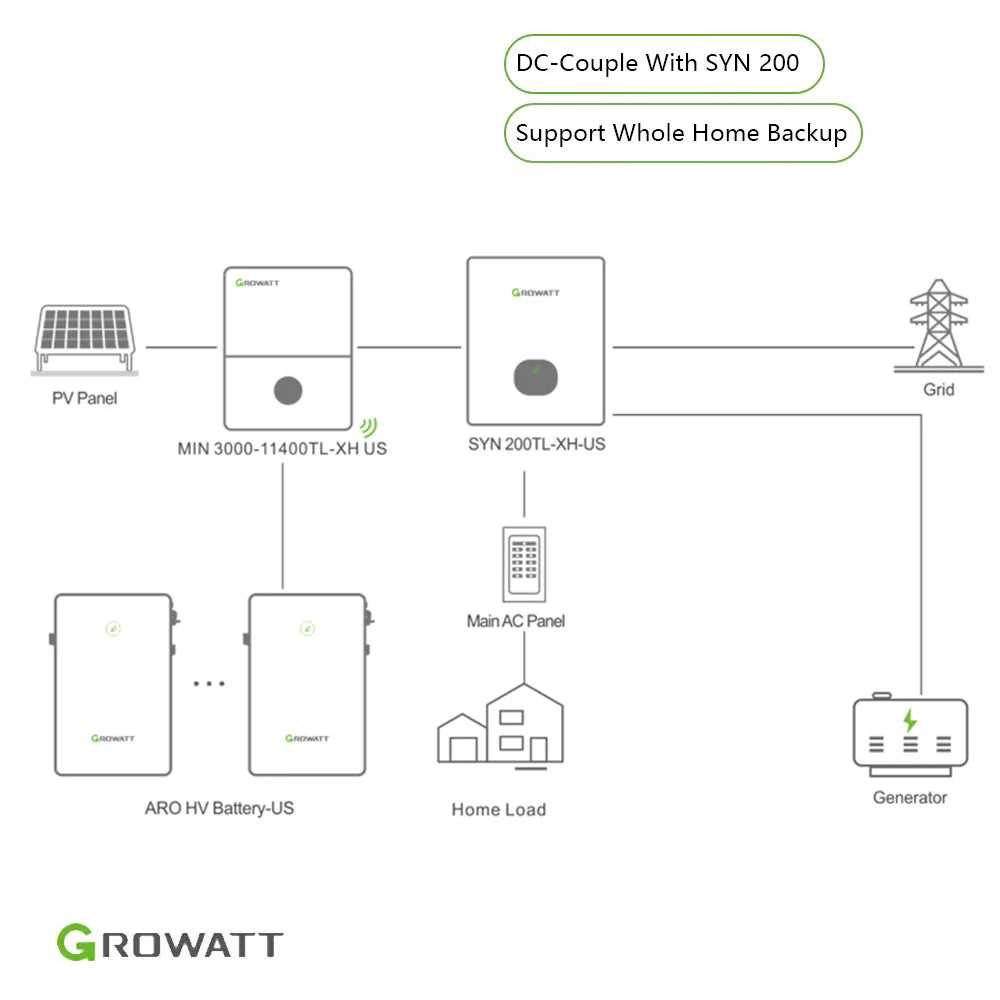
Install a transfer switch before connecting any circuits to prevent backfeed into utility lines. Choose a location near the main panel with clear access for maintenance and secure mounting to support the switch’s weight.
Label each circuit before linking to the backup source to avoid overloads. Note the amperage and purpose of each line, including lighting, appliances, and HVAC, to ensure the system handles peak demand without tripping breakers.
Use properly rated cables and breakers to match the output of the standby unit. Check insulation, conductor size, and connection tightness to reduce the risk of overheating or voltage drop during prolonged operation.
Test the system thoroughly after installation. Activate the backup supply and verify all circuits function correctly. Observe indicator lights, measure voltage at critical outlets, and monitor for unusual sounds or heat at connections to confirm safe operation.
Residential Backup Power Connection Guide
Begin by installing a transfer switch adjacent to the main service panel. This prevents backfeed into utility lines and allows safe switching between utility and backup supply. Ensure the mounting surface is stable and connections are easily accessible.
Identify and label all circuits to be powered. Mark each line with its load type, such as lighting, appliances, or HVAC. Calculate the total amperage for each group to avoid exceeding the capacity of the backup unit or tripping breakers during peak usage.
Select conductors and breakers rated for the output. Use copper or aluminum cables with insulation suitable for the expected load. Tighten all terminals securely and check for proper torque to reduce resistance and heat buildup.
Connect circuits carefully to the transfer switch, following the order of breakers in the main panel. Confirm the neutral and ground connections match local electrical codes. Use strain relief fittings to prevent tension on the conductors.
Test the system thoroughly before regular operation. Switch to the backup supply and activate all labeled circuits individually. Measure voltage at outlets, observe indicator lights, and listen for unusual noises. Correct any irregularities immediately to ensure safe, reliable performance.
Installing the Transfer Switch and Main Connections
Mount the transfer switch close to the main service panel on a stable surface. Ensure there is enough clearance for breaker access and cable routing. Use anchor bolts or screws rated for the wall material to prevent movement or vibrations over time.
Follow a step-by-step connection process to link the main lines safely:
- Turn off the main breaker to disconnect utility power.
- Route the feed cables from the switch to each circuit breaker in the panel.
- Connect neutral and ground wires according to code, keeping separation where required.
- Tighten all terminals to manufacturer-specified torque values to prevent overheating.
- Double-check polarity and labeling before restoring power.
Test connections before using the backup source. Engage the switch to simulate load transfer and monitor voltage at key outlets. Look for flickering lights, abnormal heat at terminals, or unusual sounds, and correct any issues immediately to ensure safe operation.