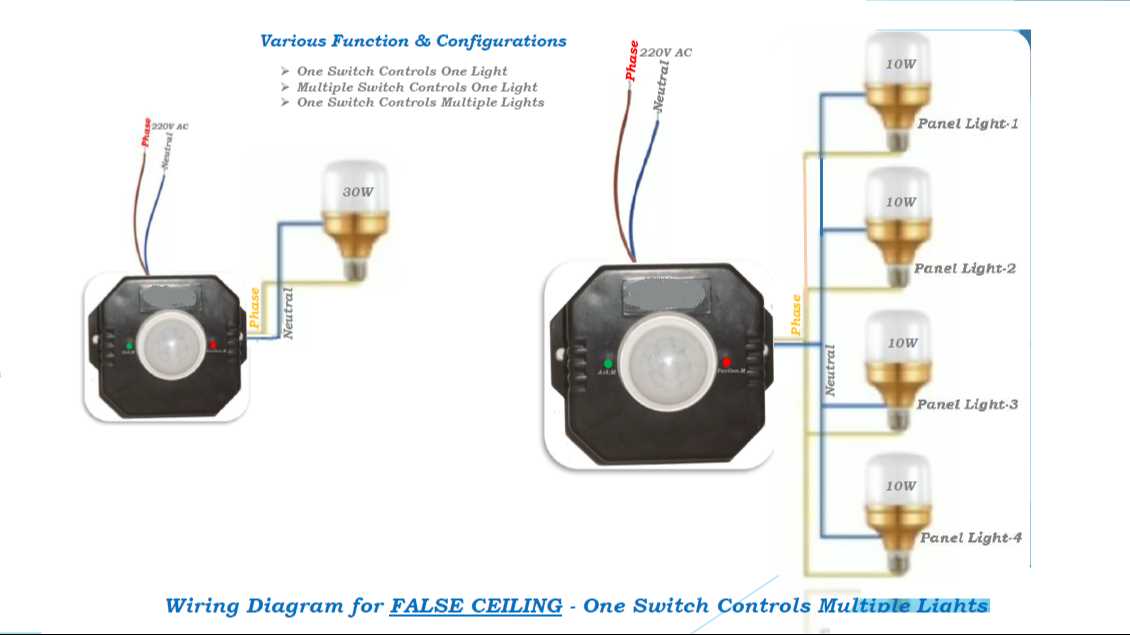
Ensure the main power is switched off before accessing any overhead fixture terminals. Identify the black feed wire for live current and the white wire for return path to avoid short circuits.
Use color-coded connectors for each lead to maintain clarity and prevent misplacement. Red leads typically carry switched current, while blue or yellow indicate secondary circuits or auxiliary controls.
Verify ground connections at the mounting bracket or junction box using a multimeter. Proper grounding reduces risk of electric shock and prevents flickering caused by loose neutral contacts.
Label each terminal immediately upon detachment. Numbered or lettered tags help track the original layout when multiple fixtures share a junction box or feed line.
Test circuit continuity before securing the fixture to the ceiling. Confirm that each connection completes the intended path without cross-contact, ensuring functional operation of switches and dimmers.
Maintain consistent torque when tightening screws on terminals. Over-tightening can damage wires, and under-tightening may cause overheating and intermittent operation.
Document the configuration after installation. Take photos or note wire colors and terminal positions to simplify future upgrades or troubleshooting.
Fixture Connection Guide with Terminal Locations and Color Codes
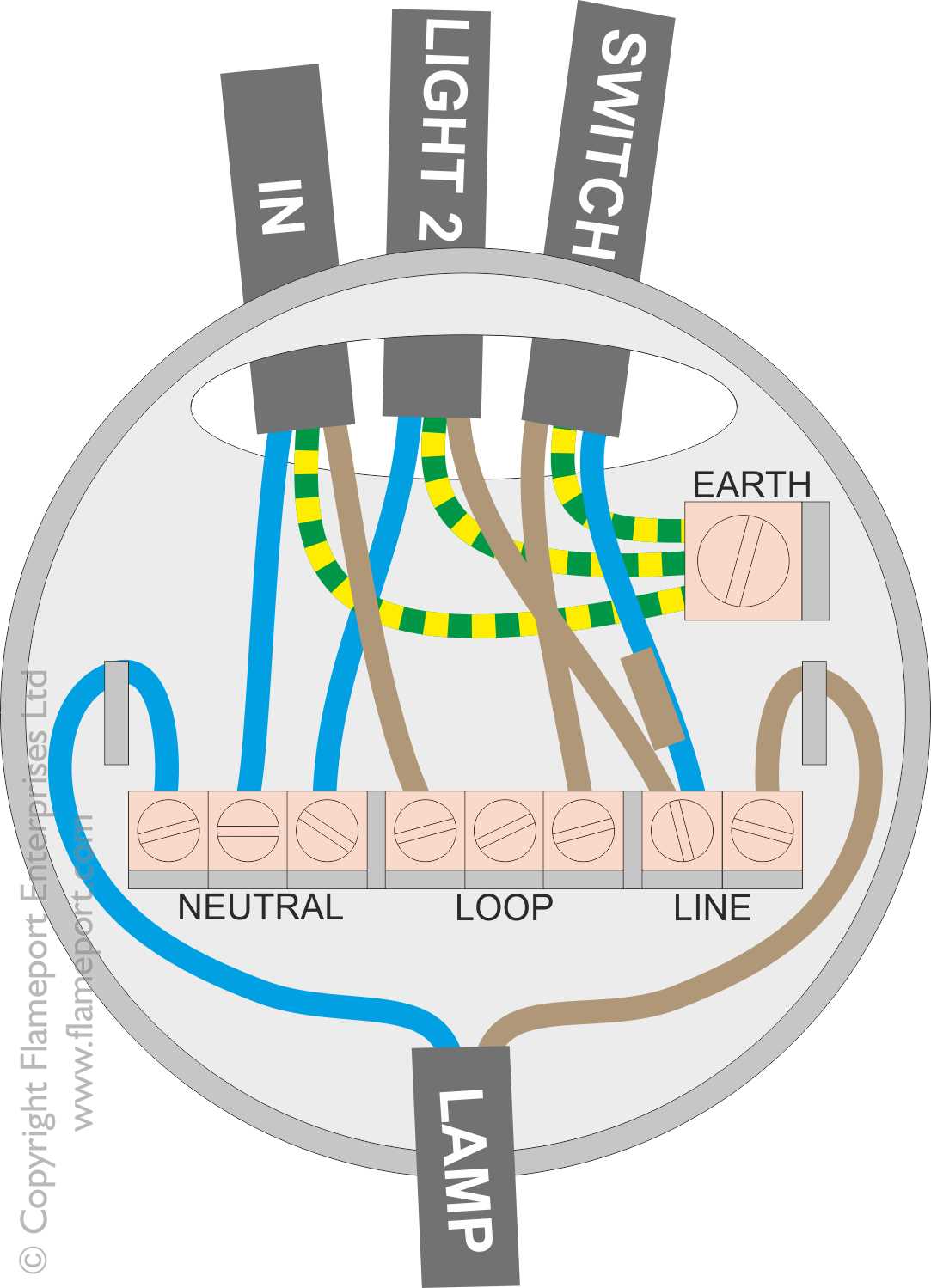
Connect the main feed first by identifying the hot wire and securing it to the terminal marked for live current. Use the neutral wire to the corresponding terminal and ensure the ground wire is attached to the metal frame or designated screw. Color codes typically follow: black for live, white for neutral, and green or bare for ground. Double-check each connection with a voltage tester before proceeding to avoid misfires or shorts.
Arrange secondary circuits by following the manufacturer’s terminal labeling. Auxiliary leads for dimmers or multi-switch setups often use red or blue insulation. Label each wire with its destination and confirm continuity with a multimeter to maintain proper functionality. This method prevents accidental cross-contact and ensures consistent operation when multiple fixtures share a junction box.
Identifying Power and Neutral Leads for Fixtures
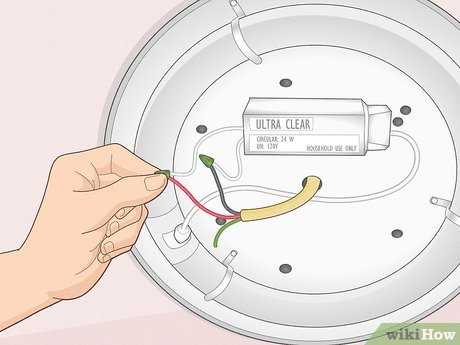
Confirm the live feed by locating the wire supplying current to the fixture. Standard color coding applies: black or red typically indicates the live conductor, while white identifies the return path. Use a voltage tester to verify the active line before making any connections to prevent shocks.
Trace the neutral line back to the junction box to ensure continuity with the main circuit. Neutral conductors are generally white or gray and carry current back to the panel. Double-check each lead with a multimeter to confirm correct polarity and prevent misoperation.
Separate multiple feeds when connecting several fixtures in series or parallel. Label each conductor according to its function and color, and ensure the hot and neutral lines do not cross. Maintaining proper identification reduces the risk of short circuits and allows easier troubleshooting in future maintenance.
Secure all terminals by tightening screws or clamps without damaging insulation. Keep wires organized inside the fixture box to avoid stress on connectors. After connections are made, test the circuit to confirm all fixtures operate correctly before closing the panel or covering the unit.