Confirm the power is off at your HVAC panel before touching any terminals. This prevents shorts and protects the control board from damage.
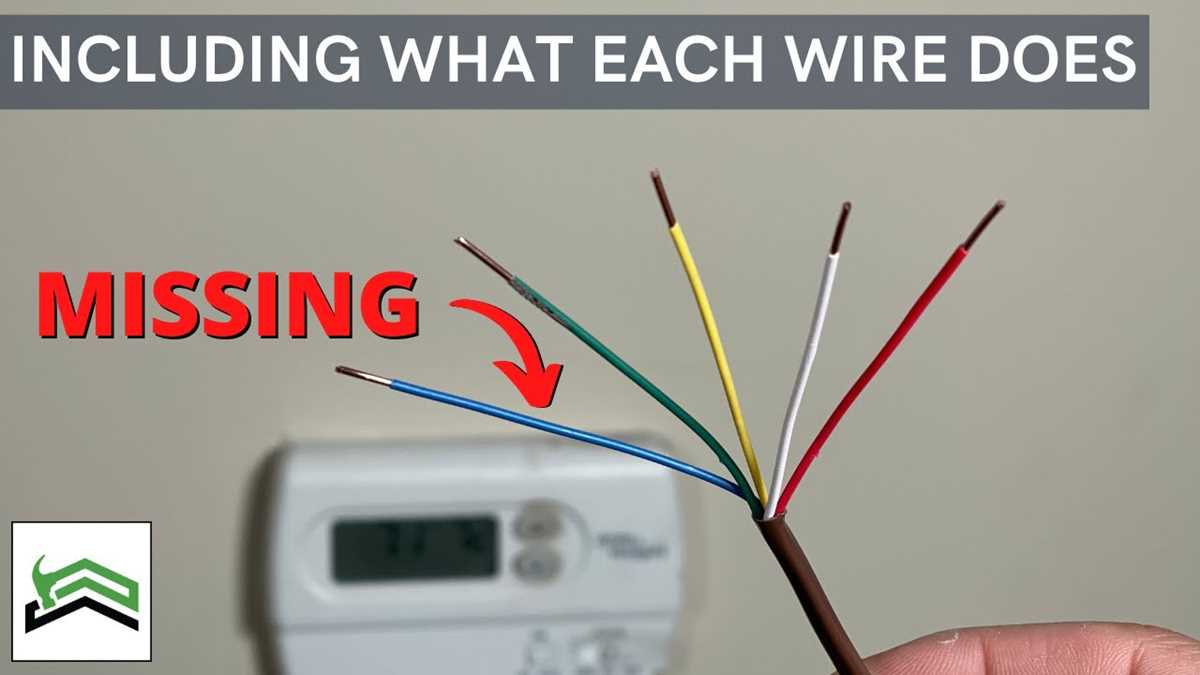
Label each wire using colored tape or markers to match the terminal letters on your control unit. This ensures correct placement and avoids misconnection.
Check compatibility between your thermostat model and the existing heating or cooling system. Look for voltage requirements and C-wire availability to maintain stable operation.
Use the provided reference chart to identify which wire corresponds to heating, cooling, fan, and common connections. This prevents accidental swapping of circuits.
Tighten all connections securely in the terminal block to avoid loose contacts, which can trigger error codes or system malfunctions.
Test the system after installation by running heating and cooling cycles. Monitor for correct response from each function and verify the display shows accurate status.
Thermostat Connection Guide for Home Systems
Switch off the main power at the breaker panel before accessing the control terminals. This prevents short circuits and protects sensitive electronics in your heating and cooling system.
Identify each conductor using colored labels or tags that match the letters on your thermostat base. For example, R for power, W for heat, Y for cooling, and G for the fan. Clear labeling avoids misplacement.
Check the presence of a common wire (C-wire). If your setup lacks a dedicated C-wire, consider using a power extender kit or alternate wiring to maintain continuous display and Wi-Fi operation.
- Connect R to the 24V power terminal.
- Connect W to the heating relay.
- Connect Y to the cooling relay.
- Connect G to the fan relay.
- Connect C to the common terminal if available.
Tighten all screws on the terminal block to ensure solid contact. Loose connections can cause intermittent operation or error codes on the thermostat interface.
After securing all terminals, mount the control unit onto the wall plate. Ensure it sits flush without pinching wires, which could cause damage over time.
Restore power at the breaker and run initial tests for heating, cooling, and fan modes. Confirm each system responds correctly and that the display shows the current mode and temperature accurately.
If any function does not respond, recheck each connection and verify the labels match the control board terminals. Correcting swapped wires typically resolves operational issues.
Identifying Thermostat Conductors and Their Functions
Start by labeling each conductor with its terminal letter using colored tape or markers. R provides 24V power, W activates heating, Y triggers cooling, and G controls the fan motor. Correct identification prevents cross-connections.
Check for a common wire (C) that supplies continuous power to the control unit. Without it, the display may dim or Wi-Fi functions may fail. If absent, a power adapter or alternate method can maintain stable operation.
Color Codes and Typical Assignments
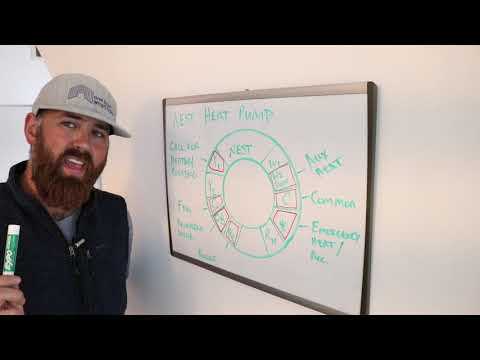
Most systems use standard colors: Red for R, White for W, Yellow for Y, Green for G, and Blue or Black for C. Verify each wire with a multimeter before making connections, as colors can differ in older installations.
Testing and Verification
After labeling and connecting each conductor, perform a functional test by activating heating, cooling, and fan cycles. Confirm the control responds correctly to each input to ensure safe and reliable operation.