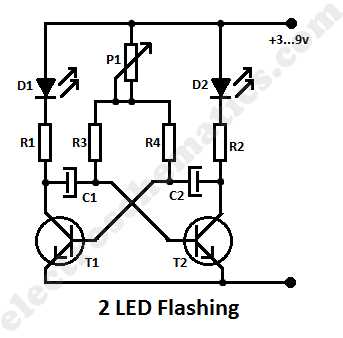
Use a 9V battery with 220Ω resistors for stable operation when connecting two small indicator diodes. This setup prevents overcurrent and ensures the devices light consistently without overheating.
Arrange the diodes in series or parallel depending on your voltage source. In a series connection, total voltage divides across each element, while a parallel layout keeps the same voltage across both but doubles the current requirement. Choose the configuration that matches your power supply rating.
Check polarity before soldering or mounting to avoid reverse flow that can damage the components. The longer leg of each diode should connect to the positive terminal, and the shorter leg to negative. Marking leads with colored tape can simplify assembly and reduce errors.
Measure current and voltage after assembly to confirm the setup is within safe limits. Using a multimeter, verify that each device receives about 20mA if powered by 9V with 220Ω resistors. Adjust resistor values if readings are higher to protect the devices from burnout.
Step by Step Guide to Building a 2 LED Circuit with Wiring and Components
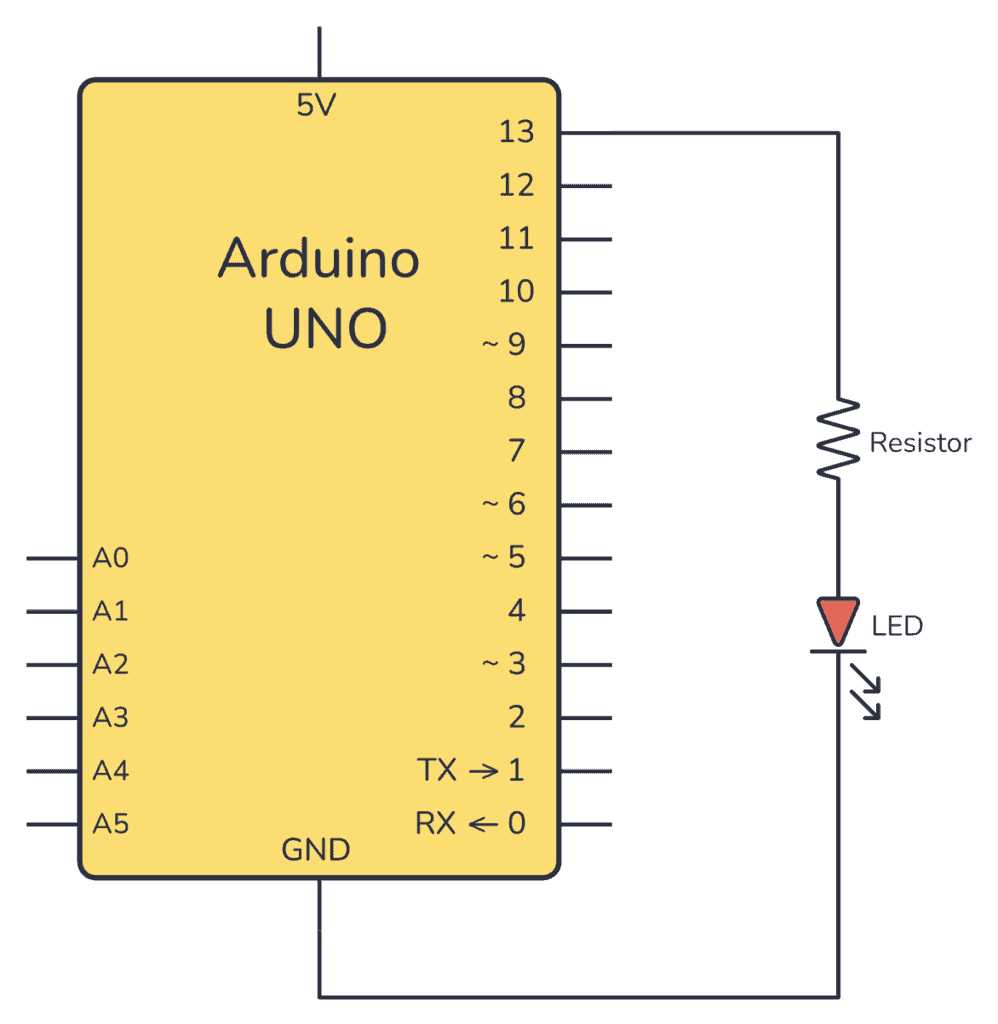
Start by selecting 220Ω resistors and a 9V power source to maintain safe current flow through the small indicator diodes. Connect one resistor to each element if wiring in parallel, or a single resistor before the first device for a series setup. Use a breadboard for initial assembly to test connections before soldering.
Verify each element illuminates correctly by connecting the positive and negative leads carefully, observing polarity. If one component fails to light, check for reversed leads or loose connections. Adjust resistor values slightly if the brightness differs between devices, ensuring even illumination without exceeding 25mA per component.
Choosing Resistors and Power Supply for a 2 LED Circuit
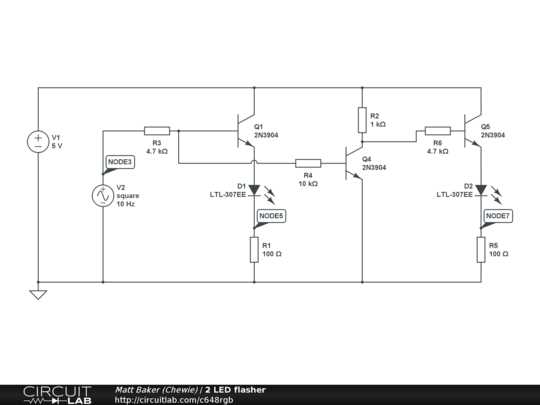
Use 220Ω resistors with a 9V battery to keep each small indicator element within safe current limits. This prevents overheating and ensures stable brightness during operation.
For parallel connections, attach a resistor to each element to control current individually. In series arrangements, a single resistor before the first element can limit overall current, but total resistance may need slight adjustment for uniform illumination.
Follow these resistor selection guidelines:
- Calculate current using Ohm’s law: I = V / R.
- Target 20mA per element for standard brightness.
- Increase resistance slightly if using a higher voltage supply.
- Choose 1/4 watt resistors to handle heat safely.
Select a stable DC source that matches the combined voltage requirements. For two small diodes in series, ensure supply voltage exceeds the forward voltage of both plus the resistor drop. For parallel setups, supply voltage should match the forward voltage of a single element.
Test voltage under load using a multimeter to confirm stability. A fluctuating source can cause uneven brightness or component stress. Batteries typically provide consistent voltage for short-term experiments, while regulated adapters suit longer use.
Consider practical wiring placement:
- Place resistors close to the positive terminal to minimize voltage drop along wires.
- Keep leads short to reduce resistance from connections.
- Use color-coded wires to simplify polarity identification.
Double-check calculations before final assembly to prevent component failure. Measure current with a meter and adjust resistor values if readings exceed 25mA, protecting each element and extending operational life.