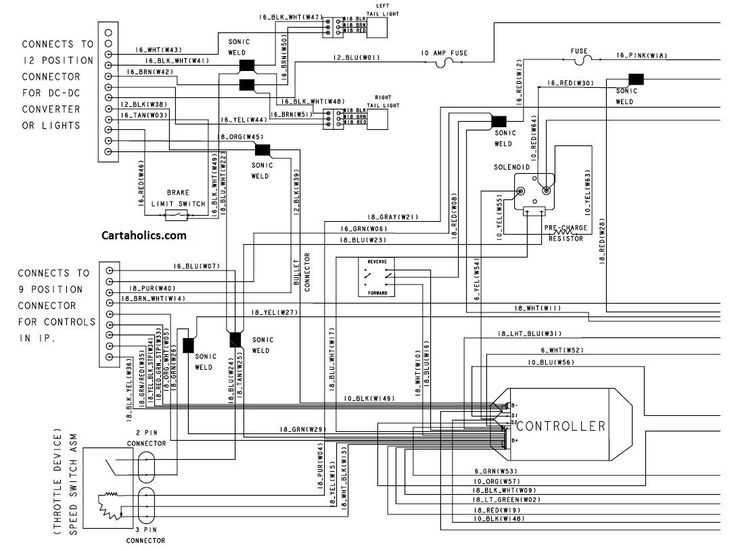
Verify all connectors and terminals before assembly to prevent shorts or intermittent contact. Use a 12-volt tester to ensure each link carries consistent voltage and that grounding points are secure. Loose bolts or corroded terminals can lead to inconsistent engine response or starter failure.
Follow the factory color codes for signal and ignition lines to maintain proper sequencing. Red or yellow leads typically carry ignition voltage, while black or green wires are used for chassis grounding. Misplacing a connection can prevent the engine from starting or cause unexpected sensor readings.
Use heat shrink tubing or insulated clamps at junctions exposed to vibration. This protects against chafing and moisture, reducing the risk of shorts. Torque specifications for battery and solenoid posts should match manufacturer recommendations, usually between 12 and 18 inch-pounds for small fasteners.
Label each line before disassembly if performing maintenance. Numbered tags or colored tape simplifies reinstallation and ensures proper orientation of throttle and ignition circuits. This minimizes troubleshooting time and prevents damage to sensitive modules.
Inspect inline fuses and relays regularly. Fuses often show signs of discoloration when near failure, and relays may click inconsistently under load. Keeping these components in optimal condition avoids mid-operation shutdowns and erratic behavior.
Identifying Key Connectors and Terminals in Gas-Powered Utility Models
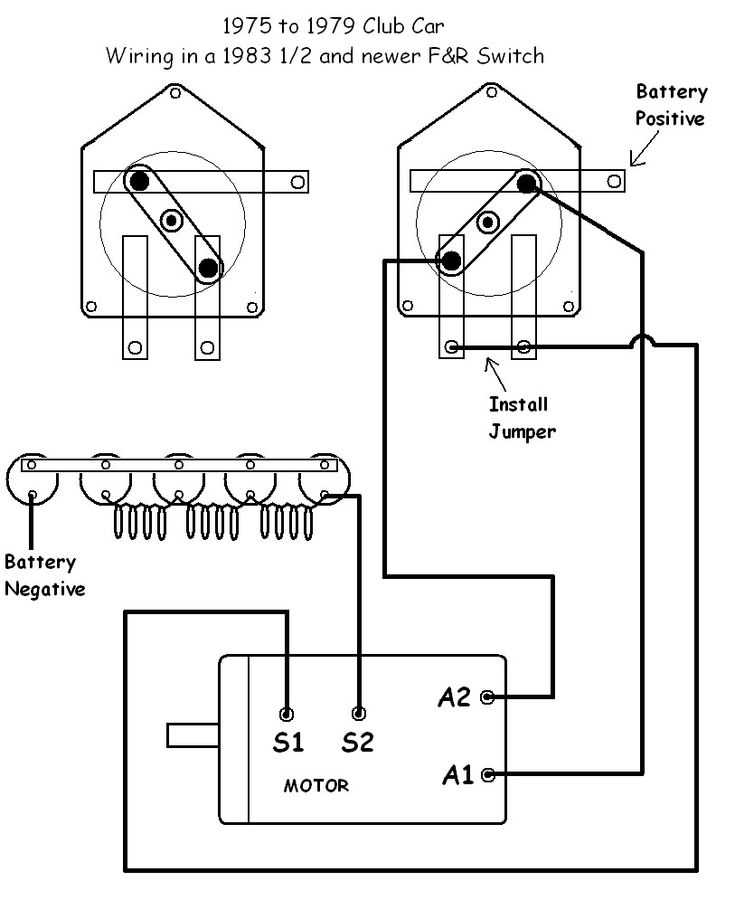
Inspect the ignition and starter terminals first to ensure proper contact and continuity. These posts typically feature thick gauge leads and are often marked with positive and negative indicators. Confirm that connectors are corrosion-free and firmly seated to prevent intermittent engine response.
Throttle and sensor connectors require careful handling. Small pins inside plastic housings can bend or break, leading to faulty signals. Use a multimeter to verify continuity and label each connector before disassembly to maintain correct routing during reassembly.
Chassis grounding points are equally important for stable operation. Check that grounding lugs are tight, clean, and connected to bare metal. Loose or oxidized terminals can produce voltage drops, causing dashboard indicators or ignition modules to behave erratically.
Step-by-Step Component Integration for Gas-Powered Utility Vehicles

Begin with the ignition assembly, connecting the starter relay and ignition switch. Ensure all terminals are clean and snug, and verify that leads are routed away from moving parts to prevent chafing. A loose or misaligned connection here can prevent the engine from starting.
Next, integrate throttle and fuel sensors with the main control harness. Confirm that each connector clicks into place and that pins are straight. Test each sensor for proper voltage response before finalizing attachment, as incorrect readings can result in unstable engine speed.
Finally, secure grounding straps and auxiliary components to the frame. Tighten all bolts to manufacturer torque specifications and check continuity from each negative point to the chassis. Proper grounding ensures stable operation and reduces the risk of intermittent electrical faults affecting lighting and ignition systems.
Common Faults and Troubleshooting Electrical Connections
Check for loose terminals and corroded connectors. A high percentage of starting issues originate from oxidized connections. Use a multimeter to verify continuity and clean any corrosion with a non-abrasive contact cleaner.
Inspect the ignition and relay points for signs of overheating. Burnt or discolored terminals indicate excessive resistance. Replace any damaged components and retest the system for proper voltage flow.
Look for broken or frayed leads along the main harness. Even a single compromised conductor can cause intermittent operation of lights or throttle controls. Use electrical tape or heat-shrink tubing for minor repairs, but replace severely damaged sections.
Test the auxiliary components such as sensors, switches, and solenoids. Measure voltage drop under load conditions to ensure reliable performance. Components that fail under load may appear functional during static testing but can trigger engine or accessory faults.
Verify grounding points along the frame. Loose or corroded ground straps can create erratic signals across multiple subsystems. Tighten all bolts to manufacturer specifications and use a continuity test to confirm each connection.
Perform systematic troubleshooting by isolating individual subsystems one at a time. Document voltage readings and connector conditions to identify patterns of failure. This approach prevents unnecessary replacement of functioning components and ensures precise restoration of full operation.