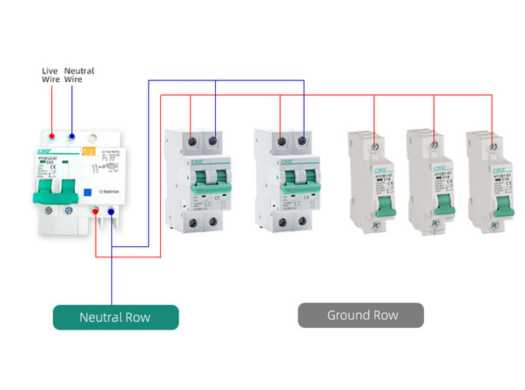
Use a properly rated switch module to protect your household circuits from overloads. A 20-amp single pole unit is suitable for most standard lighting and outlet lines, while larger appliances require double pole models rated at 30 to 50 amps. Always confirm the main panel capacity before installing additional protection modules.
Run cables with the correct gauge according to load requirements. For 20-amp lines, 12 AWG copper conductors are recommended. Appliances consuming higher currents should use 10 AWG or 8 AWG depending on distance from the panel. Minimize voltage drop by avoiding excessively long runs without upsizing conductors.
Secure all terminations with proper torque to prevent heating or arcing. Use labeled connectors and ensure that neutral and ground wires are correctly bonded to their bus bars. Incorrect connections can trip the protection unit prematurely or create fire hazards.
Test each line after installation using a multimeter or test lamp to verify proper continuity and voltage presence. Confirm that the protective module trips at rated overload levels to ensure safe operation. Routine testing improves system reliability and prevents unexpected failures.
Install auxiliary fuses or surge protectors for sensitive electronics connected downstream. Fuses rated slightly above the expected load can provide secondary protection. This setup reduces the risk of damage from transient spikes or minor overloads.
Circuit Breaker Connection Guide with Proper Cable Selection
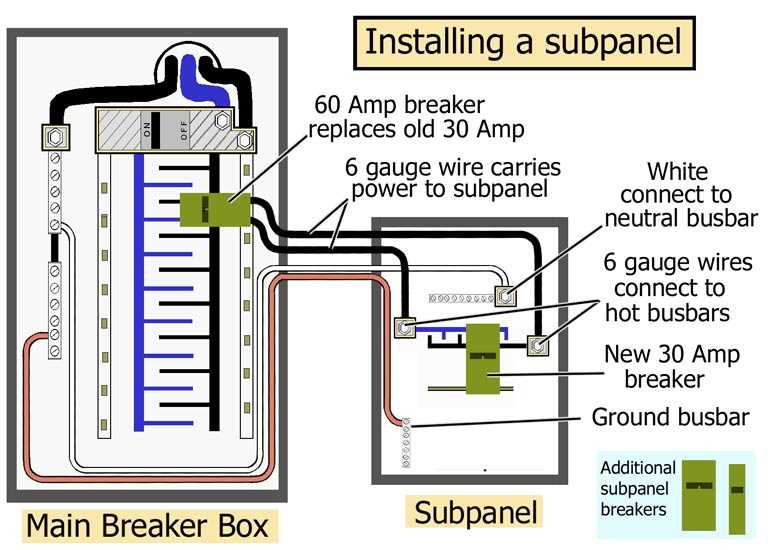
Select a switch unit rated to match the load to prevent overheating and potential hazards. A 15 to 20-amp module suits standard lighting and outlet lines, while high-demand appliances need 30 to 50-amp double pole units. Always check panel capacity before adding new protection units.
Use cables with an appropriate gauge based on current requirements. For 20-amp lines, 12 AWG copper is recommended; 30-amp lines require 10 AWG, and 50-amp setups need 6 or 8 AWG depending on run length. Oversizing cables for long distances minimizes voltage drop and overheating.
Ensure proper connection to bus bars with correct torque settings. Tighten terminals evenly and confirm that neutral and ground wires are secured separately to avoid accidental shorts. Loose connections can lead to intermittent tripping and arcing.
Route conductors carefully to prevent sharp bends or kinks. Avoid placing wires near heat sources or areas where insulation may degrade over time. Maintaining organized runs reduces mechanical stress and simplifies future inspections.
Install fuses or surge protection devices downstream of the switch module for sensitive equipment. Fuses rated slightly above expected current protect electronics against transient spikes. This provides an added layer of protection without interfering with normal operation.
Check each line with a voltage tester or multimeter after connection. Verify proper continuity and ensure the protective unit trips correctly under simulated overloads. Regular testing helps maintain safety and reliability.
Label all terminals and cables to simplify maintenance and troubleshooting. Mark the amperage rating and destination on each conductor. Clear identification reduces the risk of misconnection and speeds up repairs.
Follow local codes and standards when selecting modules and cables. Confirm that insulation types, temperature ratings, and installation methods comply with regulations. Adhering to these standards ensures safety and legal compliance.
Identifying Correct Breaker Type and Rating for Your Panel
Choose a switch model that matches the amperage capacity of your panel. Standard single-pole modules usually cover 15 to 20 amps, while double-pole units handle 30 to 50 amps. Confirm the panel manufacturer’s specifications before installation.
Check the physical form factor of the module to ensure compatibility with your enclosure. Some panels require bolt-on types, while others accept plug-in units. Using an incompatible style can prevent proper seating and increase risk of malfunction.
Match the device’s trip curve to the expected load type. Lighting and general-purpose outlets typically use Type B curves, whereas motors or heavy appliances benefit from Type C or D units that tolerate short-term surges without tripping. Selecting the correct response prevents nuisance trips and protects wiring.
Label the new protection unit with amperage and function immediately after installation. This ensures accurate maintenance records and helps identify proper replacement in the future. Clear labeling also reduces the risk of accidental overloads or misconnection.