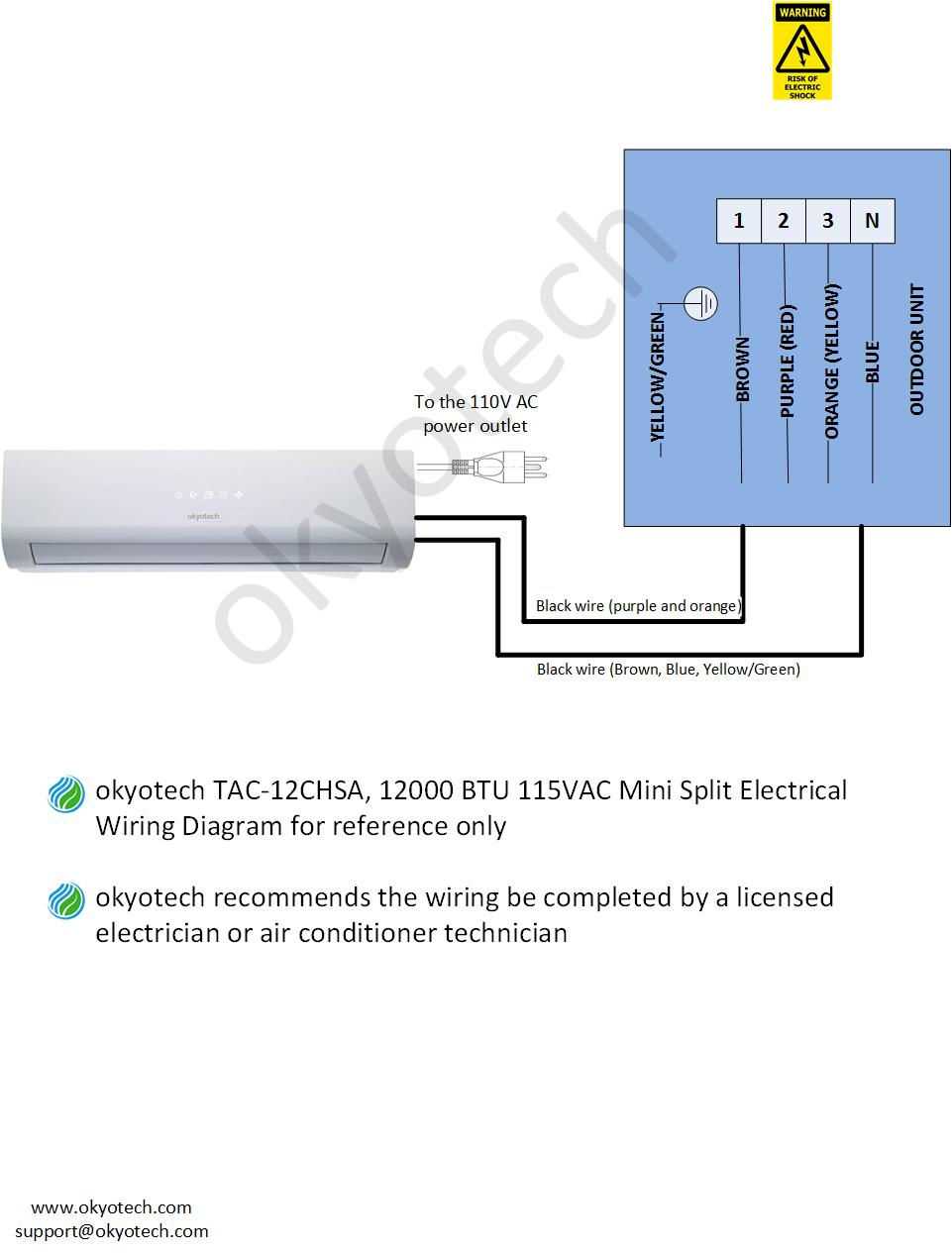
Use a dedicated 240-volt line with a 20-amp breaker to handle the load of the cooling unit. Ensure that the supply cable matches the amperage rating and is rated for continuous operation at high temperatures. Use copper conductors of at least 12 AWG to prevent voltage drop and overheating.
Connect the compressor and fan motor directly to the line terminals and make sure all connections are tight and insulated. Label each wire with function codes to simplify future maintenance and troubleshooting.
Install a disconnect switch near the unit to allow quick power shutoff during service. This switch should match the voltage and current rating of the supply line and be clearly marked.
Include a properly rated fuse or breaker for each circuit branch. Overcurrent protection devices must align with the manufacturer’s specifications to prevent damage to the internal components of the cooling system.
Route the supply line away from heat sources and sharp edges. Use protective conduits and strain relief clamps to avoid mechanical damage over time. Secure cables at regular intervals to maintain a neat and safe installation.
Verify continuity and polarity before energizing the system. Use a multimeter to ensure each connection is correct, minimizing the risk of short circuits or reverse rotation of motors.
Air Conditioner Electrical Connection Guide
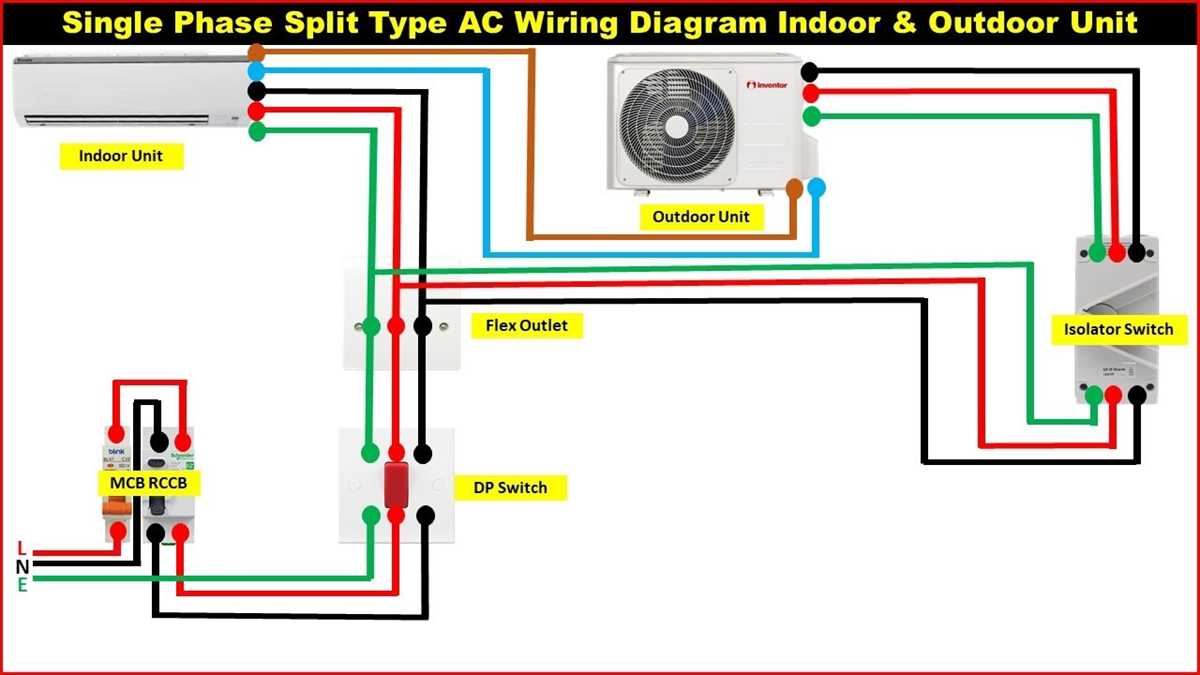
Use a dedicated 240-volt line with a properly rated breaker to supply the unit. Ensure the conductors are copper with at least 12 AWG and rated for continuous current at elevated temperatures. Check that the insulation is intact and free of nicks before making connections.
Connect the compressor and fan motor directly to the supply terminals and tighten each screw to the manufacturer’s torque specifications. Label each line to distinguish live, neutral, and ground, preventing mistakes during maintenance.
Install a disconnect switch near the appliance to allow rapid power shutoff. Choose a switch rated for 240 volts and 20 amps, and position it for easy access while maintaining proper clearance from combustible surfaces.
Test the continuity and polarity of all connections before energizing the system. Use a multimeter to confirm that each conductor is correctly routed, and inspect for loose strands or exposed metal that could cause shorts or motor rotation issues.
Choosing Proper Cables and Circuit Breakers
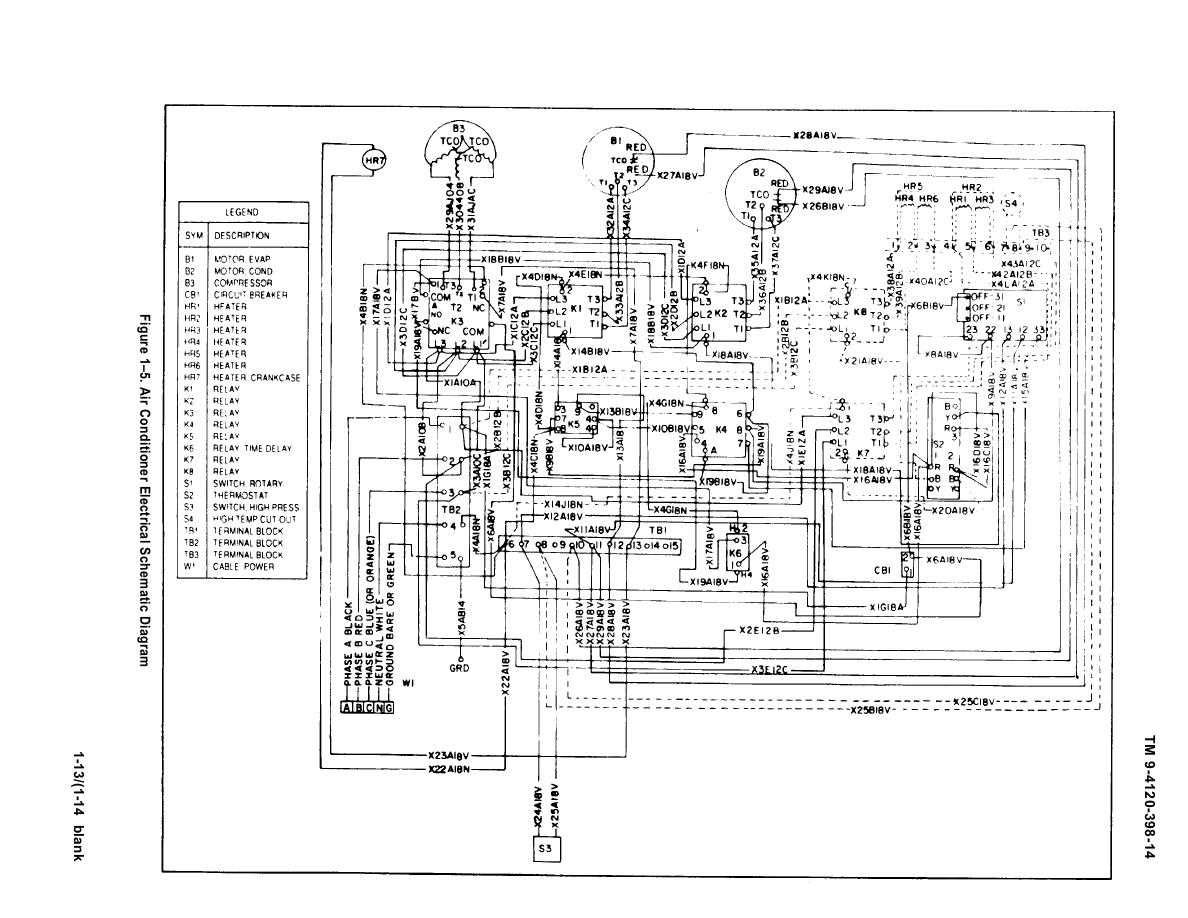
Select copper conductors rated for at least 20 amps when connecting the unit. Insulation should handle continuous current at elevated temperatures to prevent degradation over time.
Use a dedicated double-pole breaker matched to the current draw of the system. Check the manufacturer’s specifications for both startup surge and running amperage to prevent nuisance trips or overloads.
Consider the cable length and voltage drop when sizing conductors. For runs longer than 50 feet, increase the gauge by one size to maintain full performance and avoid overheating.
Install a breaker with built-in arc fault protection if local codes require it. Label the breaker clearly and ensure it is easily accessible for maintenance or emergency shutdown.
Use color-coded insulation to distinguish line, neutral, and ground. Verify continuity and polarity with a multimeter before energizing the system to reduce risk of short circuits or motor rotation errors.
Secure all connections with proper torque and avoid over-tightening, which can damage terminals. Inspect periodically for corrosion, loose strands, or heat damage to maintain reliable operation over the appliance’s lifetime.