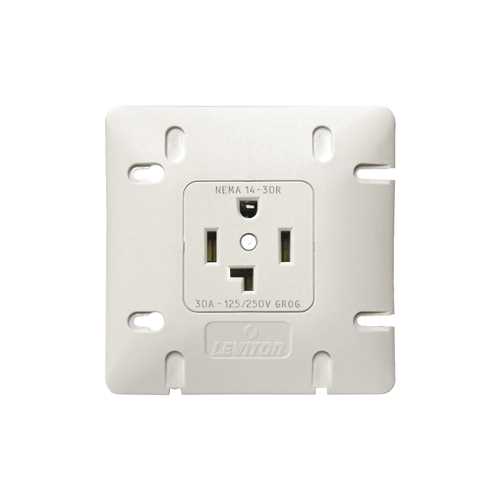
Use a 10 AWG copper cable with a 30 amp double-pole breaker to handle typical household high-power laundry machines. Ensure the cable length does not exceed 25 feet to prevent voltage drop and maintain appliance performance.
Connect the hot lines to the two poles of the breaker and the neutral to the center terminal of a 4-prong receptacle. Attach the grounding wire to the designated green screw to prevent electrical hazards.
Verify the orientation of terminals before securing connections. Loose or reversed connections can cause overheating, tripping of the breaker, or damage to the appliance motor.
Use a voltage tester to confirm that each terminal carries the correct potential before plugging in the appliance. This ensures the system is energized safely and prevents accidental short circuits.
Label the circuit clearly in the panel to identify the appliance connection. Proper labeling assists in future maintenance and reduces the risk of connecting incompatible devices to the same line.
240 Volt Dryer Outlet Wiring Guide
Use a 10 AWG copper cable connected to a 30 amp double-pole breaker to supply power. Ensure the cable is rated for 600 V and the insulation is intact to handle high current safely over typical household distances up to 25 feet.
Attach hot conductors to the breaker terminals and route the neutral wire to the center terminal of a 4-prong receptacle. Connect the ground wire to the green screw to establish proper earth grounding and reduce the risk of electric shock.
Maintain correct terminal orientation when securing wires. Incorrect connections can cause overheating, breaker trips, or damage to internal components of the appliance motor.
Install a surface-mounted or flush box that accommodates the receptacle without bending or compressing the cable. The enclosure must allow easy access for inspection and prevent strain on connections.
- Use wire nuts or crimp connectors rated for 30 amps for all splices.
- Keep conductors straight and separated to reduce the chance of short circuits.
- Ensure all screws are tightened to manufacturer torque specifications.
Test each terminal with a multimeter to confirm proper voltage before plugging in the appliance. Measure between hot terminals and between each hot and neutral to verify 240 V operation and correct polarity.
Grounding and Safety Checks
Check that the ground path is continuous and connected to the main panel. Run a continuity test between the receptacle ground and panel ground to prevent shock hazards during appliance operation.
Final Verification
Label the breaker in the service panel to indicate the specific appliance connection. Confirm that the installation meets local electrical codes and that all fasteners, connectors, and enclosures are secure before energizing the line.
Choosing Proper Cable and Circuit Breaker for Dryer Connection
Use a 10 AWG copper conductor rated at 600 V to handle 30 amp loads safely. Ensure the insulation is intact and free from cuts, as any compromise can lead to overheating or electrical faults.
Select a double-pole breaker with 30 amp rating to match the cable capacity and prevent tripping under normal operation. Verify the breaker is compatible with the panel type and installation standards.
Keep the cable length under 25 feet to minimize voltage drop and maintain full appliance performance. Longer runs require increasing conductor size or adding a separate subpanel to maintain voltage stability.
Use stranded or solid conductors according to installation method. Stranded wire allows easier bending for surface runs, while solid wire provides better stability in conduit installations.
Inspect all connections and ensure the breaker terminals are tightened to manufacturer specifications. Loose connections can create arcing, heat buildup, and premature breaker failure.
Label the breaker clearly in the service panel and verify compliance with local electrical codes. Proper labeling and adherence to code reduce risk of overload and make future maintenance safer and more straightforward.