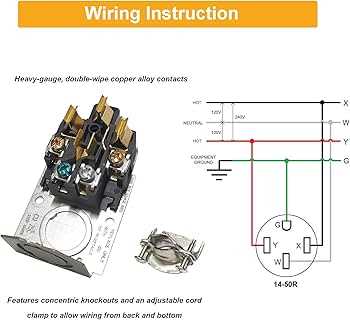
Ensure the correct identification of each conductor before making any connections. The neutral line must connect to the designated center terminal, while the two hot leads attach to opposite sides of the terminal block. The ground wire should be securely fastened to the frame of the appliance to prevent shock hazards.
Use a calibrated tester to verify voltage presence at each connection point. For 240V models, confirm that each hot lead delivers approximately 120V relative to neutral. This ensures balanced power distribution and prevents overheating of the internal elements.
Choose high-quality, heat-resistant connectors to maintain a stable mechanical and electrical bond. Avoid using old or corroded terminals, as they can introduce resistance and lead to localized heating or failure under load.
Route conductors to avoid sharp bends or pinching. Maintain at least a 2-inch separation from any metal edges, and secure the cable using proper clamps. This reduces wear and extends the service life of the cord assembly.
Final verification should include both continuity and polarity checks. Confirm that the ground connection is continuous to the frame, and that the neutral and hot leads correspond to their correct positions. Only after these tests should the appliance be powered for initial operation.
4 Terminal Range Cord Connection Guide

Start by identifying each conductor clearly: two hot lines, one neutral, and a dedicated ground. Connect the neutral to the center terminal, ensuring a snug fit under the screw to avoid arcing. This configuration balances the load and prevents overheating of the heating elements.
Attach the hot leads to opposite outer terminals. Verify that each lead delivers approximately 120V relative to neutral using a voltage tester. Correct placement ensures equal power distribution across the heating elements.
Secure the ground conductor directly to the appliance frame. This provides a safe path for fault currents and protects against electric shock. Use a star washer or dedicated ground screw for reliable contact.
Arrange all conductors to prevent stress or pinching. Use insulated clamps and maintain at least a 2-inch clearance from sharp metal edges. Proper routing reduces wear on insulation and avoids potential short circuits.
Conduct a final inspection before energizing the appliance. Check that all screws are tightened, polarity is correct, and continuity is verified between ground and frame. Only after confirming these points should the appliance be powered for initial testing to ensure safe operation.
Identifying Each Conductor and Its Function
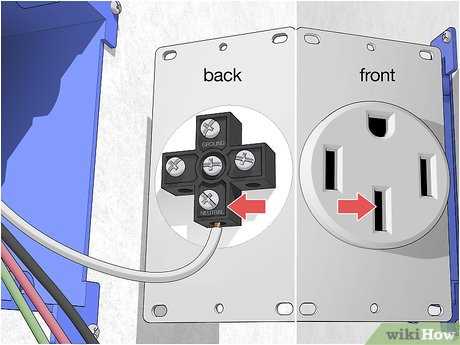
Begin by labeling each line accurately. Two conductors carry 120V each and are typically marked black and red. These deliver power to the heating circuits and must be connected to the corresponding terminals on the appliance to ensure balanced operation and prevent overloading.
The neutral conductor, usually white, completes the circuit by allowing current to return safely to the panel. The green or bare copper ground provides protection by redirecting fault current to the frame. Correct identification and secure attachment of these conductors is critical for safe and reliable performance.