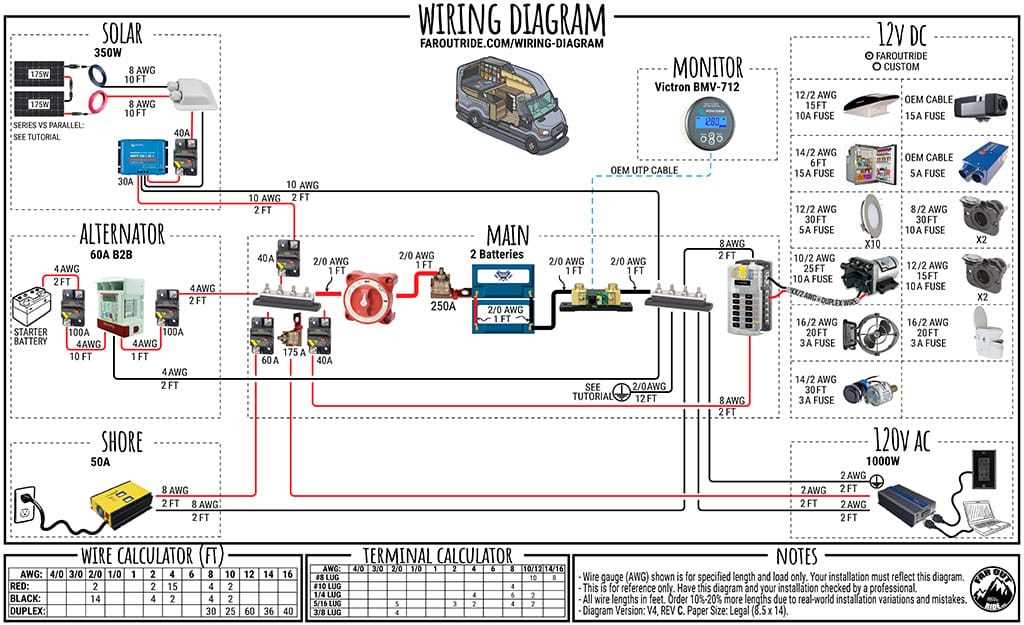
To safely connect your RV to the electrical supply, ensure the power cord is properly configured to handle the required voltage. Begin by matching the correct size of the cable to the power demand of your vehicle. The right setup will guarantee a safe, continuous power supply while avoiding overheating or equipment damage.
Start by carefully identifying the three wires in your cable: the hot, neutral, and ground. Each wire must be connected to its respective terminal on the receptacle. A correct connection ensures proper power flow and prevents any potential hazards such as electrical shocks or short circuits.
Verify that all connections are tight and secure, as loose wiring can lead to power loss or even cause fire hazards. Always use a multimeter to check voltage and continuity before finalizing the installation. Testing each connection after installation will help detect any issues early.
RV 30 Amp Electrical Connection Setup
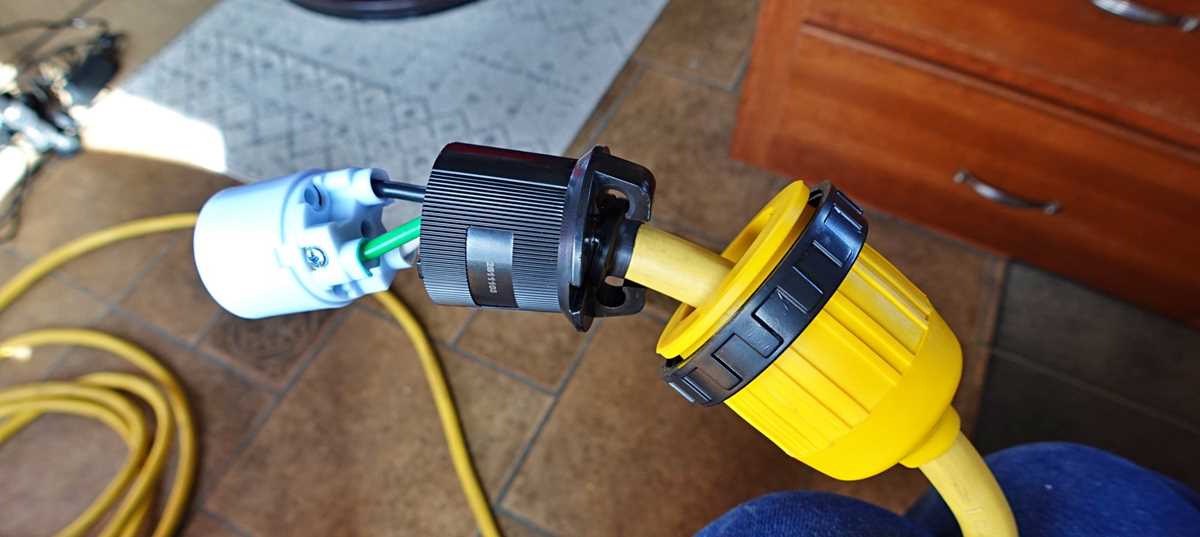
Ensure the power supply is configured correctly before connecting your RV. A dedicated 30-amp system requires a compatible connection to handle the full load safely. Begin by confirming that the power source has the correct voltage and current rating for your vehicle’s needs.
Inspect the connections for any signs of wear or damage. Over time, electrical connections can degrade, leading to poor performance or unsafe conditions. If you notice frayed wires or damaged insulation, replace those parts before proceeding.
Understanding the Three Main Wires
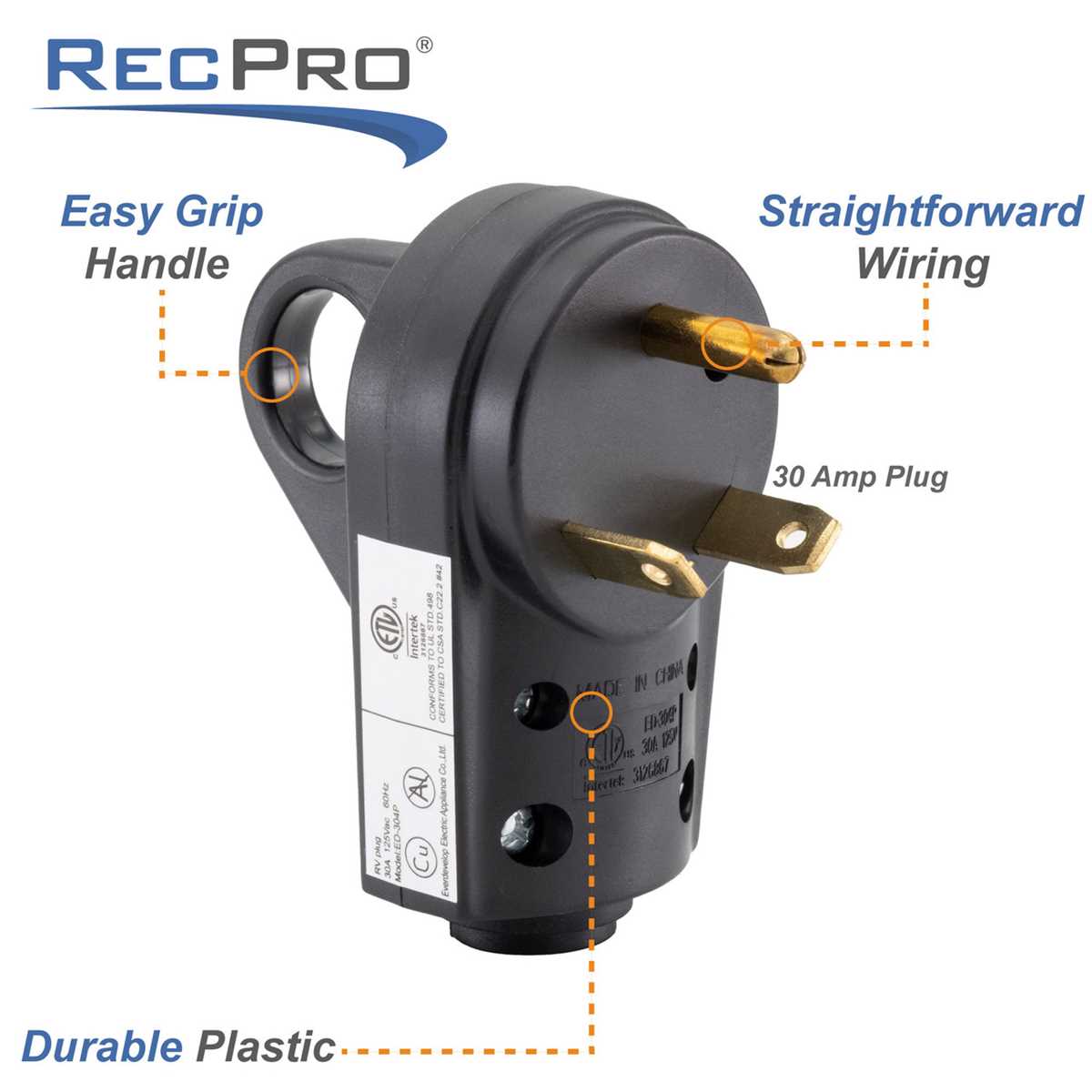
In this setup, you’ll be dealing with three essential wires: one hot, one neutral, and one ground. The hot wire carries the current to the RV, while the neutral wire completes the circuit. The ground wire is a safety measure, redirecting any potential fault current away from the vehicle and into the earth.
Double-check each wire’s placement to ensure the hot wire connects to the correct terminal, the neutral to its designated port, and the ground wire to the safety terminal. A reversed connection could cause serious issues, including electric shock or equipment damage.
Step-by-Step Connection Process
- Start by disconnecting the power at the source to avoid any electrical accidents.
- Secure the hot wire to the terminal that is typically marked with a brass color or labeled for the live connection.
- Attach the neutral wire to the silver terminal, which completes the return path.
- Finally, connect the ground wire to the green terminal, ensuring it’s securely tightened.
Once the wires are attached, tighten all terminals to ensure there’s no risk of loose connections, which could lead to sparking or overheating. Use a torque wrench if available to avoid over-tightening, which could damage the terminals or wires.
After installation, test the connection using a voltage tester to ensure that everything is wired properly. Check for a stable current, and make sure there’s no fluctuation that could affect your RV’s electrical systems. Once confirmed, the system is ready for use, providing reliable power to your RV.
Lastly, keep safety in mind. Always use a proper circuit breaker rated for 30 amps in your setup to prevent electrical overloads. This safeguard will automatically disconnect power in case of an emergency, such as a short circuit or power surge, helping to prevent damage to both your vehicle and the electrical system.
Step-by-Step Guide to Wiring a 30 Amp RV Plug
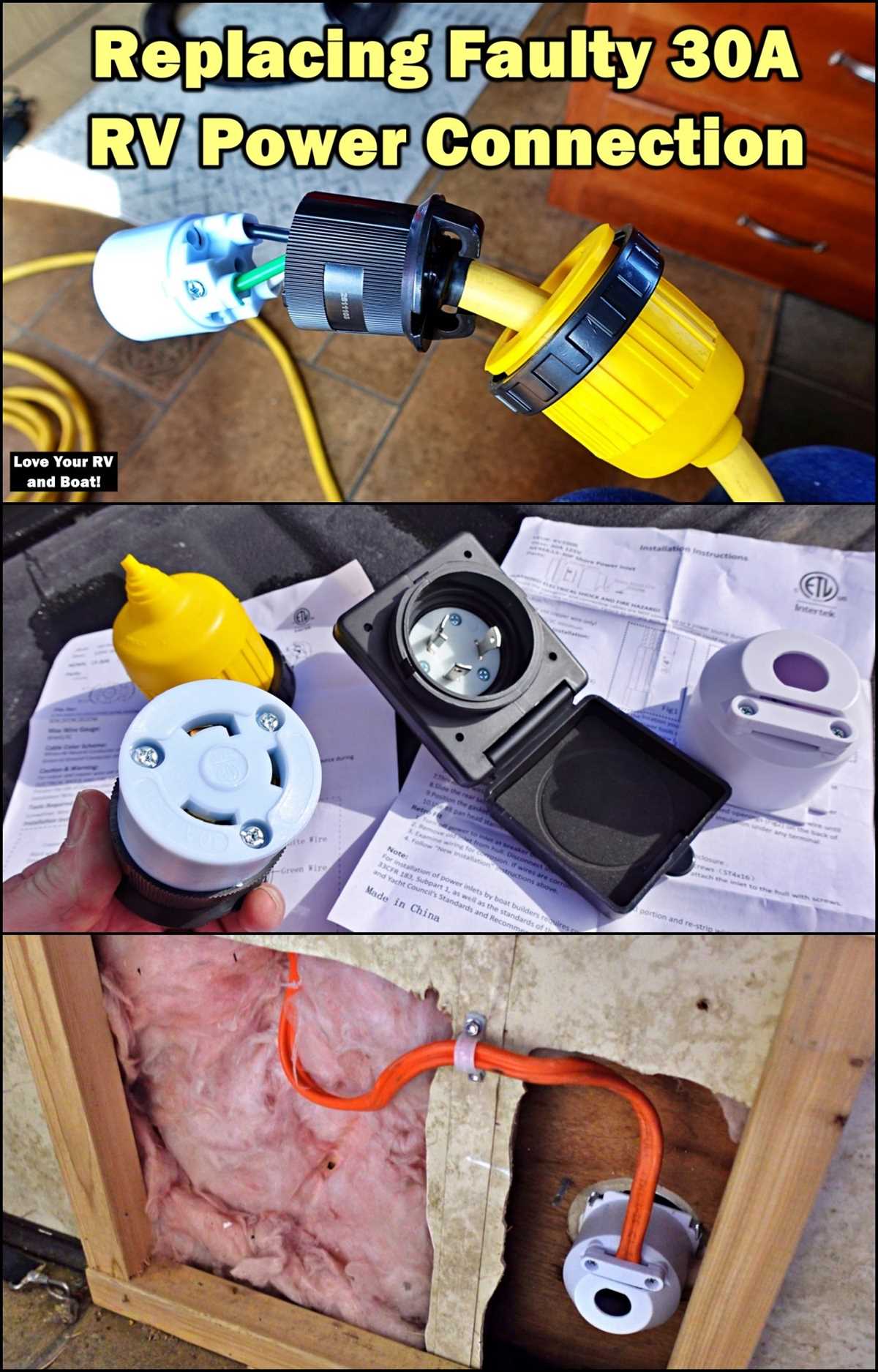
Before starting, disconnect the power source to avoid any risk of electrical shock. Ensure the power supply is off and confirm using a voltage tester.
Begin by stripping the insulation from the end of the wires. Use wire strippers to expose enough copper for a secure connection, but avoid cutting the wire too short.
Next, identify the three wires: the hot wire, the neutral wire, and the ground wire. The hot wire is typically black or red, the neutral is white, and the ground wire is green or bare copper.
Attach the hot wire to the terminal that is marked for the live connection. This terminal is usually brass or copper in color. Tighten the screw securely to hold the wire in place.
Next, connect the neutral wire to the silver-colored terminal. This completes the circuit and allows the current to return to the power source. Ensure the wire is tightly secured and there is no loose connection.
The final step is to connect the ground wire to the green terminal. This wire provides safety by directing any potential faults to the ground, preventing electrical hazards. Ensure a tight and clean connection to avoid any issues during use.
After all the wires are connected, inspect your work to make sure there are no loose strands or exposed copper that could cause shorts. Tighten all screws properly and double-check the connections.
Once everything is secure, use a multimeter to test the connection before plugging in your RV. Confirm that all terminals are receiving the correct voltage and that the system is functioning properly.