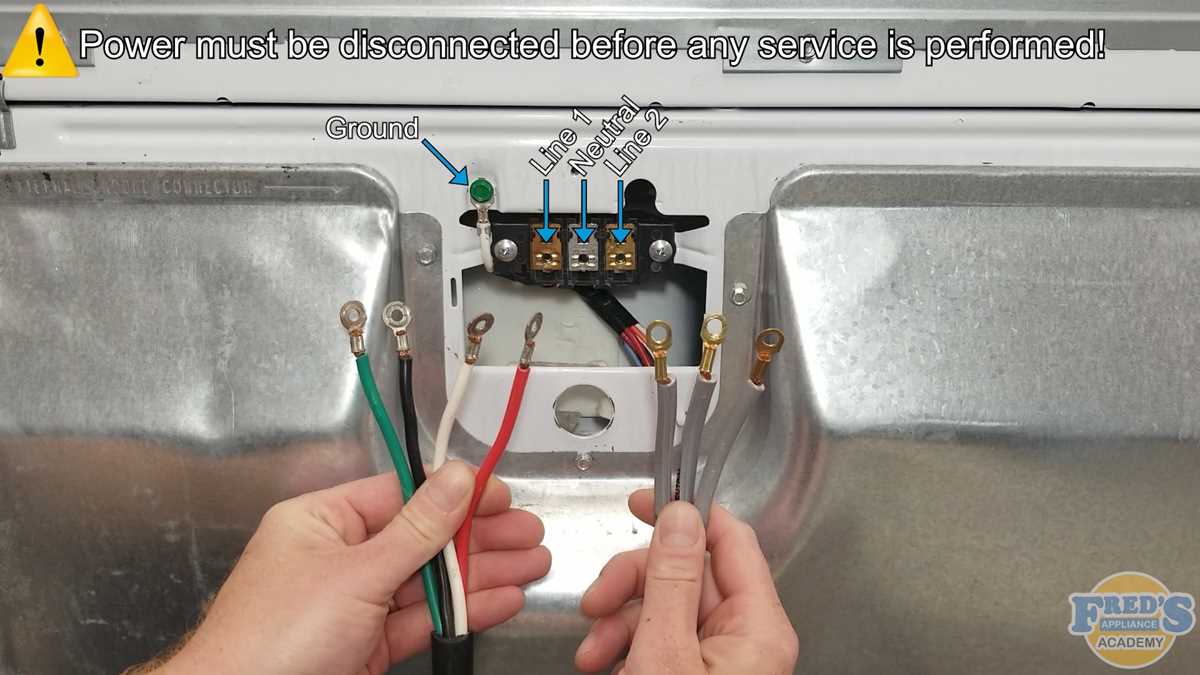
Use a dedicated 240-volt outlet with clear identification of each terminal. Connect the neutral lead to the center slot and ensure the two hot lines attach firmly to their respective terminals. This prevents overheating and reduces the risk of electrical faults.
Double-check the grounding method. In older setups, the ground is bonded to the neutral terminal, while in modern receptacles, a separate grounding wire may be required. Inspect the panel for compatibility before making any adjustments.
Confirm conductor sizes match amperage requirements. Typically, 10-gauge wire is recommended for 30-amp circuits. Improper gauge selection can cause excessive heat and pose a fire hazard. Tighten each screw securely, avoiding over-torquing, which can damage connectors.
Label each cable clearly. Use tags or colored heat-shrink tubing to mark the hot lines and neutral. This prevents accidental cross-connections in future maintenance and simplifies troubleshooting if power issues occur.
Test the connection with a voltage meter before powering the appliance. Measure across each hot line and from hot to neutral to ensure correct voltage. A precise check ensures the system operates safely and efficiently without risking component damage.
3 Prong Dryer Cord Wiring Diagram
Connect the two hot terminals of the appliance to the outer connectors of the plug, ensuring each line receives 120 volts from opposite phases. Use firm pressure to secure the screws, preventing loose contact that can cause overheating.
Attach the neutral wire to the center lug. Make certain it is stripped just enough to fit under the terminal plate without excess exposed conductor, which could create a short circuit.
Inspect the cord for any nicks or abrasions before insertion. Damaged insulation compromises safety and may trigger electrical faults. Replace the cable if any flaws are found.
Route the cable through the strain relief clamp in the back panel. Tighten the clamp to hold the cord securely, avoiding stress on the connection points while the appliance is moved or in use.
Verify that the plug matches the outlet configuration. The two outer blades must align with the power source, and the center connector must fit snugly into the neutral slot. Misalignment can cause sparking or damage.
After securing all terminals, gently tug on each wire to confirm stability. No wire should pull free or wiggle under moderate force. Loose connections are a common cause of electrical fires.
Check for proper grounding through the metal frame of the appliance. Even without a dedicated ground wire in the cord, the mounting screws should provide continuity between the chassis and the neutral path.
Once installed, test the unit by running a short cycle. Monitor the plug and back panel for heat buildup or unusual sounds. Any irregularity requires immediate inspection before continued use.
Identifying Each Wire on a 3-Prong Dryer Cord
Connect the neutral conductor to the center terminal marked for common return. This wire is typically white and carries the return path for electricity. Ensure the metal connector is fully seated under the screw and tightened securely to prevent arcing.
The hot leads are usually black and red, each attaching to one of the two outer terminals. These wires supply 120 volts each, combining to deliver 240 volts across the appliance. Confirm each terminal matches the correct wire color before tightening to avoid short circuits.
Inspect the grounding strap if present; some setups use a green or bare wire connecting the frame to the neutral. This wire provides a safe path for stray current, reducing the risk of electric shock. Replace any frayed or corroded straps immediately to maintain safety compliance.
After all connections are made, gently tug each wire to verify it is secure. Misaligned terminals or loose screws can cause overheating or appliance failure. Labeling each lead before reconnection can prevent confusion during future maintenance or upgrades.