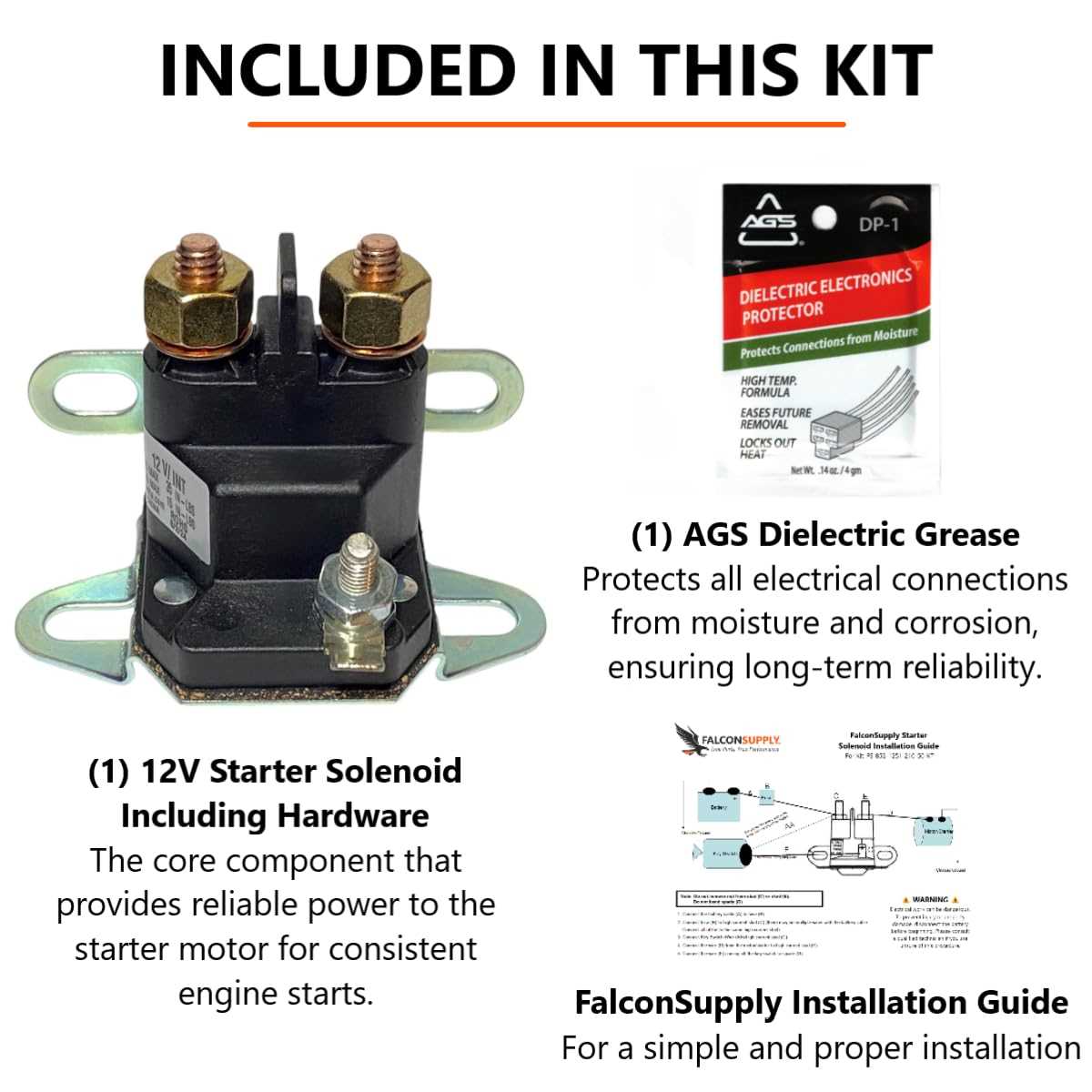
Start by ensuring the positive cable is properly connected to the main power terminal. Use a high-quality, insulated connector to ensure a stable connection. The negative cable should be connected to a clean, unpainted metal surface on the frame to ground the system and prevent electrical issues.
It is also crucial to check the ignition switch wiring to confirm that the circuit is intact. If there is any issue with the ignition, it will prevent the engine from starting properly. Test the continuity of all wiring between the switch and the power system to confirm everything is in place.
After the wiring is complete, check all connections to ensure they are secure and free from corrosion. Use a multimeter to check for voltage at different points in the system to verify the proper functioning of the electrical components.
Starter Solenoid Wiring Guide for Lawn Mowers
Begin by connecting the main power cable to the large terminal on the solenoid. Ensure the connection is tight to avoid power loss. The second wire, typically a smaller gauge, should be attached to the smaller terminal and linked to the ignition switch to activate the solenoid. Use high-quality, insulated connectors to prevent any short circuits.
Once the connections are secure, check the grounding. Ensure the ground wire is properly connected to a clean, metal surface on the engine or chassis. This ensures proper operation of the entire electrical system. After wiring, test the system with a multimeter to confirm proper voltage flow when the ignition is turned on.
Step-by-Step Process to Connect the Starter Solenoid
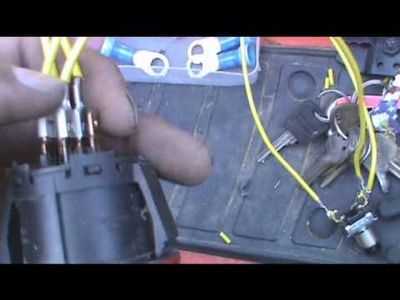
First, locate the main power input terminal on the solenoid. This terminal is generally the larger one, which connects directly to the battery. Use a heavy-duty cable to connect this terminal to the positive terminal of the battery. Ensure that the connection is secure and insulated to avoid any shorts or power loss.
Next, connect the smaller terminal to the ignition switch. This wire allows the solenoid to be activated when the key is turned to the start position. A standard automotive wire is typically sufficient for this connection. It’s important to verify that the wire is firmly attached to the ignition terminal on the solenoid.
The third step involves connecting the ground wire. This wire must be securely connected to a clean, bare metal surface on the engine block or chassis. A solid ground connection is crucial for the proper operation of the solenoid and to complete the electrical circuit.
Securing the Connections
After all wires are connected, double-check each connection for tightness. Loose connections can lead to poor starting performance or even prevent the engine from starting. Use crimping tools to ensure that connectors are properly secured, and consider using electrical tape to provide additional insulation and protection against corrosion.
Testing the System
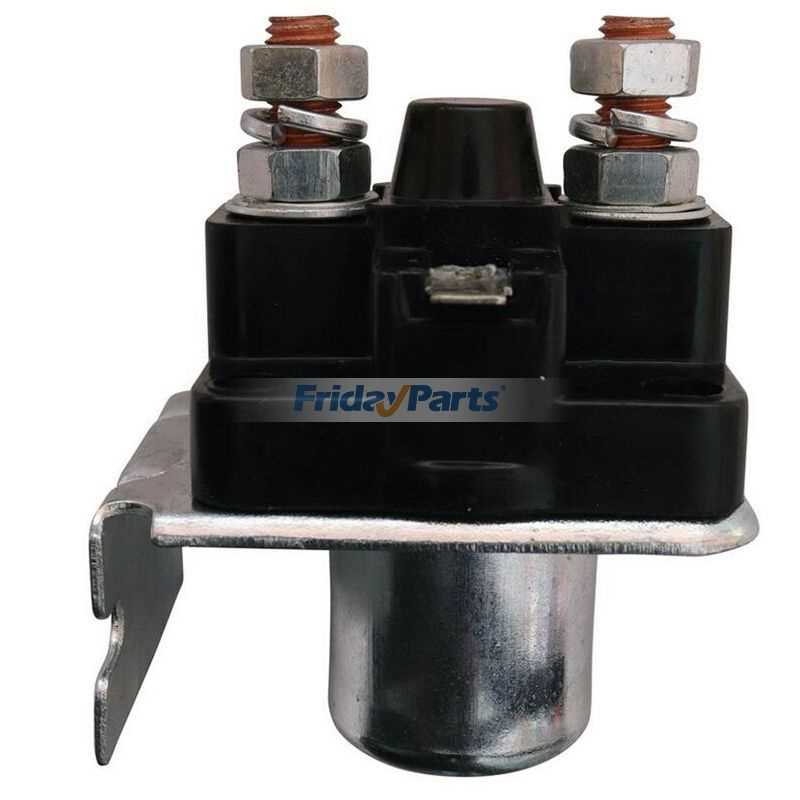
Once everything is connected, test the system by turning the ignition key. Use a multimeter to verify that the voltage is properly flowing through the system. Check the solenoid’s operation to ensure that it engages and disengages correctly when the key is turned. If any issues arise, revisit the connections and ensure they are all properly wired and secure.