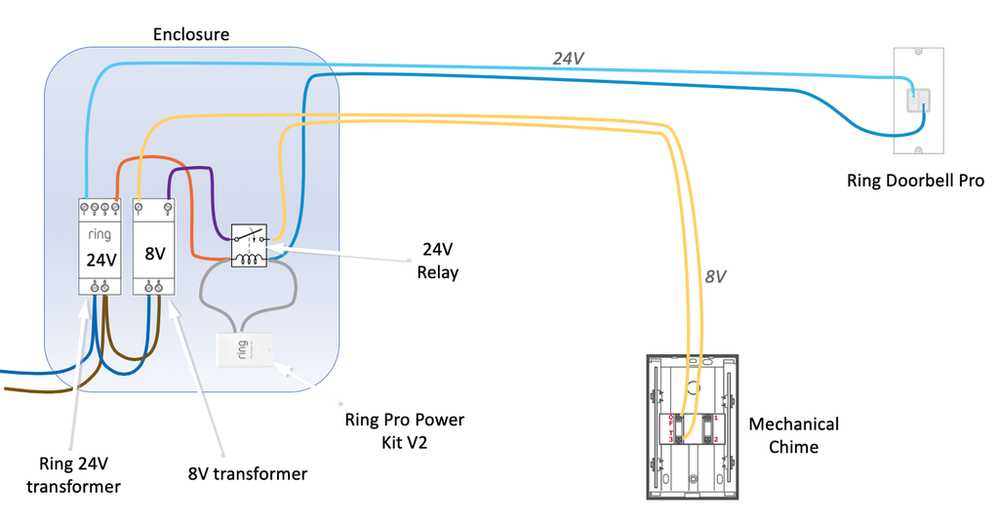
Connect the control coil directly to the power source using the correct polarity to avoid overheating or damage. Use wire rated for at least 2mm² cross-section for stable current flow and minimal voltage drop over distances up to 5 meters.
Identify all contact points before linking to the load circuit. Normally open and normally closed terminals must be matched to the intended function, such as activating motors or lights, to prevent short circuits or unintended operation.
Secure all fasteners and connectors to reduce electrical resistance and vibration issues. Employ insulated crimp terminals and, where possible, apply thread-locking compounds to screws that hold the contacts to maintain long-term reliability.
Verify continuity and polarity with a multimeter after completing connections. Testing ensures that the switching device operates under load without unexpected tripping or voltage spikes, reducing the risk of component failure.
Maintain proper spacing between control and load wiring to minimize electromagnetic interference. Routing conductors separately and using twisted pairs for the coil can improve signal stability and reduce unwanted noise in sensitive circuits.
Complete Guide to Connecting a 24v Electromagnetic Switch with Connection Details and Tips
Always power down the circuit before attaching the control coil. Connect the positive and negative leads to the designated terminals, ensuring polarity is correct to prevent overheating or malfunction.
Use clear identification for each contact point. Mark normally open, normally closed, and common terminals with labels or color-coded tape. This helps prevent mistakes when linking the switch to motors, lights, or other devices.
Follow proper connector techniques:
- Crimp insulated terminals securely to wires.
- Tighten screws without overtorque to avoid damaging contacts.
- Check that connectors are seated fully to maintain low resistance paths.
Test before applying full load. Use a multimeter to measure continuity across terminals and verify coil activation. Apply a small test current to confirm switching operates as expected without causing voltage spikes.
Separate control and power lines to reduce electromagnetic interference. Route load conductors away from the coil leads, and consider twisting coil wires to stabilize the magnetic field and prevent signal disruption in sensitive equipment.
Identifying Terminals and Pin Functions for Low Voltage Switching Systems
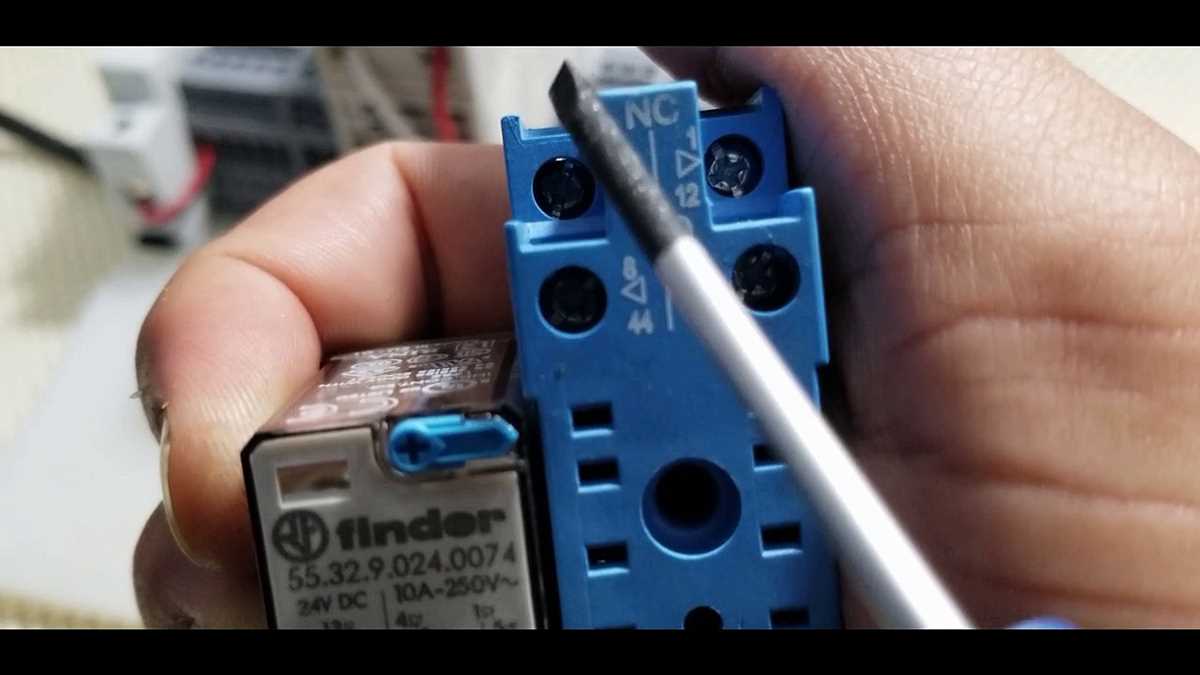
Locate the coil connections first by checking the component markings or datasheet. Positive and negative pins must match the control voltage source to prevent overheating or failure. Use a multimeter to confirm resistance values before making connections.
Distinguishing Contact Points
Identify common, normally open, and normally closed terminals. The common pin carries the main load current, the normally open engages when energized, and the normally closed disconnects under activation. Label each pin clearly to avoid cross-connection with other circuits.
Verifying Pins Before Installation
Measure continuity across contacts to confirm functionality. Apply a low test voltage to the coil and observe which terminals switch. This prevents miswiring when connecting motors, lighting systems, or control modules and ensures safe operation under full load.