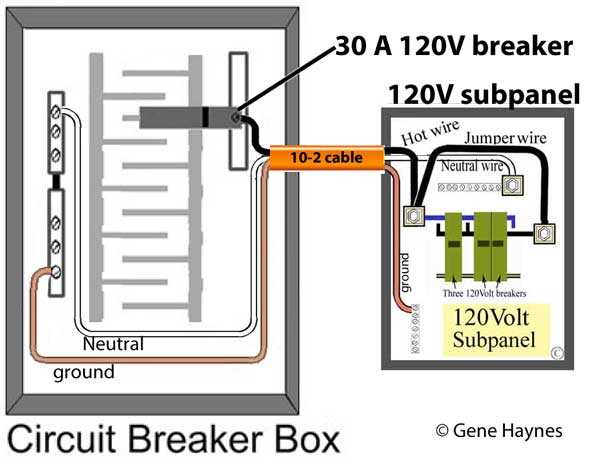
Ensure all circuits are de-energized before connecting any feeder lines to avoid shock or equipment damage. Use a voltage tester to verify the absence of current on both the incoming and outgoing terminals.
Select the correct circuit breakers and bus connectors rated for the total amperage of the added distribution box. Overloading the system can cause overheating and trip hazards. For most residential setups, a 60-amp rated feeder is sufficient for moderate loads.
Maintain proper separation of grounding and neutral conductors inside the enclosure. Connect the grounding bar directly to the building’s main ground while keeping neutrals isolated to prevent stray currents that could damage electronics or create safety risks.
Route feeder cables carefully to minimize bends and avoid proximity to heat sources. Label each conductor clearly and secure them using insulated clamps to prevent accidental shorts or mechanical stress over time.
Sub Panel Connection and Layout Guide
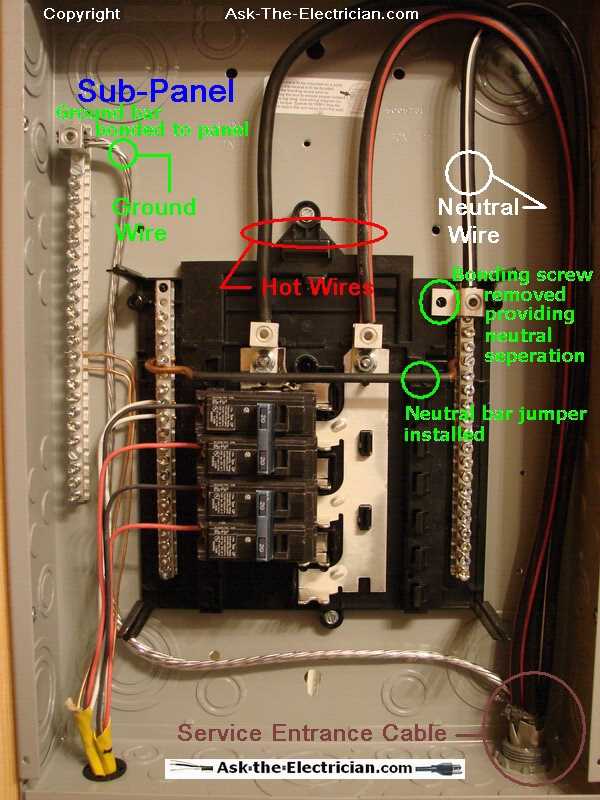
Use a properly rated feeder cable between the main distribution board and the secondary enclosure, matching the total amperage of the circuits being served. For a 60-amp auxiliary box, a #6 AWG copper conductor is recommended, with separate hot, neutral, and ground lines.
Install a dedicated grounding bar and keep it isolated from neutral terminals. Attach a green or bare copper conductor from the grounding bar to a driven rod or the main building ground to maintain a reliable earth connection.
Separate neutral and hot conductors clearly on distinct bus bars to prevent feedback loops. Each branch line should be clearly labeled with its circuit rating, location, and purpose to avoid confusion during maintenance.
Follow a consistent layout pattern for circuit breakers, placing higher-amp lines at the top and smaller loads toward the bottom. Maintain a minimum 1-inch spacing between conductors to reduce heat accumulation and facilitate airflow.
Secure all connections firmly using screw terminals or approved clamps. Periodically inspect the enclosure for loose connections, discoloration, or corrosion, as these are early signs of potential overload or poor contact points.
Selecting the Correct Breakers and Bus Bars for a Sub Panel
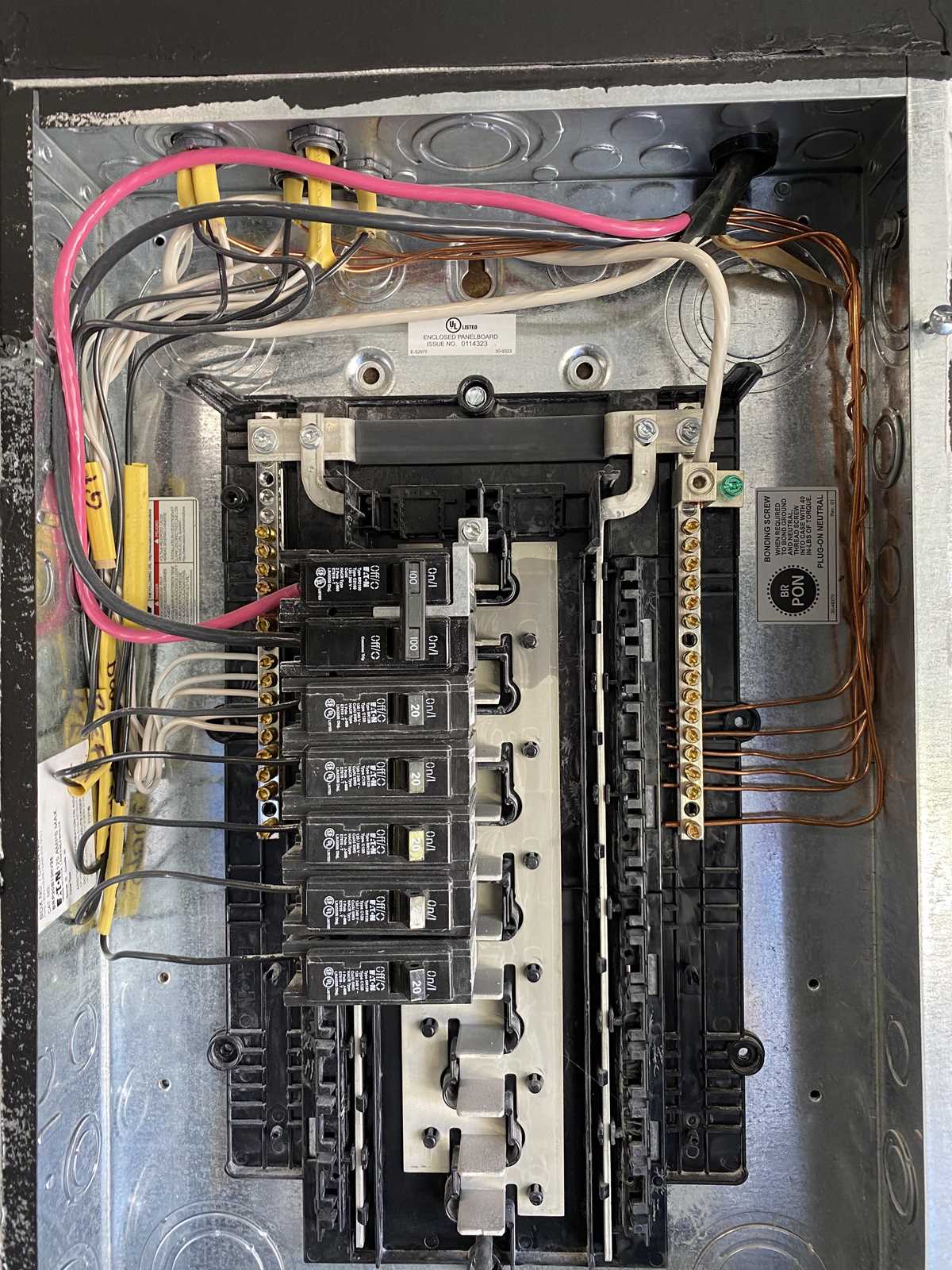
Choose breakers that match the amperage of each branch line and the total load of the secondary enclosure. Standard single-pole units typically handle 15-20 amps for general circuits, while double-pole units are required for 240-volt appliances or equipment exceeding 30 amps.
Use bus bars rated for the total current of the enclosure and compatible with the breaker types installed. Copper bus bars are preferred for better conductivity and heat dissipation, while aluminum can be used if marked for the specific breaker and load requirements.
Ensure proper alignment and secure connections between breakers and bus bars to prevent arcing and overheating. Each breaker should snap firmly onto the rail, and the bar should be fastened to the enclosure using manufacturer-recommended screws or clamps.
Label all circuits clearly on the breakers and bus bars to simplify troubleshooting and future expansions. Group circuits logically, keeping high-demand loads separate from general lighting or outlet lines to maintain balanced distribution and reduce voltage drops.