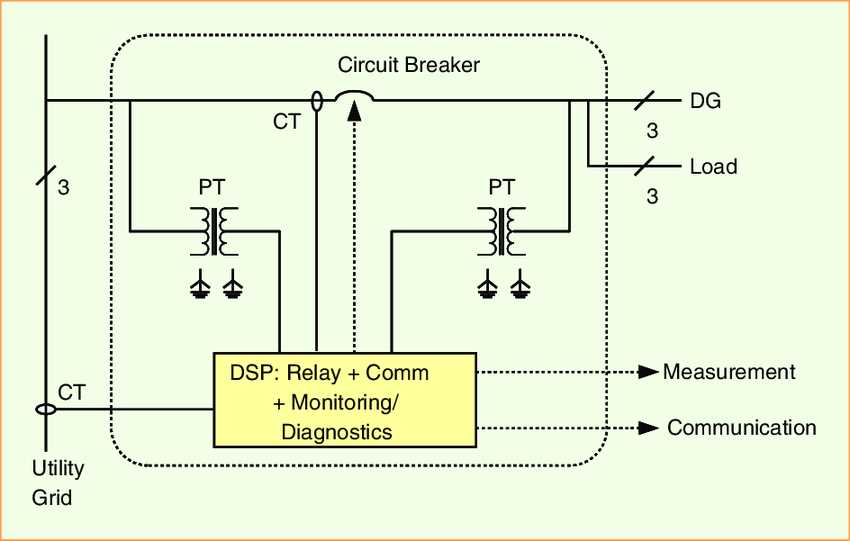
To create a reliable and safe power distribution system, it is important to know how to visualize the layout of protection devices. These systems serve as safeguards against overloads and short circuits, helping to prevent damage to appliances and electrical fires. Mastering the connection points and the flow of electricity through safety mechanisms is crucial for anyone designing or maintaining electrical setups.
Start by identifying key components like the input power source, protective devices, and load points. The input is typically connected to the main distribution panel where these devices are installed. Understanding the way these devices interact with the flow of current allows for an efficient and safe setup.
Use standardized symbols when drafting the schematic to avoid confusion. Electrical protection devices are represented by specific symbols that indicate their function. Recognizing these symbols is a critical step in ensuring clarity and precision in your design.
In addition to symbols, it’s important to pay attention to the correct placement of devices based on the system’s requirements. Overload protectors need to be located near the power source, while smaller appliances or outlets may require different settings based on their electrical load. Careful planning ensures the longevity of the system and the safety of its users.
Understanding the Protection Device Setup
When planning a protection system for electrical circuits, start by positioning safety devices near the primary power input. This ensures that the protection mechanisms engage first in the event of an overload or short circuit. Place these devices at appropriate intervals throughout the system to maintain safe current flow to all appliances and equipment. Connect these devices with clearly marked terminals, which will help prevent confusion during installation and maintenance.
Detailed Connections and Functionality
Each safety mechanism should be connected to the live, neutral, and ground wires, which will be clearly indicated in your schematic. Make sure to follow the manufacturer’s recommendations for wire sizes to match the power requirements. The main connection point should always be securely grounded, ensuring a safe path for electricity to travel during fault conditions. Regularly check the status of these devices to confirm proper operation and avoid potential hazards.
How to Interpret Protection Device Symbols
To accurately read electrical protection schematics, begin by familiarizing yourself with the common symbols used. For instance, a typical safety switch is represented by a square with a small line at the top, indicating its ability to interrupt current flow when necessary. The layout of these symbols follows universal standards, which help prevent confusion in multi-stage systems.
Next, focus on understanding the significance of each symbol’s placement. Symbols positioned at the input or main section of the setup indicate key components like safety cutoffs or isolators. These devices are typically linked directly to the main power source. Additional symbols located further along the system represent other protective units such as overload preventers or short-circuit interrupters, designed to activate only when specific faults are detected.
Key Symbols to Recognize
- Switches: Represented by rectangles with an open or closed line, these symbols indicate manual or automatic activation.
- Grounding: A line with three horizontal lines beneath it often symbolizes grounding points, crucial for directing fault currents to earth.
- Overload Protection: These symbols resemble a coil or a spring, indicating devices that activate during an overcurrent situation to prevent system damage.