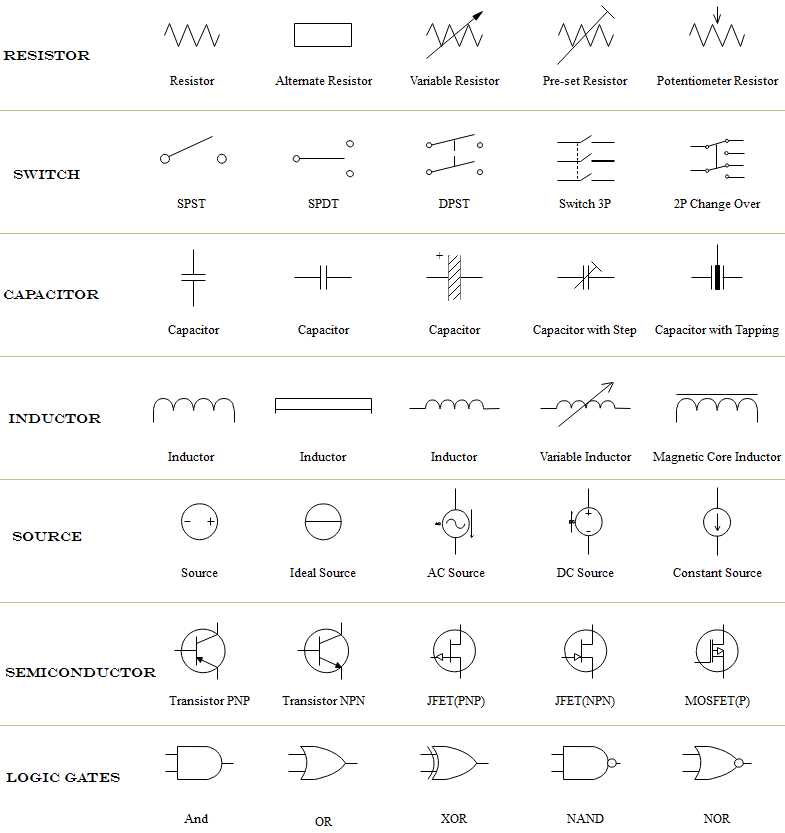
Begin by recognizing key symbols used in visual representations of electronic systems. Each symbol represents a specific component, such as resistors, capacitors, or transistors. Familiarize yourself with the most common ones like the power source, ground, and connections. These symbols are universal, so mastering them helps you interpret any schematic. Pay close attention to orientation and the flow of current, which is often depicted by arrows or lines that show how electricity moves through the network.
Focus on the connections between components to understand how they interact. Lines represent conductive pathways, while nodes are junctions where multiple components meet. These connections must be traced carefully to see how signals or power flow through the system. Each path has its specific role, so knowing what each component does helps you piece together the purpose of the entire system. The layout is often designed to minimize confusion, so once you understand the basics, reading becomes more intuitive.
Use the schematic to identify potential issues in a malfunctioning system. By analyzing the layout, you can pinpoint where failures might occur, such as broken connections or short circuits. Knowing how components are connected allows you to quickly check if the current is being properly routed. With practice, this skill will help you troubleshoot and repair electrical networks more effectively.
Identifying Common Symbols on a Circuit Board
The power source symbol is usually depicted by a pair of parallel lines with one longer than the other. The longer line represents the positive terminal, while the shorter one indicates the negative side. This symbol is a key starting point in understanding the flow of electricity in any system. It is essential to ensure the correct polarity when connecting components to the power supply to avoid damage.
Resistors and Capacitors
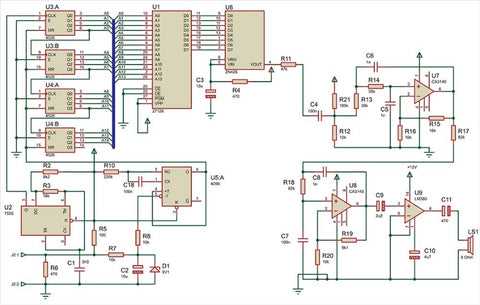
Resistor symbols are typically shown as a zigzag line or a rectangle, depending on the standard used. They are crucial for controlling the flow of current. Resistors in a network limit or reduce the amount of current passing through specific paths. In addition, capacitors are represented by two parallel lines, with one often curved or flat to distinguish between different types like electrolytic or ceramic capacitors. These components store and release energy as needed to stabilize voltage levels.
Transistor symbols appear as an arrow in a circle with three lines extending from it. The orientation of the arrow indicates the type of transistor–either NPN or PNP. Transistors act as switches or amplifiers in many electrical systems. Understanding their role in controlling current flow is vital for interpreting how signals are processed within a design.
Diodes and LEDs
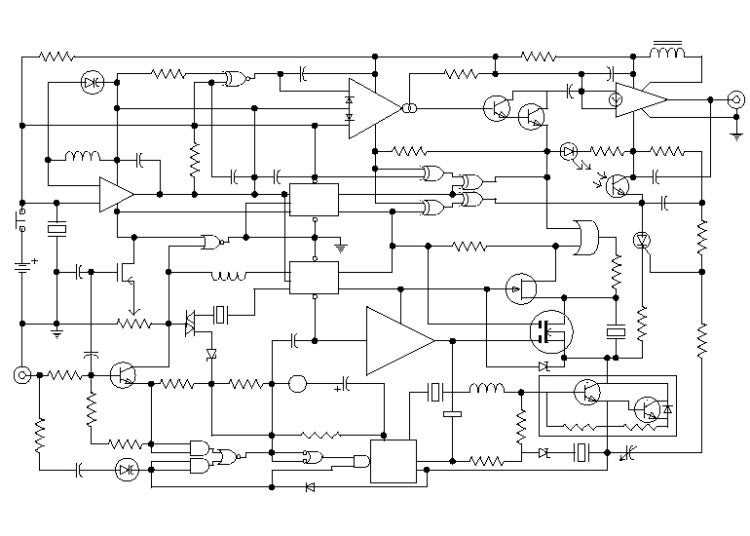
Diodes are shown as an arrowhead pointing toward a line, indicating the direction of current flow. They allow current to pass in one direction while blocking it in the opposite. This behavior is crucial for rectification in power supplies. The light-emitting diode (LED) is a variation of the diode, represented by the same symbol but with additional arrows pointing outward, signifying that it emits light when current passes through.
Ground and connections are typically denoted by a series of horizontal lines stacked one on top of the other. This symbol represents the reference point for the electrical system, acting as the common return path for current. Properly identifying the ground is necessary to ensure stable and safe operation of the system.
Other common symbols include inductors, shown as a series of loops or coils, and switches, depicted by a break in the line with a connecting switch symbol. Each of these symbols serves to simplify complex designs and clarify the function of each component within the system, making it easier to troubleshoot and modify the setup as needed.
Understanding the Connections and Flow of Current
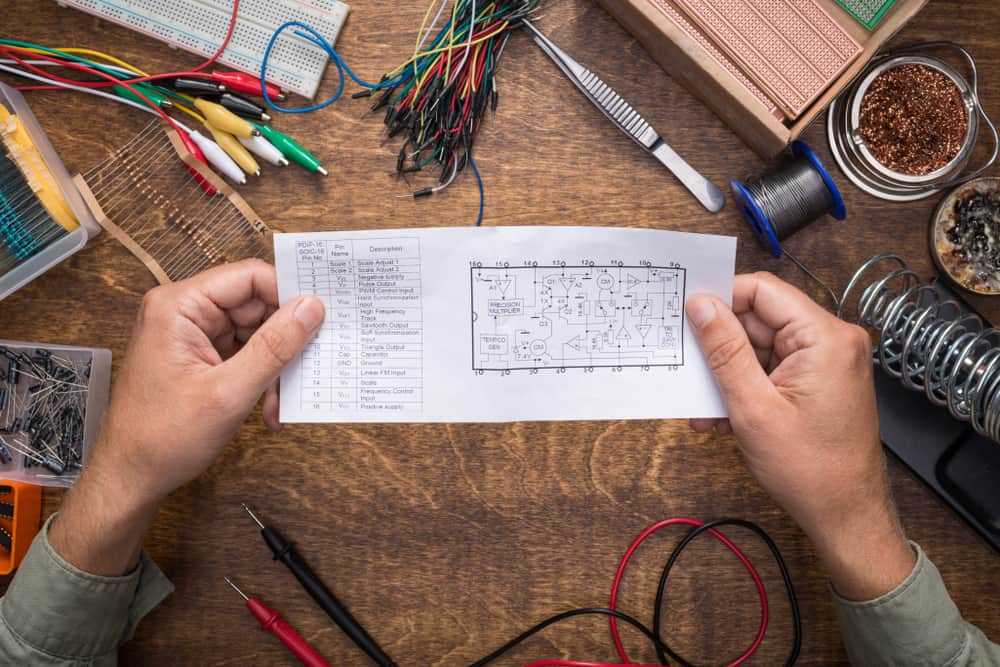
Connections are represented by lines that show how components are electrically linked. These lines usually indicate conductive paths through which electricity flows. Each connection is vital for completing the circuit. Misconnections or breaks in the path can prevent the system from working correctly. Pay attention to where these lines connect to different components, as this will determine the sequence of current flow.
The flow of current follows a specific direction dictated by the power source and the polarity of components. Current typically flows from the positive terminal of the power supply, through components like resistors, capacitors, or transistors, and returns to the negative terminal or ground. Ensure that all components are oriented correctly to allow the current to flow without resistance, which could lead to overheating or failure.
Nodes represent junction points where multiple connections meet. These points are crucial for directing the current to different components. Each node is often associated with a specific voltage level or role in the system, such as distributing power to various sections or carrying signals. Understanding the function of each node allows for a better grasp of how the system operates and how energy is directed within the network.
Ground connections are key reference points in the flow of current. The ground symbol is typically shown as a series of stacked lines. It represents the return path for the current and is a common reference for measuring voltages in the system. Without proper grounding, current can flow unpredictably, leading to instability or damage. Always check that ground connections are clearly marked and correctly placed in the schematic.