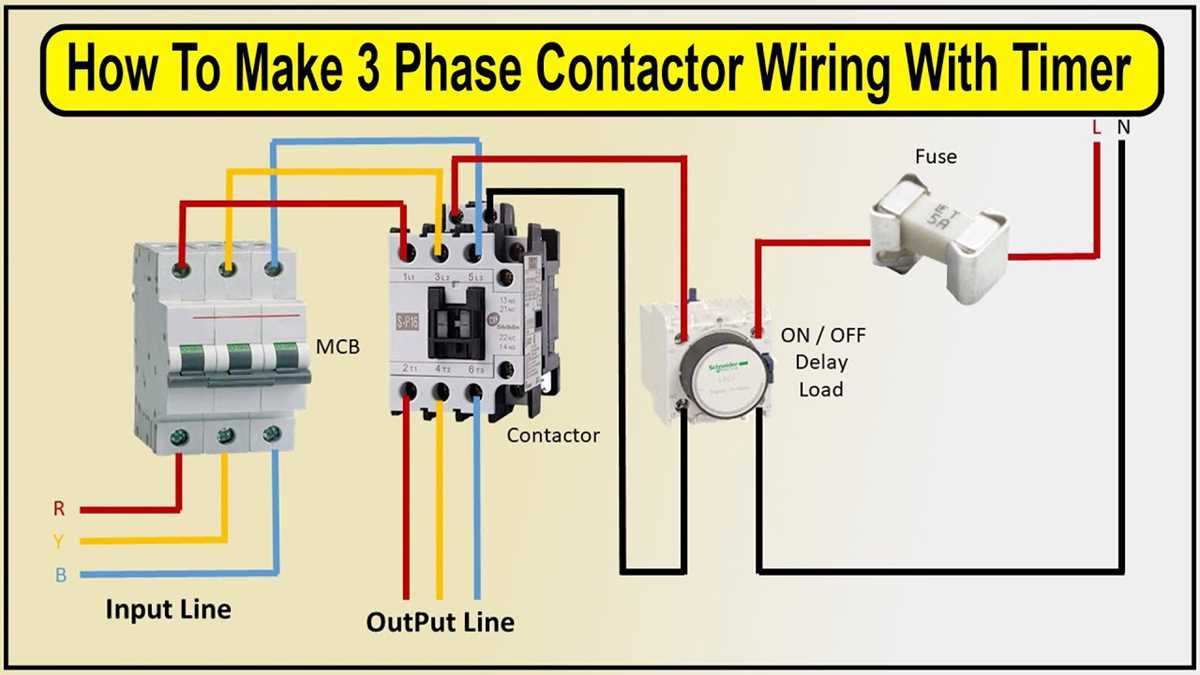
Verify main line connections before applying power to prevent shorts and ensure balanced load across all three conductors. Use insulated terminals and confirm torque specifications for each screw.
Check coil terminals and auxiliary contacts for secure engagement. Loose or misaligned plugs can prevent the starter from actuating and trigger false overload trips.
Label all leads clearly during installation or maintenance. Color-coded tags help trace each path to the motor, relay, or control switch, reducing troubleshooting time and errors.
Inspect protective relays and fuses to confirm correct ratings. Installing under-rated components can allow excessive current to damage windings, while over-rated fuses may fail to interrupt a fault.
Measure voltage at key points under operating conditions using a multimeter. This identifies drops along long runs and confirms that each motor terminal receives adequate power for reliable startup.
Three Line Motor Starter Guide
Confirm main supply connections before energizing the starter. Each line must be secured with correct torque to prevent overheating and ensure balanced load across all motor inputs.
Inspect control coil terminals for firm engagement. Loose connections can prevent the starter from activating and cause frequent tripping of protective devices.
Label all wiring paths using color-coded tags. This simplifies identification during maintenance and reduces errors when reconnecting leads to relays, switches, or overload units.
Verify overload relays and protective fuses are rated correctly for motor current. Installing mismatched devices can either fail to interrupt fault conditions or trip under normal operation.
Testing and Troubleshooting
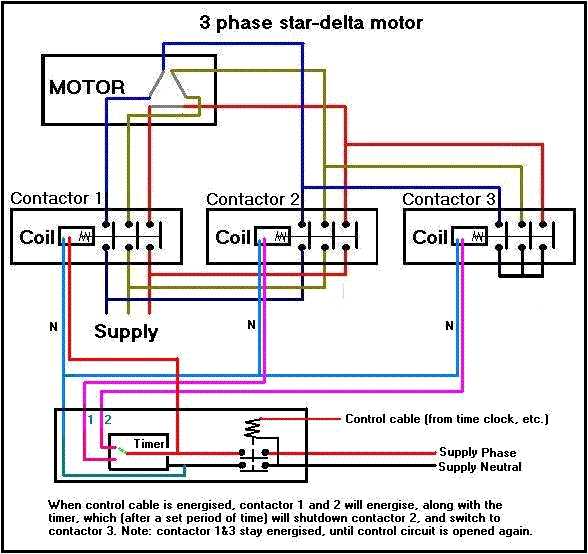
Measure voltage at motor terminals under load conditions. Detecting voltage drops along conductors ensures each winding receives proper power and prevents startup delays or overheating.
Check auxiliary contacts and interlocks regularly for wear and alignment. Malfunctioning auxiliary paths can prevent sequential operations, such as start-stop controls, from functioning properly.
Identifying Main Power Lines and Coil Connections
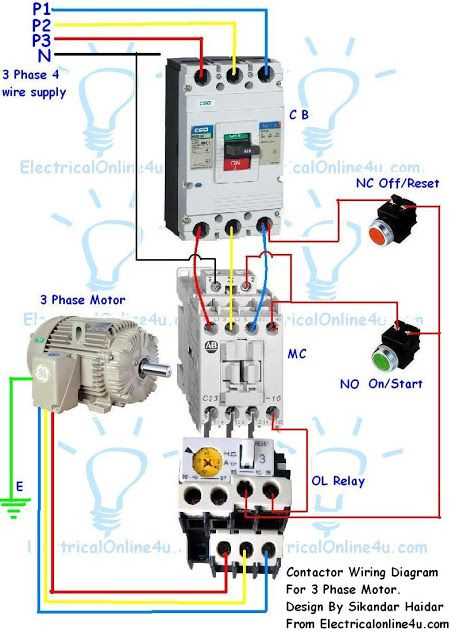
Verify each incoming line at the main terminals before applying power. Check for tight screws and clean contact surfaces to prevent overheating and uneven current distribution.
Trace the starter coil connections to ensure proper engagement with control switches. Loose or misaligned terminals can prevent activation and trigger protective devices.
Use color-coded markers on all conductors to differentiate between supply lines and control leads. This practice reduces mistakes during assembly and simplifies troubleshooting under load.
Inspect auxiliary relays and interlocks connected to the coil. Confirm that each auxiliary path is free from corrosion and firmly seated to maintain reliable sequential operation.
Measure voltage at coil terminals under operating conditions. Monitoring voltage drop helps identify resistance in connectors or long leads that could impair activation.
Check for secure grounding on all lines and coil housings. Even minor loose connections can create erratic behavior, including delayed motor starts or false tripping of protection devices.