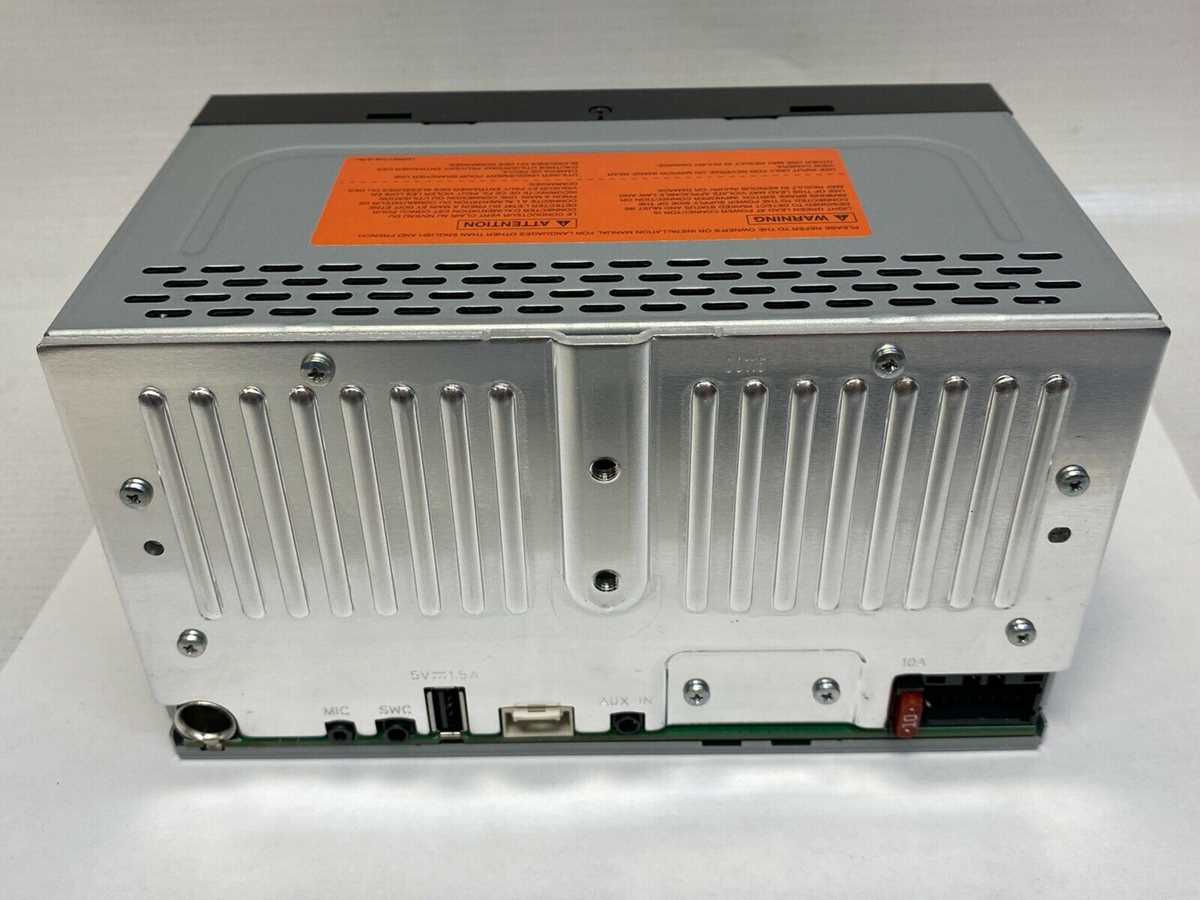
Connect the red power lead to a switched 12-volt source to ensure the unit turns on only with the ignition. Secure the black ground wire to a clean, bare metal surface to prevent interference or voltage drops.
Attach speaker leads carefully matching positive and negative terminals for each channel. Use crimp connectors or solder to prevent loose connections and minimize distortion during playback.
Integrate the remote control wire by linking it to compatible amplifiers or external devices. Maintain separation from power cables to avoid hum or signal noise affecting audio quality.
Route all cables neatly through the vehicle’s harness paths and fasten with zip ties to reduce strain. Avoid sharp bends or contact with moving parts to prevent insulation damage.
Check all fuses and connectors before powering the receiver. Use a multimeter to verify continuity and correct polarity to avoid short circuits or malfunction.
Perform a functional test after installation by powering on the unit and adjusting each speaker channel. Confirm proper sound output, control response, and absence of electrical noise for safe operation.
Complete Connection Guide for Car Audio Receiver
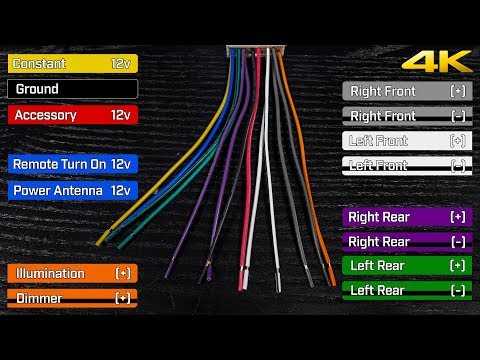
Connect the power and ground leads first to establish a stable electrical supply. Attach the red lead to a switched 12-volt source and the black lead to a bare metal chassis point. Ensure screws are tight and surfaces are clean to avoid voltage drops or intermittent operation.
Hook up the speaker outputs accurately using proper polarity for each channel. Use crimp terminals or solder joints to secure connections and prevent audio distortion. Keep left and right channels separated to minimize crosstalk and signal interference.
Integrate control and external device connections such as amplifier triggers, USB inputs, or auxiliary devices. Route all cables along existing harness paths, secure with zip ties, and maintain separation from power cables to prevent noise and preserve signal quality. Test each function individually before full operation.
Connecting Power and Ground for Reliable Operation
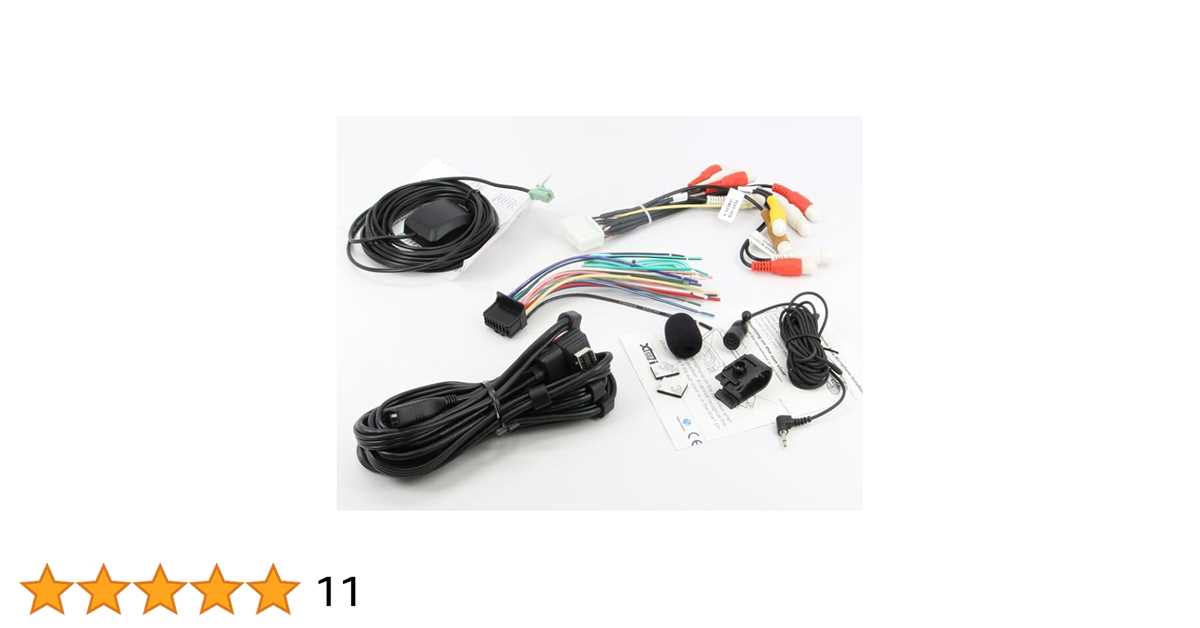
Attach the red power lead to a switched 12-volt source that activates only when the ignition is on. Use a fuse rated slightly above the receiver’s maximum current draw to protect the circuit from short circuits or surges.
Secure the black ground wire to a clean, unpainted metal surface on the vehicle chassis. Remove any rust or paint from the contact point and tighten the connection fully to maintain a stable reference voltage.
Use proper gauge cables for both power and ground to handle peak current without overheating. For most single-zone receivers, 16 AWG is sufficient, while multi-channel units may require 14 AWG or larger depending on total load.
Check all connections with a multimeter before applying full power. Verify that voltage reaches the receiver and that there are no unintended voltage drops along the cables, ensuring consistent performance under load.
Route power and ground cables carefully along existing harnesses, avoiding sharp edges and moving parts. Secure with zip ties at regular intervals to prevent vibration damage and maintain long-term reliability of the electrical supply.