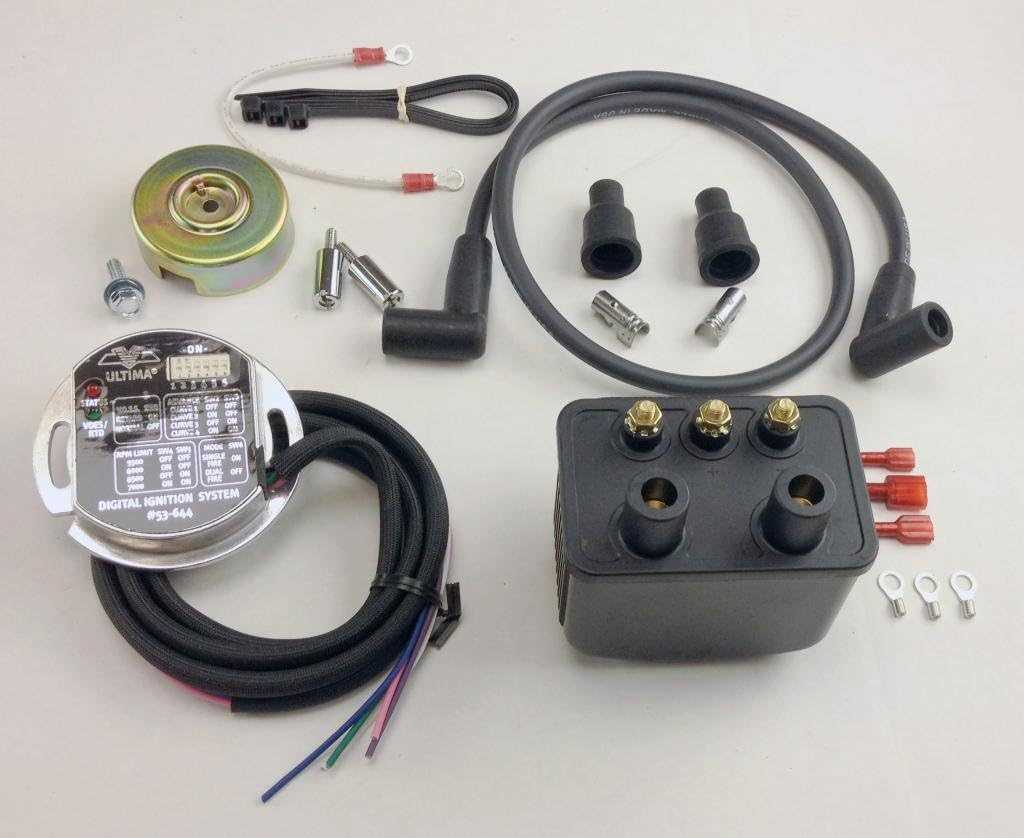
Ensure each high-voltage lead is firmly attached to the correct terminal to prevent misfires. Confirm the polarity of the primary connectors before powering the system, as reversed connections can cause erratic spark timing and potential component damage.
Verify the spacing between electrodes and the module base to maintain consistent spark distribution. Adjust the leads to avoid physical contact with the engine block or metal surfaces, reducing the risk of shorts and signal interference.
Use heat-resistant insulation sleeves on all exposed leads to handle the elevated temperatures near the combustion area. This protects against arcing and maintains steady conductivity under continuous operation.
Route control signals separately from high-voltage paths to prevent induction noise from disrupting ignition timing. Bundling or crossing low- and high-voltage lines can introduce voltage spikes that misalign spark sequences, impacting engine performance.
Harley Dual Fire Coil Ignition Guide
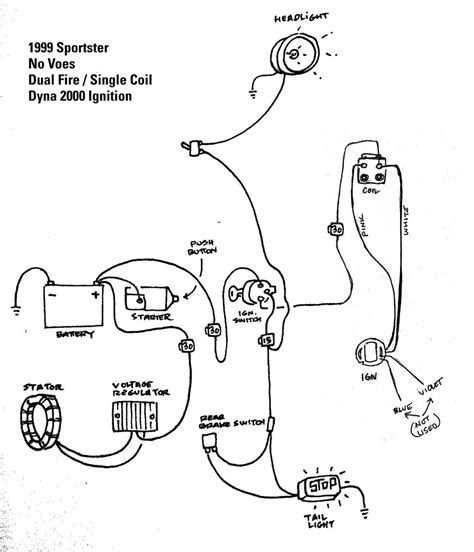
Connect the primary terminals in strict sequence to match the engine’s firing order. Each lead should be fastened to the correct module post, with the shortest path avoiding heat sources to prevent insulation breakdown.
Use a high-quality dielectric grease on all metallic contacts to reduce resistance and prevent corrosion over time. This improves voltage transfer and ensures consistent spark delivery under all operating conditions.
Route secondary leads along the frame edges to minimize electromagnetic interference with sensitive electronics. Avoid sharp bends or tight loops that could stress the cables and cause premature wear or signal loss.
Confirm all ground connections are clean and secure. Poor grounding can lead to weak sparks and misfiring. Sand or polish contact points before securing clamps to maintain a solid metal-to-metal interface.
Integrate heat shields or protective sleeves near the engine head to prevent thermal damage. Maintaining separation between hot surfaces and insulation prevents voltage leakage and keeps spark strength consistent.
Test each spark lead individually using a timing strobe or spark tester before final assembly. Adjust positioning or tension as needed to ensure simultaneous firing and smooth engine operation, avoiding timing delays or uneven combustion.
Identifying Coil Terminals and Correct Spark Connections
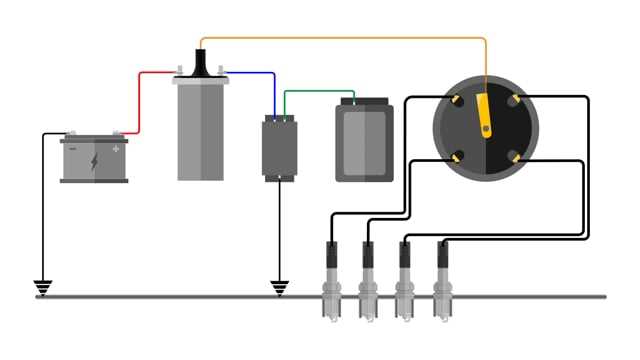
Label each terminal before installation to prevent confusion during assembly. Primary and secondary posts must be clearly distinguished, as reversing connections can cause weak spark output or misfires.
Use a multimeter to verify continuity between terminals. This ensures each post is active and connected correctly, reducing the risk of engine hesitation or skipped combustion cycles.
Follow the engine’s firing sequence when attaching leads. Connect the nearest post to the corresponding cylinder terminal, maintaining minimal lead length while avoiding contact with hot surfaces.
Organize spark cables using clamps or brackets to prevent crossing or tangling. Proper spacing minimizes electromagnetic interference and prevents accidental grounding against the frame.
Color-code or mark each lead for easy identification during maintenance. This practice saves time when replacing components or troubleshooting irregular spark patterns in the future.
- Check each post for corrosion or oxidation before attachment
- Apply conductive grease to maintain stable voltage transfer
- Secure connections firmly to prevent loosening from vibration
Perform a full system test with the engine at idle. Observe spark consistency across all cylinders and adjust connections if sparks appear weak or uneven, ensuring smooth engine performance and reliable ignition.