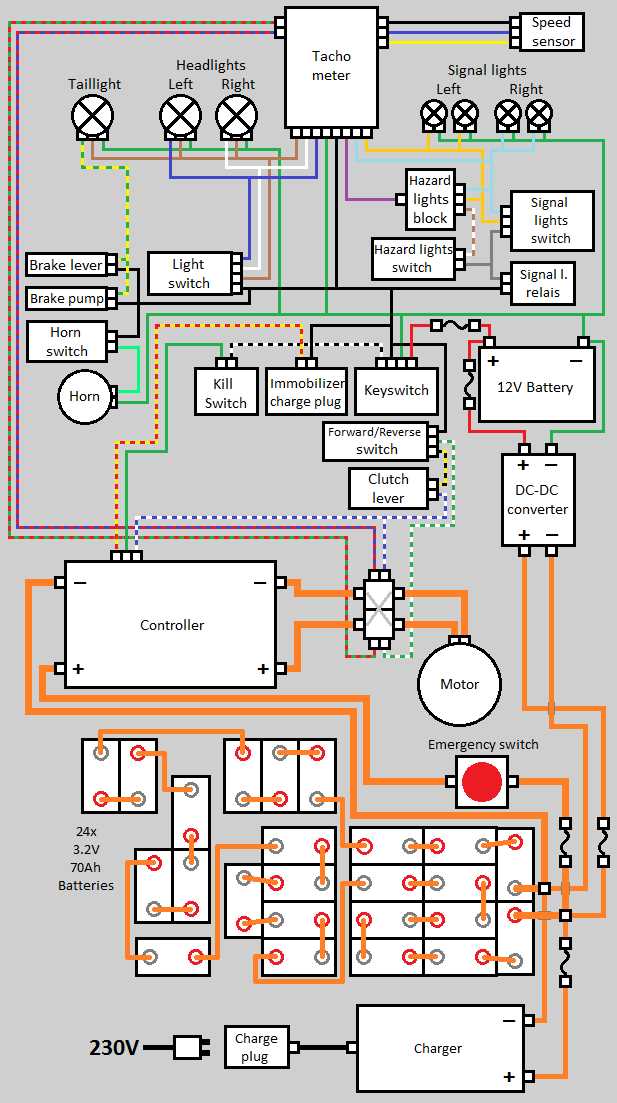
Before attempting any electrical work on a vehicle’s power system, it’s important to first identify the necessary components. Understanding the flow of energy from the battery to other systems is crucial. Properly mapping out the connections ensures that your modifications or repairs are done safely and effectively.
Begin by locating the main power source and understanding how it connects to the motor, regenerative braking system, and auxiliary devices. Knowing the exact placement of high-voltage components will help avoid accidental damage or injury. The battery should always be disconnected before working on any electrical components.
Once you’ve mapped out the power source, focus on understanding the signal pathways, including the connections between control modules, sensors, and actuators. Accurate identification of wires based on color codes and functions will make repairs or upgrades much simpler. Many systems rely on proper grounding and wiring to function as intended.
Electric Car Circuit Design and Components
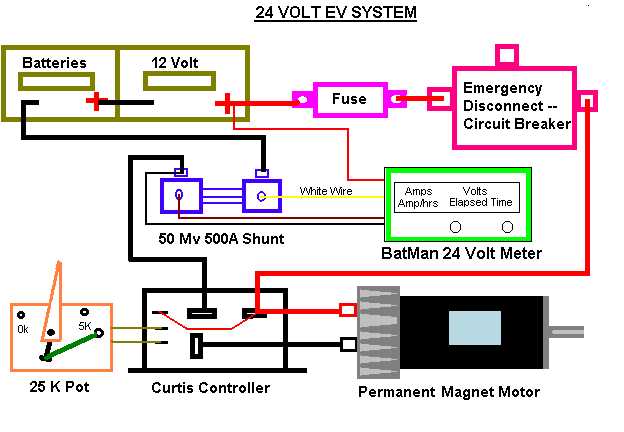
Start by examining the primary power unit, which is the source of all energy distribution. This is typically a high-capacity battery that powers all systems of the vehicle. It is vital to identify the positive and negative terminals for correct wiring placement to avoid damage or malfunction.
Next, focus on the inverter that converts DC power from the battery into AC power for the motor. Understanding the power flow from the battery to the inverter and motor helps in diagnosing issues with propulsion. Pay attention to the fuse box connections, as these are often the first to fail during electrical failures.
The regenerative braking system plays an important role in recharging the battery when the vehicle slows down. This system requires careful attention to the connections between the motor, the brake system, and the battery. Any disruption in this feedback loop could lead to poor charging performance or motor failure.
High-Voltage Components
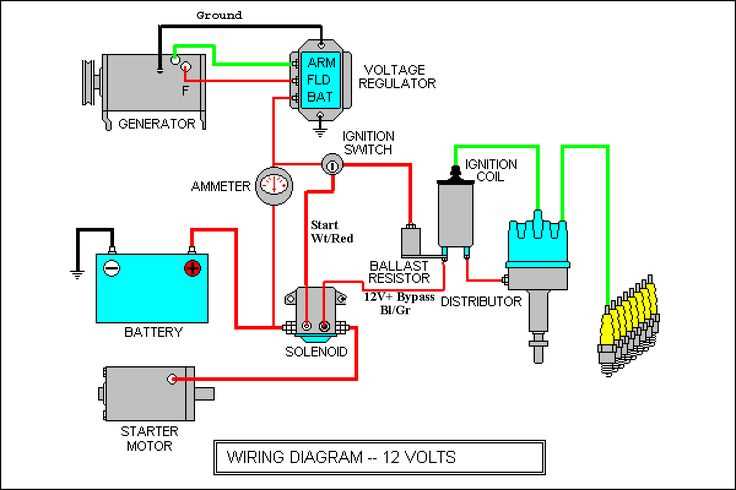
High-voltage components, such as the motor and battery, must be handled with extreme caution. It is highly recommended to use insulated tools to work with these components. Knowing how to safely disconnect the battery and capacitors before working on the system is vital to avoid electric shocks.
Auxiliary Systems and Low-Voltage Wiring
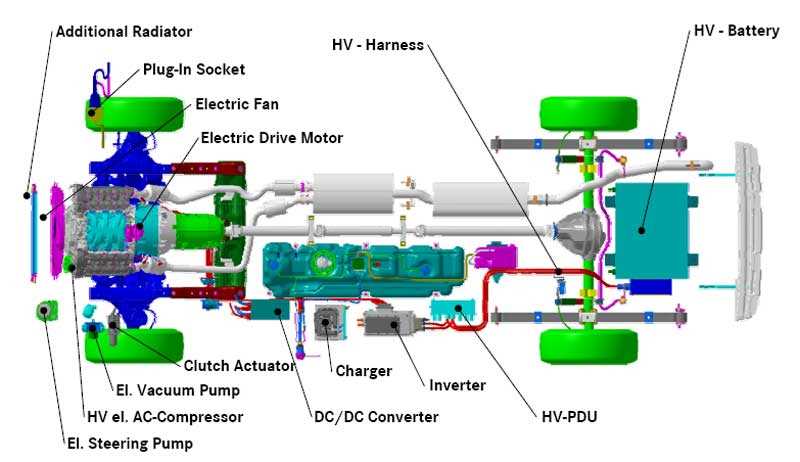
Many auxiliary systems, such as air conditioning, lights, and infotainment, operate on low voltage. These systems are connected to the battery but do not require high-voltage wiring. Understanding these low-voltage circuits is necessary for troubleshooting non-powertrain issues that may arise during maintenance or repair.
Color-coded wires are standard in most modern vehicles to identify the correct connections. Make sure to refer to the wiring guide for your specific model to avoid mistakes that could cause system failure or potential damage. It’s also helpful to use a multimeter to test voltage levels before making any connections.
In conclusion, designing and understanding an electric car’s internal systems requires a detailed approach to power flow, safety precautions, and component functionality. Make sure to approach each step methodically and consult manufacturer guidelines to avoid complications. Proper installation and regular maintenance are the keys to optimal performance and longevity.
How to Identify Key Electrical Components in Electric Vehicles
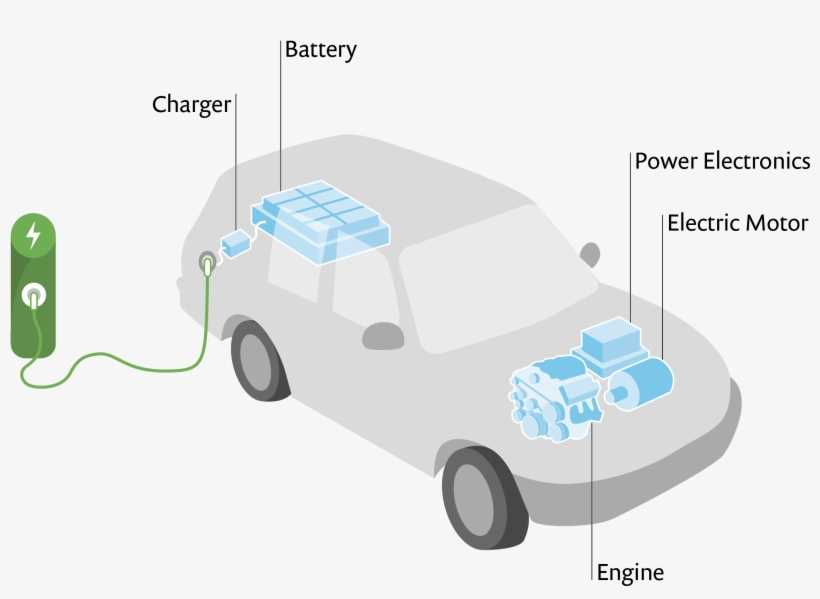
Start by locating the high-voltage battery, which is typically the largest component and is clearly marked for safety. It’s crucial to distinguish between the positive and negative terminals before working with the power source. The battery is responsible for storing and supplying energy to the propulsion system and other electrical subsystems. Double-check the voltage ratings to ensure compatibility when working with any replacement or diagnostic tools.
Next, locate the inverter, an essential component that converts direct current (DC) from the battery into alternating current (AC) to power the motor. This unit is usually positioned near the motor and is connected to the battery via high-voltage cabling. Identify the cooling system for the inverter, as overheating can damage the system, so ensure the connections are intact and well-maintained.
Finally, examine the charging port and associated components, including the onboard charger. These parts are responsible for safely receiving and managing the electricity flowing from the external charging station to the vehicle’s battery. Properly identifying the connectors and ensuring the system is secure from damage is key for safe and effective charging operations.