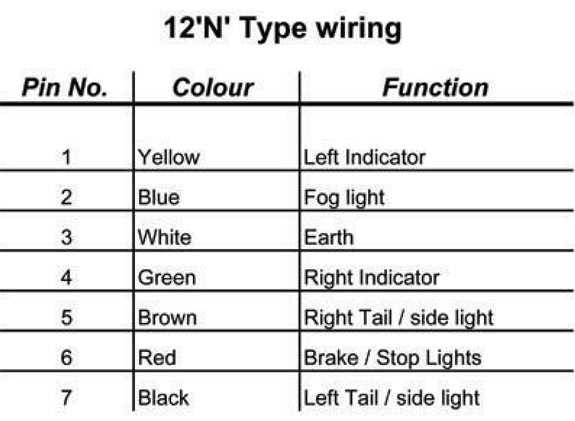
Connect each lead according to its color code to ensure turn signals, brake lights, and ground connections operate correctly. Use a multimeter to verify continuity before final assembly.
Red typically powers the right indicator, amber handles the left, and brown feeds the tail lights. White is reserved for grounding, while blue, green, and black manage auxiliary and brake circuits. Label each conductor for faster maintenance.
Secure all contacts with corrosion-resistant terminals and tighten screws to prevent intermittent faults. Protect exposed areas with heat shrink or insulating tape to reduce short-circuit risk during wet conditions.
After assembly, test the full system by activating indicators, brake lights, and auxiliary circuits simultaneously. Check each connection point under load to catch weak links before on-road use.
Complete 7 Conductor Connector Setup for Accurate Connections
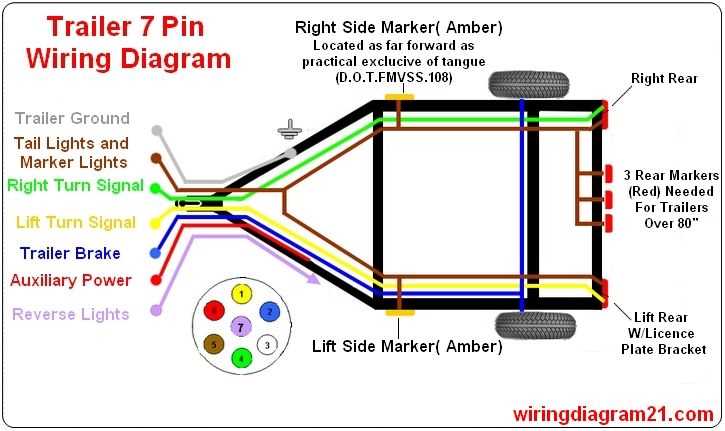
Match each colored lead with its corresponding function to maintain proper lighting and brake control. Use the following assignment for a standard configuration:
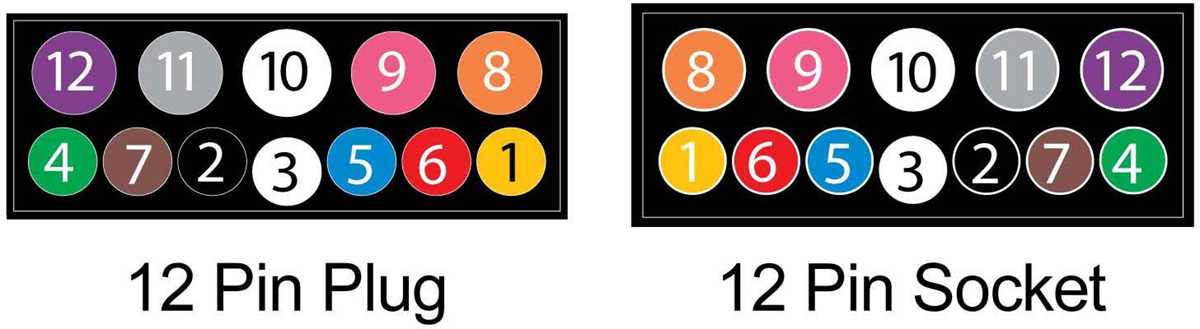
- White: Ground return to chassis
- Brown: Tail and side marker lights
- Red: Right indicator
- Amber: Left indicator
- Blue: Electric brakes or auxiliary power
- Green: Brake lights
- Black: Reverse or additional circuits
Ensure each contact is clean and firmly fastened. After connecting all leads, test the complete system with a battery or light source. Observe each function under load, and wrap exposed ends with heat shrink tubing or insulating tape to prevent corrosion and accidental short circuits during operation.
Identifying Each Conductor Function in a 7 Conductor Connector
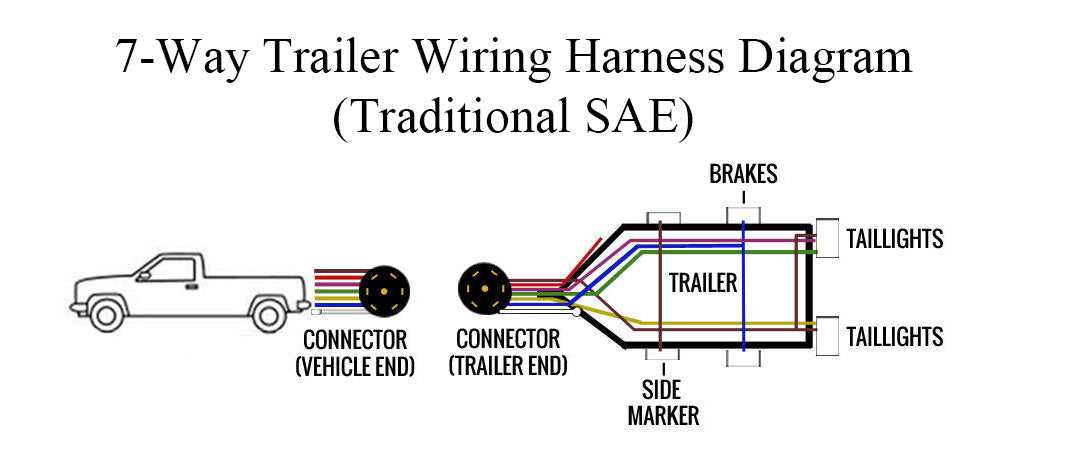
Verify each colored lead before connecting to prevent malfunctioning lights or brakes. White serves as the ground path, brown powers side markers and tail lights, while red and amber handle right and left indicators respectively.
Green and blue manage braking and auxiliary circuits, ensuring signals reach the intended devices. Black is commonly used for reverse or optional systems. Use a multimeter to confirm voltage presence and continuity before final installation.
Label each wire clearly and secure terminals. This allows for quick troubleshooting and prevents cross-connections. Test all circuits under operational conditions, checking each function individually to confirm reliability and proper current flow.