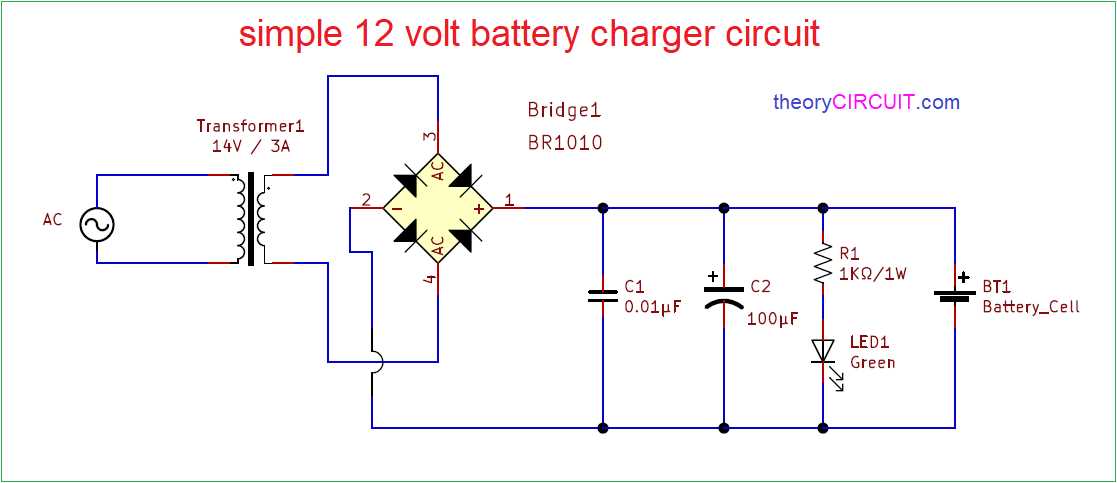
Use a regulated transformer and a rectifier bridge to convert AC supply to stable DC output suitable for lead acid cells. Ensure the transformer rating slightly exceeds the intended load to prevent overheating.
Select resistors and capacitors based on calculated current limits to control charge rate and reduce voltage fluctuations. Accurate component values prevent overcharging and prolong the lifespan of the storage cells.
Incorporate a voltmeter or LED indicator to monitor output voltage continuously. This allows immediate detection of abnormal readings and prevents potential damage to the connected units.
Use proper insulation and secure connections to minimize the risk of short circuits. Tight terminal screws and heat shrink tubing around exposed leads ensure reliable operation and user safety.
Step by Step Instructions for Building a 12v Recharge Unit at Home
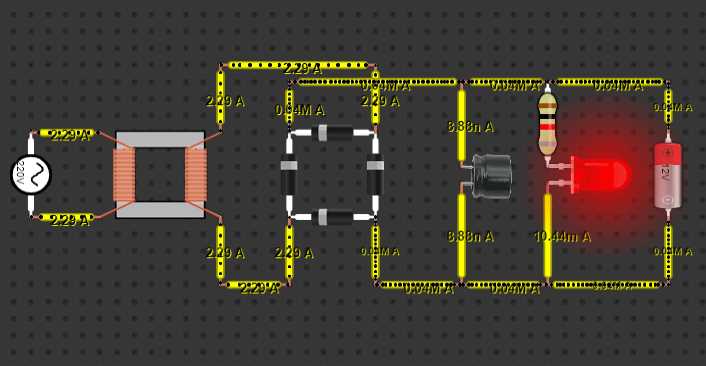
Start by selecting a transformer with a slightly higher voltage rating than your intended output to ensure stable charging. Connect a full-wave rectifier to convert the AC supply to DC, and add a smoothing capacitor to minimize voltage ripple.
Install a current-limiting resistor and a voltage regulator to control the flow of current and maintain a steady output. Measure the output with a multimeter while adjusting the regulator to achieve a safe charging voltage for lead acid cells.
Secure all connections with proper insulation and include an indicator such as an LED or voltmeter to monitor the status. Test the assembled unit with a low-capacity cell first to confirm proper operation and avoid potential hazards before regular use.
Selecting Components and Calculating Voltage for the Charger
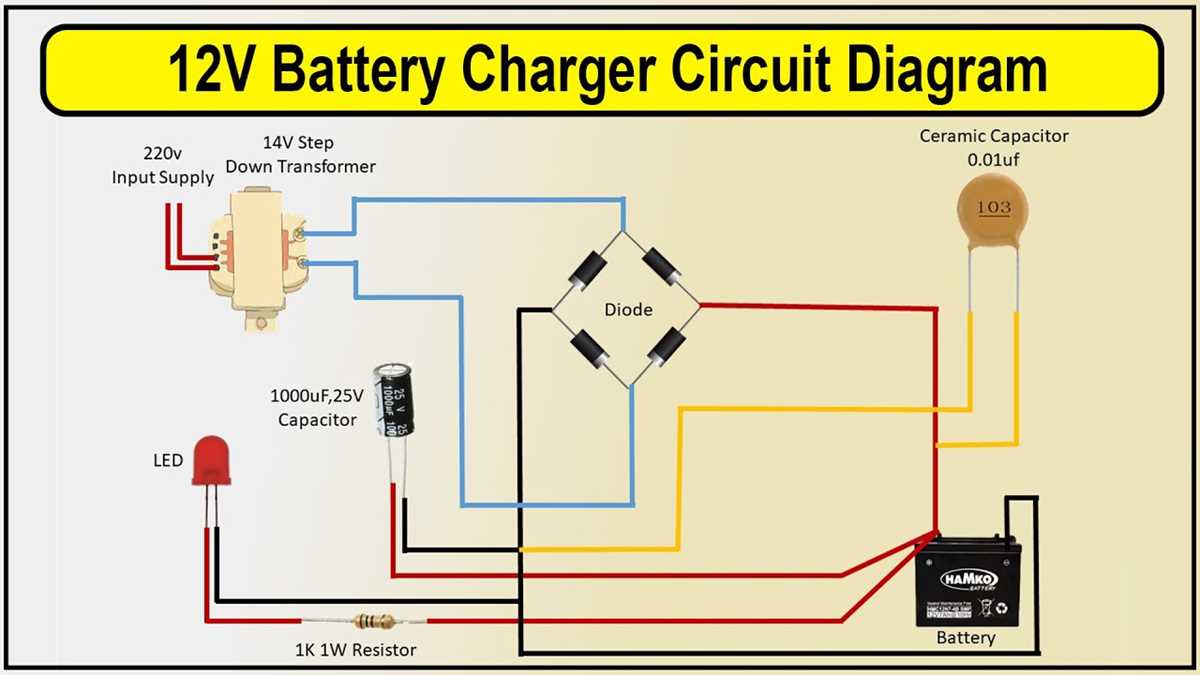
Choose a transformer with a primary voltage matching your mains supply and a secondary rating slightly above the desired output. This ensures sufficient margin for voltage drops and load variations. For smooth DC output, select a capacitor with a voltage rating at least 25% higher than the peak output.
Select diodes for the rectification stage with a current rating at least 50% above the maximum expected load. Use a bridge configuration for full-wave rectification and ensure each diode has a reverse voltage rating higher than the peak AC voltage. Proper heat sinks help maintain stability under continuous operation.
Calculate the current limit resistor by dividing the voltage drop across the regulator by the maximum safe charging current. Include a small margin to prevent overheating of both the resistor and the regulator. Confirm the resistor’s wattage rating to handle sustained dissipation without degradation.
Incorporate a voltage regulator with adjustable output to fine-tune the charging voltage. Measure the output under no-load and full-load conditions, and adjust for the desired final voltage. For lead-acid cells, maintain a voltage between 13.8 V and 14.4 V to avoid overcharging while ensuring proper energy absorption.