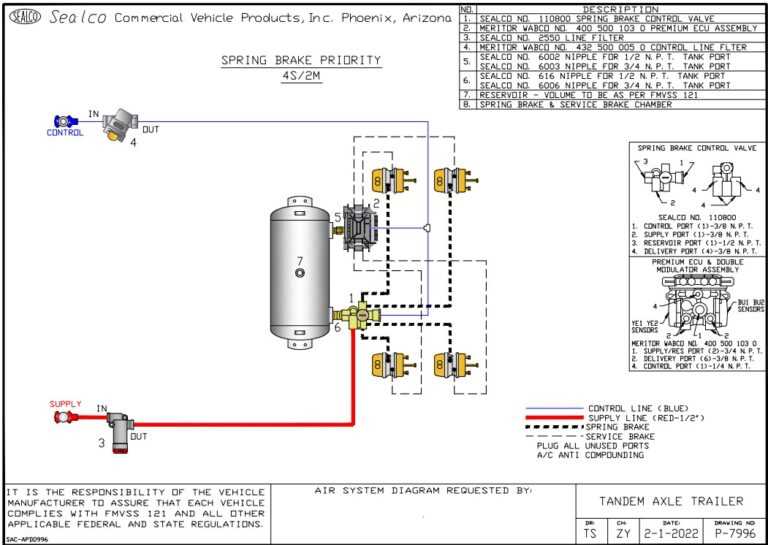
Start by locating the power wire, which is typically marked in red. This wire provides 12V to the unit, enabling it to turn on. Ensuring proper connection of the power line is critical, as any mistake will prevent the system from operating correctly. The black wire, usually the ground, must be securely attached to a clean metal part of the vehicle to establish a stable connection.
Identify the wire colors that correspond to the sensors and control system. For example, the front sensors often use a white wire, while rear sensors are commonly linked to green or purple wires. Matching these color codes with the proper terminals is necessary for the system to function as expected.
If you’re dealing with a system that has a control unit, connect the communication wires carefully. These wires are typically thinner and can be color-coded in blue or blue/white, depending on the setup. Ensuring proper connections will help with reliable data transmission between the sensors and the control unit.
Double-check each connection using a multimeter before finalizing the installation. Testing helps ensure there are no shorts or loose connections that might cause system malfunction. Once all the wires are correctly connected, secure them to avoid any movement that could cause damage over time.
Wiring Connections for the Safety Control System
Ensure you have identified all the key wires before starting the installation process. The main power wire, typically marked red, provides the 12V required for the system to function. A reliable ground connection, usually black, should be attached to a clean metal part of the vehicle to prevent any short-circuiting issues.
Next, identify the sensor wires. These wires are color-coded to reflect their specific locations within the vehicle. For example, front sensors may be assigned white wires, while rear sensors are typically connected using green or purple wires. Properly matching these wires to their respective terminals is critical for correct system operation.
Control Unit Connections
For systems with a control unit, make sure to correctly connect the communication wires. These are often thinner wires and can be identified by blue or blue/white color coding. Incorrect connections here can lead to communication failures between the sensors and the main control system, so it’s vital to double-check the connections before finalizing the setup.
Testing Connections
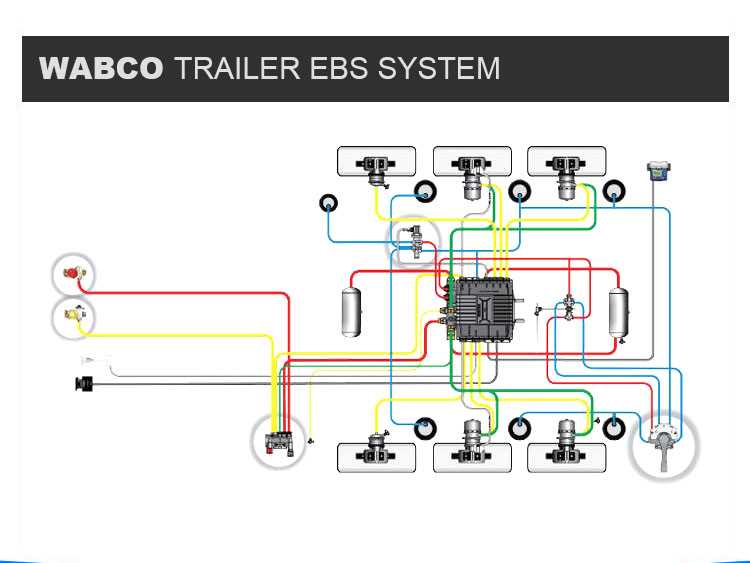
Before completing the installation, use a multimeter to test the connections. This will help ensure there are no loose or incorrect connections that could lead to malfunctions or failure. It’s also an important step in confirming the correct flow of power throughout the system.
Once you’ve verified that all connections are correct and stable, secure the wires using cable ties to prevent any movement. Ensuring the wires are tight and well-organized will reduce the risk of damage over time, especially in areas where the system might experience vibrations or external pressure.
After securing the connections, test the system by turning it on and checking all functions. If there is any irregularity, recheck the wiring to ensure everything is connected as it should be. This will help avoid troubleshooting later on and ensure that the system works as intended when needed most.
Understanding Wire Color Codes and Pinouts for ABS System
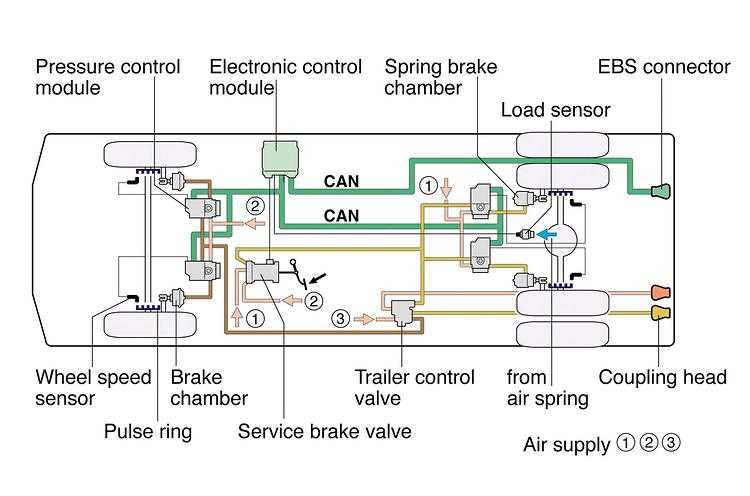
Start by identifying the main power wire, which is typically red. This wire provides 12V, enabling the system to power up. Without proper connection to this wire, the entire setup will fail to operate. The black wire is the ground, essential for completing the electrical circuit. It must be securely attached to a metal part of the vehicle’s body to prevent short circuits.
For the sensor wiring, color coding is used to identify each wire’s specific function. Front sensors are usually connected via white wires, while rear sensors often use green or purple. Ensuring proper color matching is crucial, as mixing up these connections can result in faulty sensor readings.
The front left sensor is often connected to the white wire, while the front right sensor typically uses the gray wire. The rear left sensor is commonly connected to the green wire, and the rear right sensor to the purple wire. These color codes help simplify the installation process and ensure each sensor is correctly wired to the control system.
- Front Left Sensor: White
- Front Right Sensor: Gray
- Rear Left Sensor: Green
- Rear Right Sensor: Purple
For communication between the control unit and sensors, the connection wires are usually thinner and can be blue or blue/white. These wires play a significant role in transmitting data, and ensuring that they are correctly wired is necessary for optimal performance.
If the system includes a power antenna or other auxiliary components, you’ll likely find additional wires. The antenna wire is often blue, while other auxiliary functions may use colors like orange or yellow, depending on the vehicle’s configuration.
Each wire serves a specific role in the system, and proper identification is necessary for accurate function. Always cross-check the wire color coding with the provided manual or technical sheet to avoid any issues during installation.
Once all connections are properly made, test the system with a multimeter to confirm that power is flowing correctly and that there are no issues with communication between components. Secure any loose wires with cable ties and ensure all connections are stable before closing the system up.