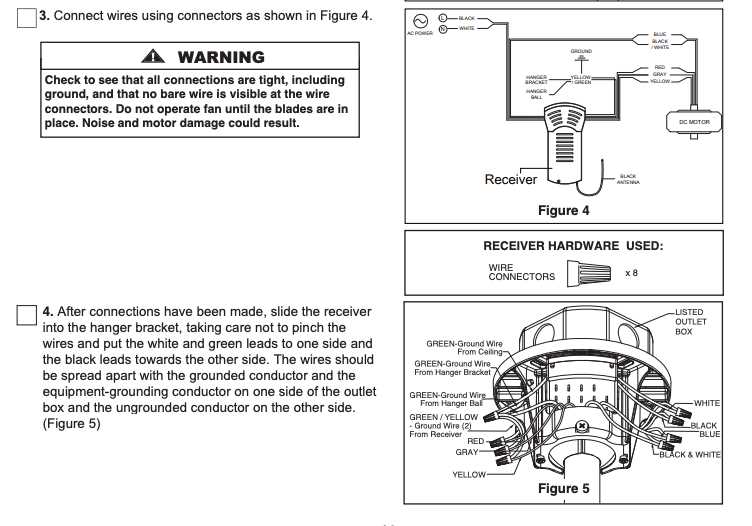
If you’re installing a ceiling fixture that combines both a circulating unit and a bulb, it’s important to understand the right way to connect the power supply. The key is ensuring both components are connected properly, allowing independent control of each function. The most common approach is to use separate switches, one for the circulating unit and another for the bulb.
The power lines should be routed from the main circuit to the junction box where the fixture will be mounted. Inside this box, you’ll find a connection point for both the motor and the bulb socket. It’s crucial to separate the two circuits, so each component gets the correct voltage and can be operated individually. Use appropriate wiring gauges and secure connections to prevent any risk of overheating or short circuits.
Always turn off the main electricity supply before starting any electrical work. Double-check that all the wires are properly insulated and connected to avoid loose or exposed wires. If unsure, consult a licensed electrician to confirm that all connections are done safely and according to local regulations.
Proper Setup of a Ceiling Unit with Ventilation and Illumination
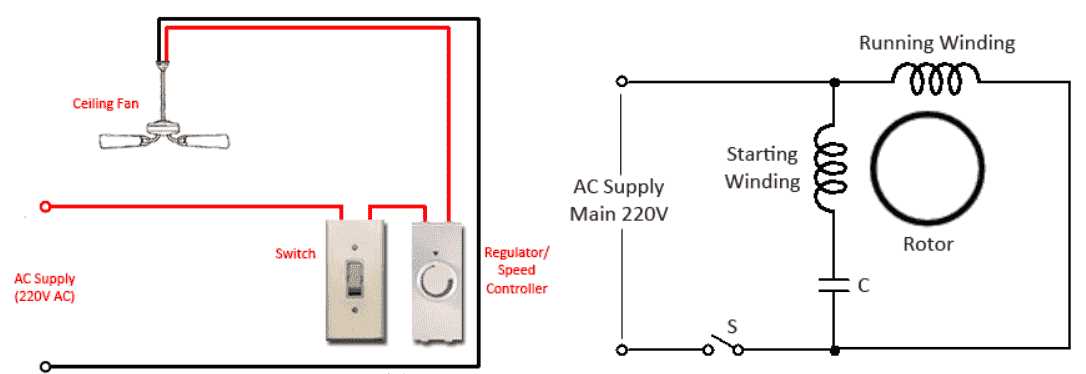
Before beginning the installation, turn off the electrical supply to the area where the unit will be mounted. This ensures safety and prevents any accidental shocks. Use a voltage tester to double-check that the circuit is completely powered down.
The first step in connecting this dual fixture is identifying the main power line, which should be connected to the junction box. The neutral wire will typically be white, while the hot wires–one for the motor and one for the bulb–will be black. Each should be connected to the correct terminal inside the box to avoid cross-wiring.
Separate Switches for Control
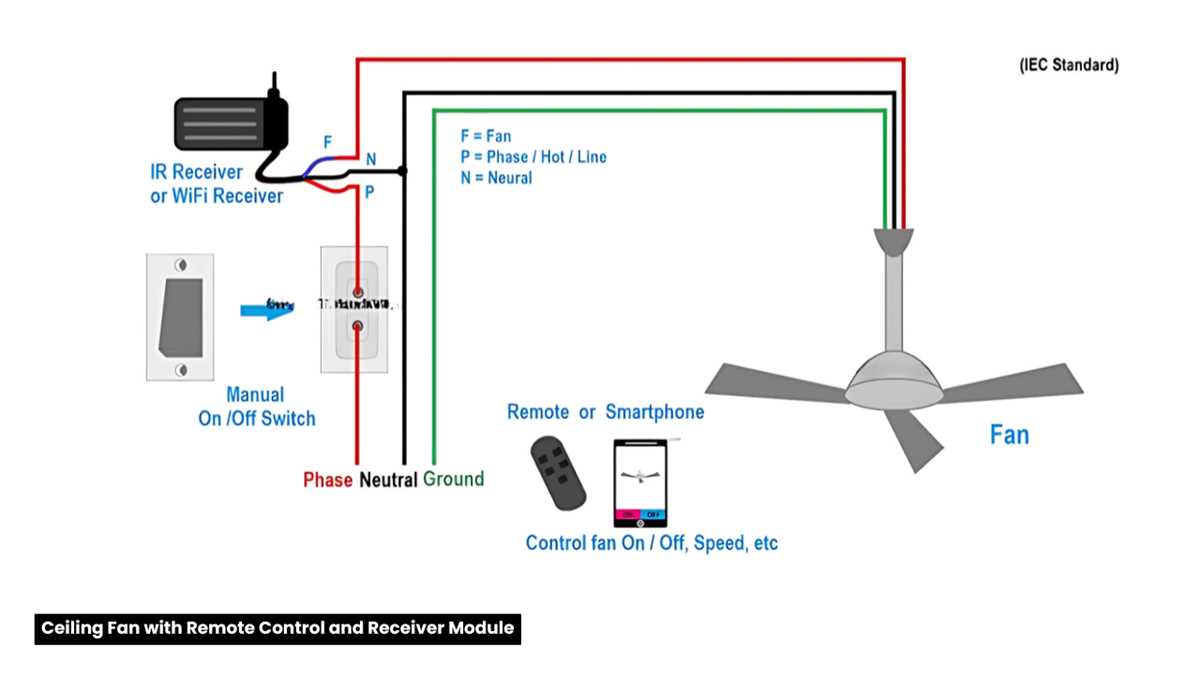
To control both functions independently, it’s recommended to install two separate switches. One will control the motor, and the other will power the bulb. The hot wires from each component should be routed to the respective switches, ensuring that each is wired separately to prevent issues.
- Switch 1: Connects the motor’s power line to the hot wire.
- Switch 2: Controls the illumination circuit, connecting the bulb’s hot line to the electrical supply.
Once the switches are connected to their corresponding wires, they should be secured in the wall box. Make sure that the screws are tightened to avoid loose connections, which could lead to overheating or short circuits. Proper insulation is also key for safety.
Final Assembly and Testing
Once the wiring is complete, mount the unit securely to the ceiling. Check the physical connections to ensure that no wires are exposed or at risk of touching any metal surfaces. Once installed, turn on the electrical supply and test both switches to confirm the proper functionality of both the ventilation unit and the illumination source.
If the unit doesn’t function as expected, double-check the connections at the switches and junction box. Common mistakes include reversed wiring at the switch or incorrect grounding. If issues persist, consider consulting an electrician to ensure that the setup complies with safety codes.
Understanding the Electrical Connections for a Fan with Light
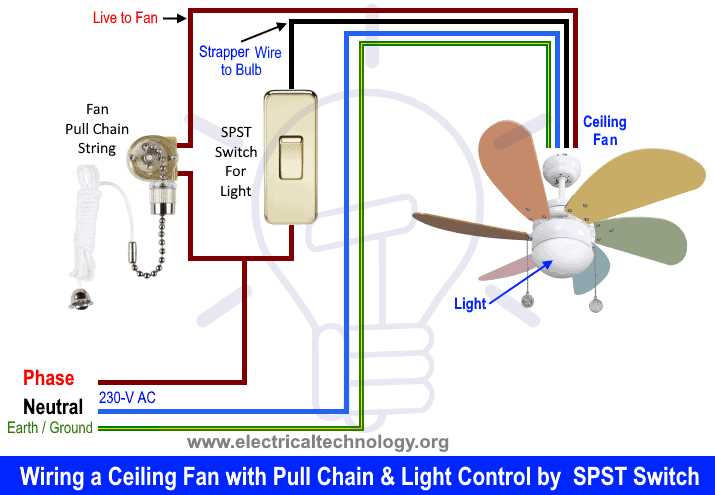
Start by identifying the power lines that will provide electricity to both the ventilation unit and the bulb. Typically, you’ll have three main wires: a black (hot) wire, a white (neutral) wire, and a green or bare wire (ground). The hot wire will carry the electricity to both components, while the neutral wire completes the circuit. Properly isolating the ground wire is critical for safety.
Connecting the Motor and Bulb
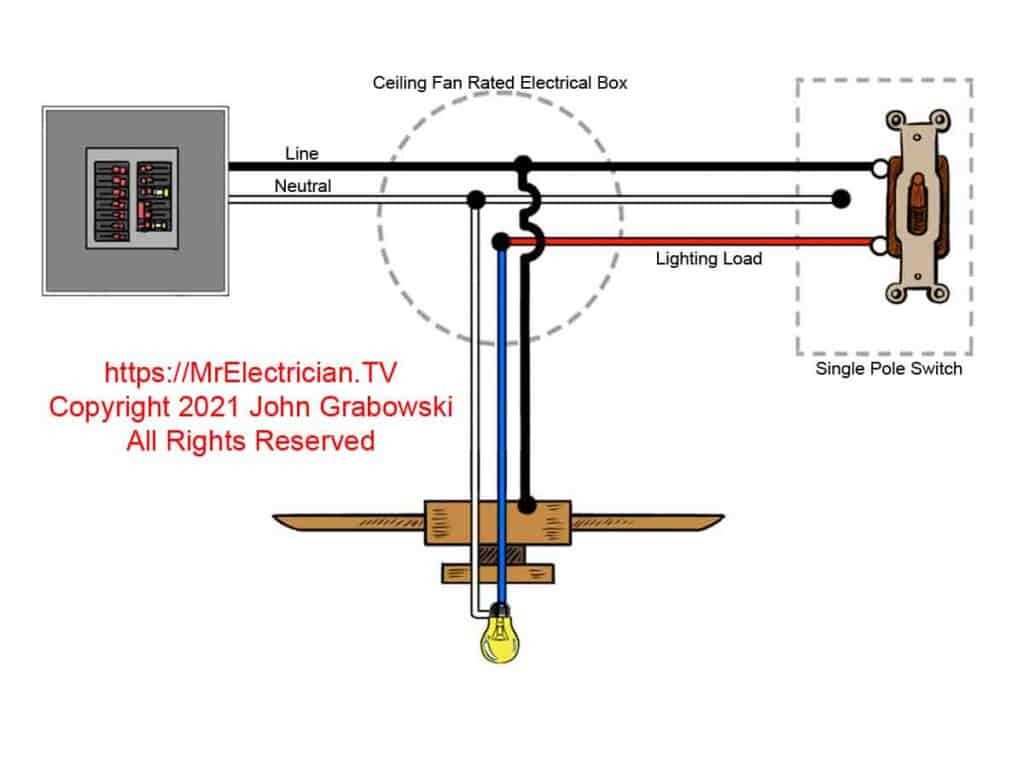
Both the motor and the bulb will need a separate connection to the hot wire. In most setups, a junction box is used to combine the hot line that leads to the motor and the one for the light bulb. Ensure each is securely connected to prevent any short circuits. The neutral wire will typically be shared between the two components and should be connected to both the bulb socket and the motor’s neutral terminal.
After making these connections, test each component by turning the circuit back on. Use a multimeter to verify the current flow to the motor and light. If everything is correctly connected, both should function independently. If any issues arise, double-check the connections at the junction box and ensure the ground wire is properly secured to avoid any electrical hazards.