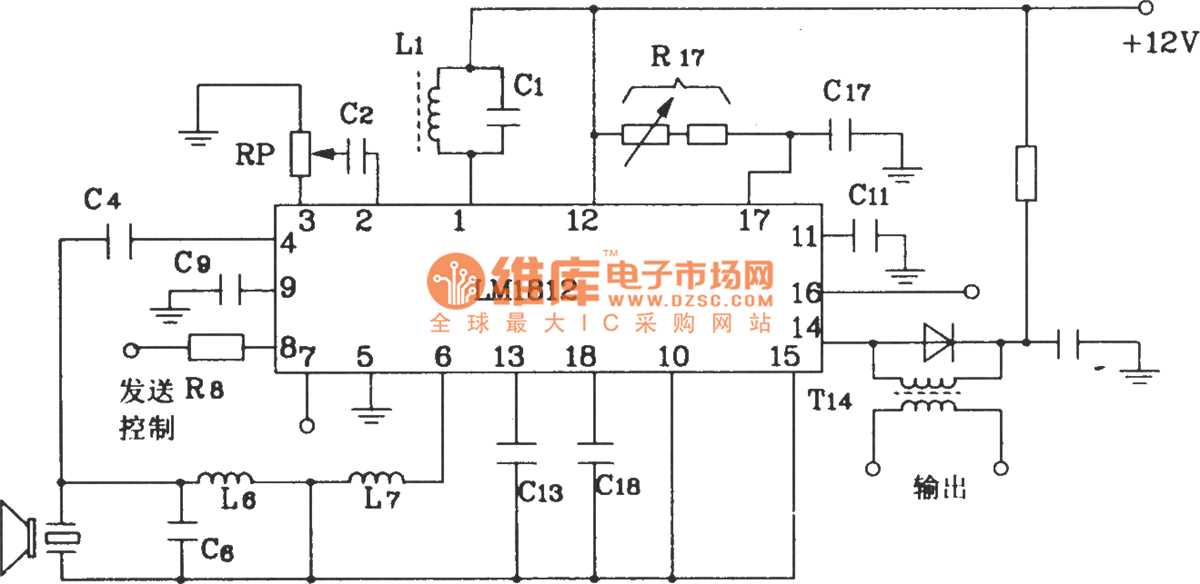
Use a 12-V relay module paired with a vibration sensor and a piezo siren, powered through a 5-amp inline fuse connected to the battery. This arrangement limits current spikes and protects wiring during sudden activation. The sensor output should feed the relay trigger pin through a 10 kΩ resistor, while the relay contacts switch the siren load drawing roughly 0.8–1.5 A. A small toggle or hidden push switch placed between the battery line and the trigger path allows the owner to arm or disable the protection unit without modifying factory wiring.
A practical wiring layout includes three main blocks: detection module, switching relay, and acoustic notifier. The detection unit–often a piezo shock sensor or magnetic door switch–sends a low-voltage signal around 3–5 V to a transistor stage such as a 2N2222 or BC547. This transistor amplifies the signal and energizes the relay coil rated for 12 V and approximately 70–120 mA. Adding a 1N4007 diode across the relay coil suppresses reverse voltage produced when the coil releases, preventing damage to the transistor.
For stable operation inside a vehicle environment, include a 100 µF electrolytic capacitor across the sensor supply. This smooths fluctuations caused by engine ignition noise or accessory loads. Many builders also insert a small delay network using a 47 µF capacitor and a 100 kΩ resistor at the transistor base. The delay keeps the siren active for several seconds after motion detection, rather than producing a short pulse that could go unnoticed.
Mount the sensor near the central body frame rather than inside a door panel. Vibrations transfer through the chassis more consistently at that point, improving trigger reliability. Route power lines using 18-gauge insulated wire, keep signal leads shorter than 30 cm, and ground the system directly to the chassis bolt near the battery terminal. This configuration reduces noise pickup and provides stable triggering whenever unauthorized movement occurs.
Vehicle Security Wiring Schematic
Connect the control module through a fused 12 V line rated between 5 A and 7.5 A and place the fuse within 20 cm of the battery terminal. Power should pass through a relay rated at least 30 A to isolate the control board from ignition spikes. Ground must attach to bare chassis metal with resistance below 0.2 Ω; higher values produce unstable triggering of the siren driver stage and random sensor activation.
A practical electronic protection layout usually contains four functional blocks: power conditioning, sensor processing, logic control, and acoustic output. Voltage stabilization is commonly handled by a 7805 or LM2940 regulator delivering 5 V to the logic section, while transient suppression uses a 1N5408 diode and a 220 µF electrolytic capacitor. Motion or vibration detection often relies on a piezo sensor feeding an LM358 amplifier with gain around 40–60, allowing small body vibrations to generate a logic-level pulse.
Sensor Integration
Door, hood, and trunk switches normally share a negative trigger line connected to pull-up resistors between 4.7 kΩ and 10 kΩ. When any switch closes, the line drops to ground and the controller interprets the event as unauthorized access. For shock detection, many installers place the sensor near the central console because structural resonance spreads impact energy through that area more evenly than near thin door panels.
Ultrasonic interior monitoring uses a transmitter operating near 40 kHz and a matched receiver feeding a comparator such as LM393. Sensitivity adjustment occurs through a 100 kΩ potentiometer that sets the comparator threshold. If interior echo amplitude shifts beyond the set limit, the logic stage produces a trigger signal lasting 200–500 ms, long enough for microcontroller input recognition.
Acoustic Output and Control Logic
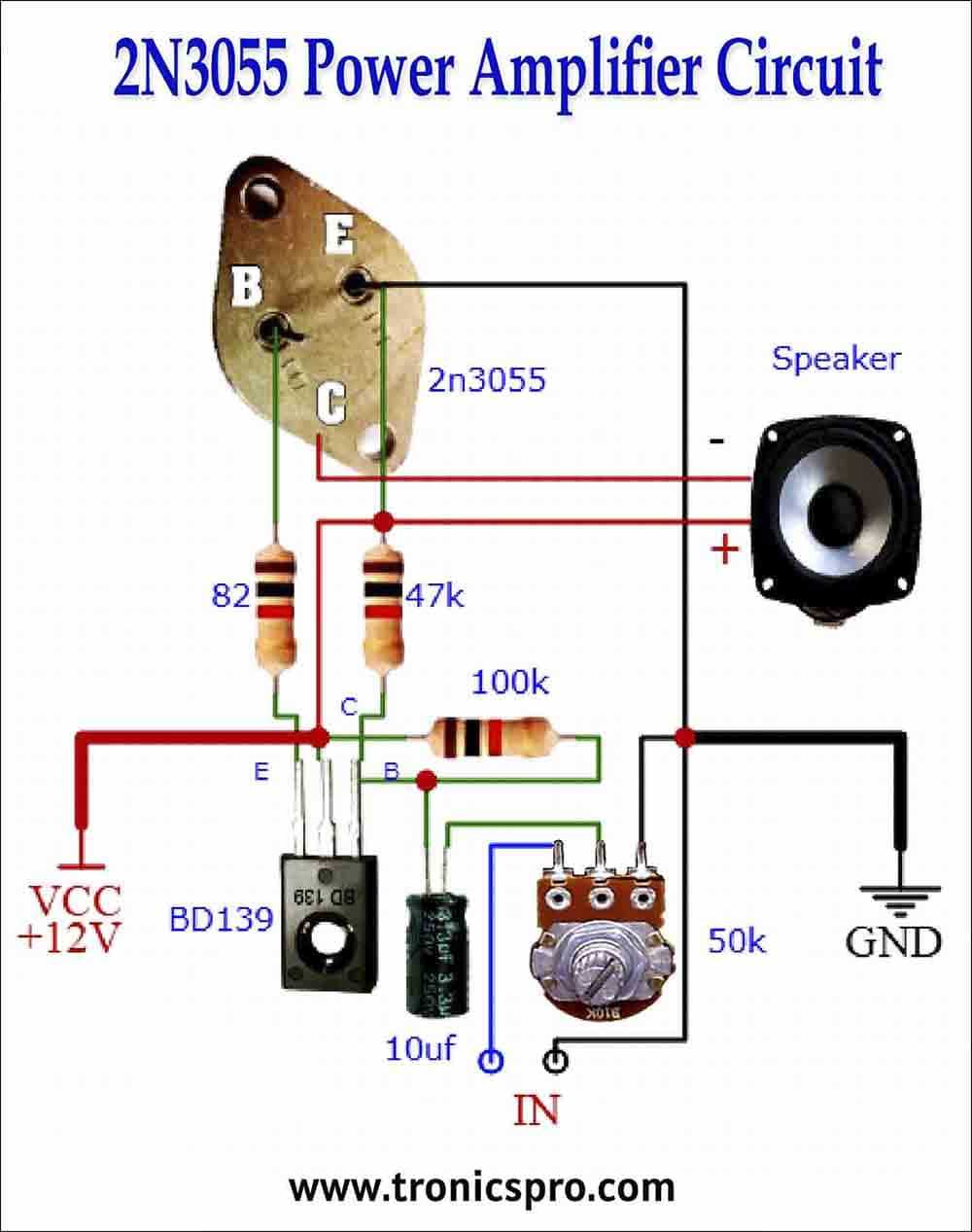
The warning sounder typically draws 1.5–3 A at 12 V. A transistor like TIP122 or a logic-level MOSFET such as IRLZ44N can drive it safely. Gate or base control should include a 1 kΩ resistor, while a flyback diode protects the switching device if the sounder includes an inductive coil. Pulse modulation around 1–2 Hz creates a recognizable warning pattern.
Microcontroller platforms such as ATmega328 or PIC16F628 manage timing, sensor filtering, and arming delays. Firmware usually applies a 20–50 ms debounce period to door inputs and a 10–30 second exit delay after activation. EEPROM storage can retain user codes or sensitivity values so that battery disconnection does not erase configuration.