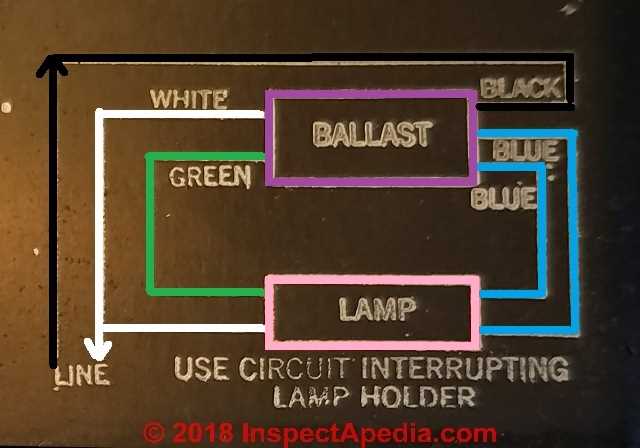
To wire a tube correctly, begin by ensuring that all components are compatible. Check the voltage rating on both the ballast and the lamp to avoid mismatches that could lead to malfunction or damage.
Connect the input wires to the power supply, making sure that the neutral wire is securely fastened to the terminal. Next, connect the live wire to the appropriate terminal on the ballast. Double-check these connections to prevent short circuits.
After securing the power connections, connect the output terminals to the lamp holder. Ensure the wires are tightly secured to avoid loose connections that could cause flickering or failure. If you’re working with a circuit that includes multiple tubes, repeat the process for each one, taking care to maintain consistent wiring across all units.
If you encounter any issues during installation, test the connections with a multimeter to ensure correct voltage flow. Always adhere to safety standards and turn off the power supply before starting any work.
Fluorescent Light Wiring Guide
Before beginning any installation, always verify the voltage specifications of the components to prevent damage. The ballast and lamp must match in voltage, as mismatches can cause malfunction or even failure.
The power input should first be connected to the main circuit. Identify the neutral and live terminals and ensure the correct wire is attached to each one. For safety, use wire nuts to secure these connections tightly and check for any loose ends that might cause a short circuit.
Once the power source is connected, move on to attaching the ballast. This component regulates the flow of electricity and ensures the proper functioning of the lamp. Connect the input terminals of the ballast to the incoming wires, and ensure the output terminals are correctly linked to the lamp holder.
For a multi-lamp setup, wire each unit in parallel. This allows the lamps to operate independently, ensuring that a failure in one unit does not affect the others. When installing, always maintain the same wire colors for consistency and safety.
After wiring the ballast and lamp holder, double-check all connections. It’s easy to overlook a single wire, which can lead to problems down the line. Use a multimeter to verify continuity and voltage before powering the system on.
In case the setup doesn’t work, start troubleshooting by checking each connection. Make sure the ballast is properly wired, and that there are no exposed wires. Also, inspect the lamp for any faults or damage that could prevent it from lighting up.
Once everything is connected and verified, turn the power back on and test the system. If all the lamps light up without issues, the installation is complete. Regular maintenance, like checking the wiring and ballast, will extend the lifespan of the system.
How to Connect Fluorescent Lights to a Power Source
Begin by turning off the main power supply to ensure safety. Disconnect any previous installations and prepare the power wires for connection. You’ll need to attach the live and neutral wires to the appropriate terminals on the ballast.
Attach the neutral wire from the power supply to the neutral terminal on the ballast. This terminal is typically marked with an “N” or a blue color. Ensure the connection is tight and secure to prevent accidental disconnection later on.
Connecting the Live Wire
Next, connect the live wire from the power source to the live terminal of the ballast. The live terminal is often marked with an “L” or a red color. This wire provides the necessary current for the system to operate correctly. Again, make sure the connection is firm and insulated to avoid short circuits.
Once the live and neutral wires are connected, check all terminals to make sure there are no exposed wires. If using wire nuts, twist them tightly to ensure no loose connections exist.
Final Checks Before Powering On
Double-check the wiring for any signs of damage, such as frayed wires or loose terminals. Use a multimeter to test for continuity and ensure proper voltage flow through the system. Once verified, switch on the power supply to check the installation.
If the system is correctly wired, the tube should activate immediately. If there is no response, turn off the power and revisit the wiring process to check for any missed connections or faults in the system.