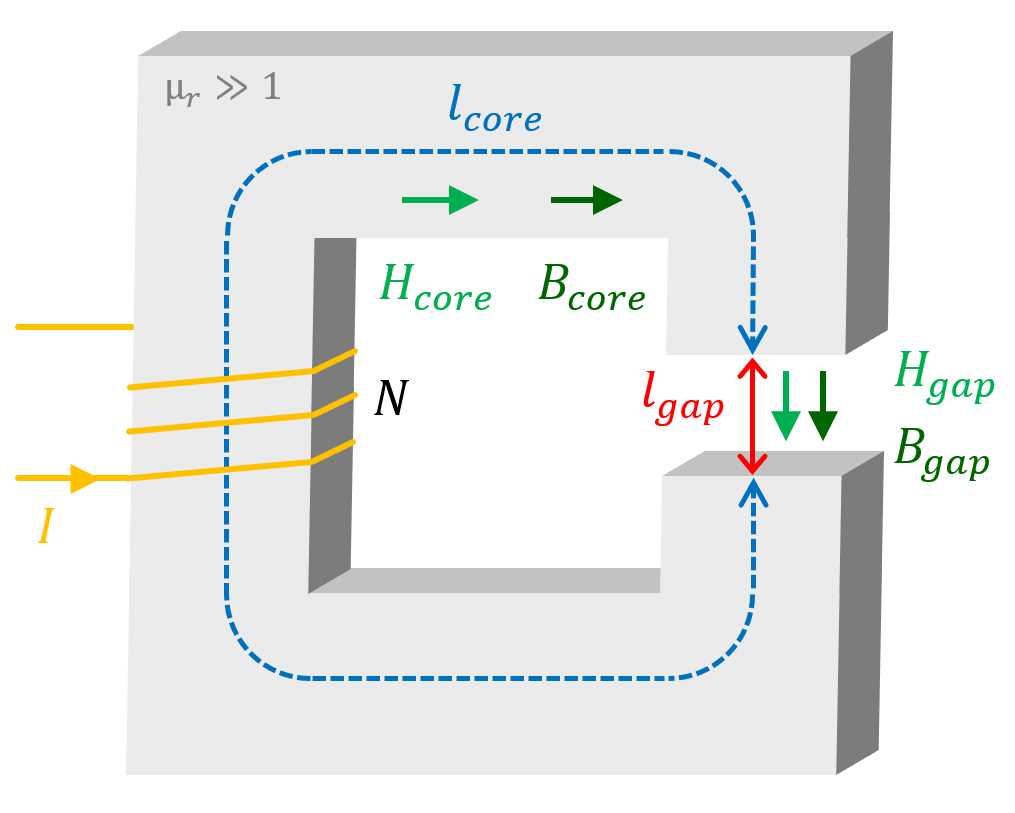
Use high-permeability iron or laminated steel cores to minimize energy loss and reduce flux leakage. Ensure all coil turns are evenly distributed to maintain uniform field strength and prevent hot spots during operation.
Measure the reluctance of each path before applying full voltage. Check for gaps or air spaces that can increase resistance and lower overall performance in inductive components.
Secure all conductors with insulated clamps to avoid movement under vibration. Maintain consistent spacing between adjacent coils to prevent unwanted coupling and interference between loops.
Monitor the flux density using a gaussmeter to confirm that field lines follow the intended core geometry. Adjust the number of turns or cross-sectional area if readings indicate saturation or uneven distribution.
Loop Connections and Core Analysis
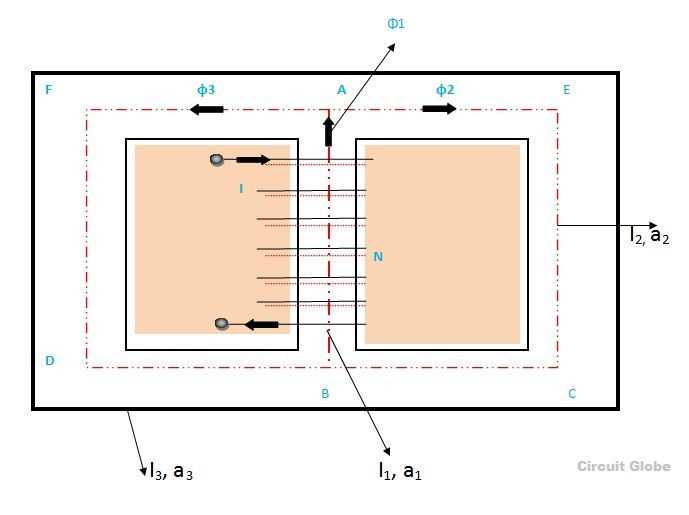
Verify all coil terminals for continuity before applying power. Measure resistance across each winding to detect shorted turns or broken strands that could compromise field strength.
Inspect the core material and assembly for gaps or misaligned laminations. Even small air gaps can significantly increase reluctance and reduce flux transfer efficiency. Use a feeler gauge to check uniform contact along the core joints.
Arrange the coils and paths to minimize leakage and mutual interference.
- Place primary and secondary windings concentrically if possible
- Maintain consistent spacing to prevent hot spots
- Use insulating sheets between layers for high-current applications
Secure connections with clamps or solder to maintain mechanical stability under thermal cycling.
Measure the effective flux using a gaussmeter or hall sensor. Adjust turns or core cross-section if readings indicate saturation in high-density regions. Document all measurements for repeatability and troubleshooting in future assemblies.
Identifying Core Materials and Their Permeability
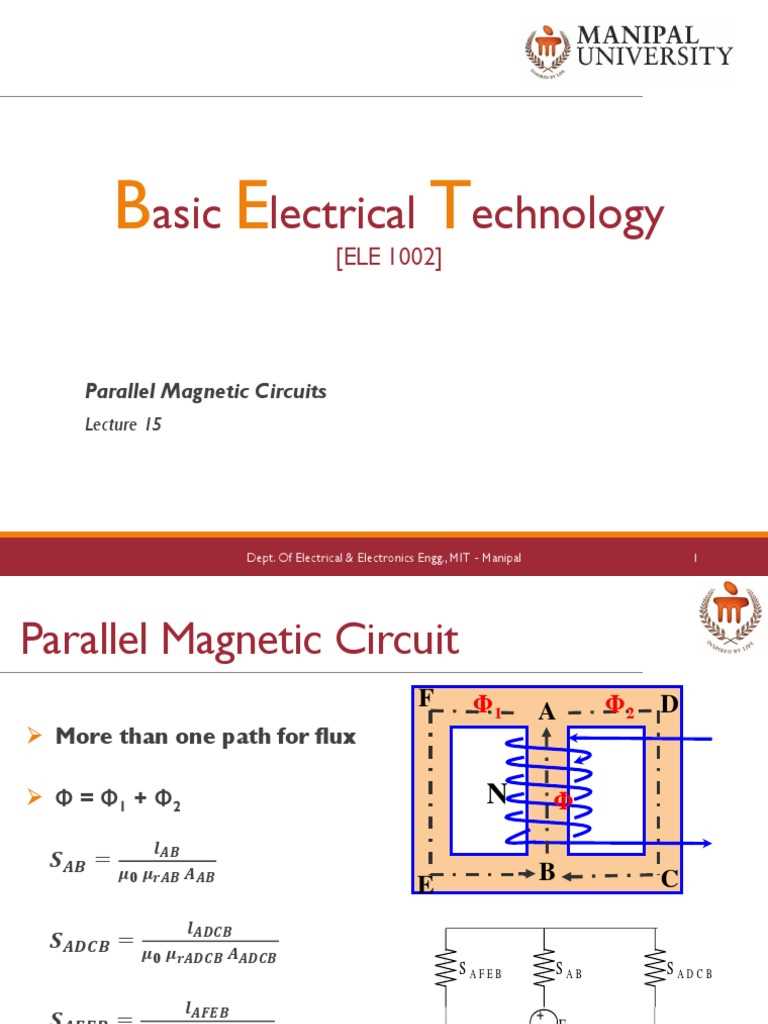
Select soft iron or silicon steel for low-loss applications. Check the relative permeability to ensure the core can guide the field efficiently without saturating under rated current.
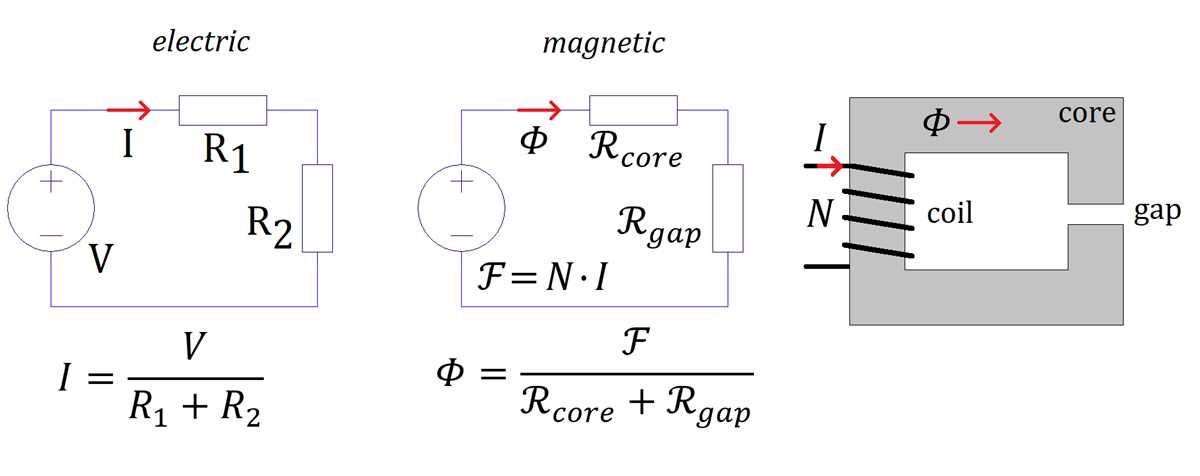
Laminated sheets reduce eddy currents in alternating applications. Stack layers carefully to maintain uniform flux distribution and prevent hotspots along the path.
For high-frequency loops, consider ferrite cores. Their low conductivity and high initial permeability minimize energy dissipation while maintaining strong field confinement.
Measure the B-H curve for each material sample. Plot flux density against applied magnetomotive force to evaluate saturation levels and permeability changes under different operating conditions.
Core geometry affects effective permeability. Check cross-sectional area and path length since these dimensions directly influence reluctance and the overall efficiency of flux transfer.
Temperature impacts core performance significantly. Materials with low thermal drift maintain stable permeability over a wide range, preventing unexpected saturation or losses during prolonged operation.
Document material type, permeability value, and observed losses for every assembly. This data allows comparison between materials and supports selection for future designs with higher power or frequency demands.