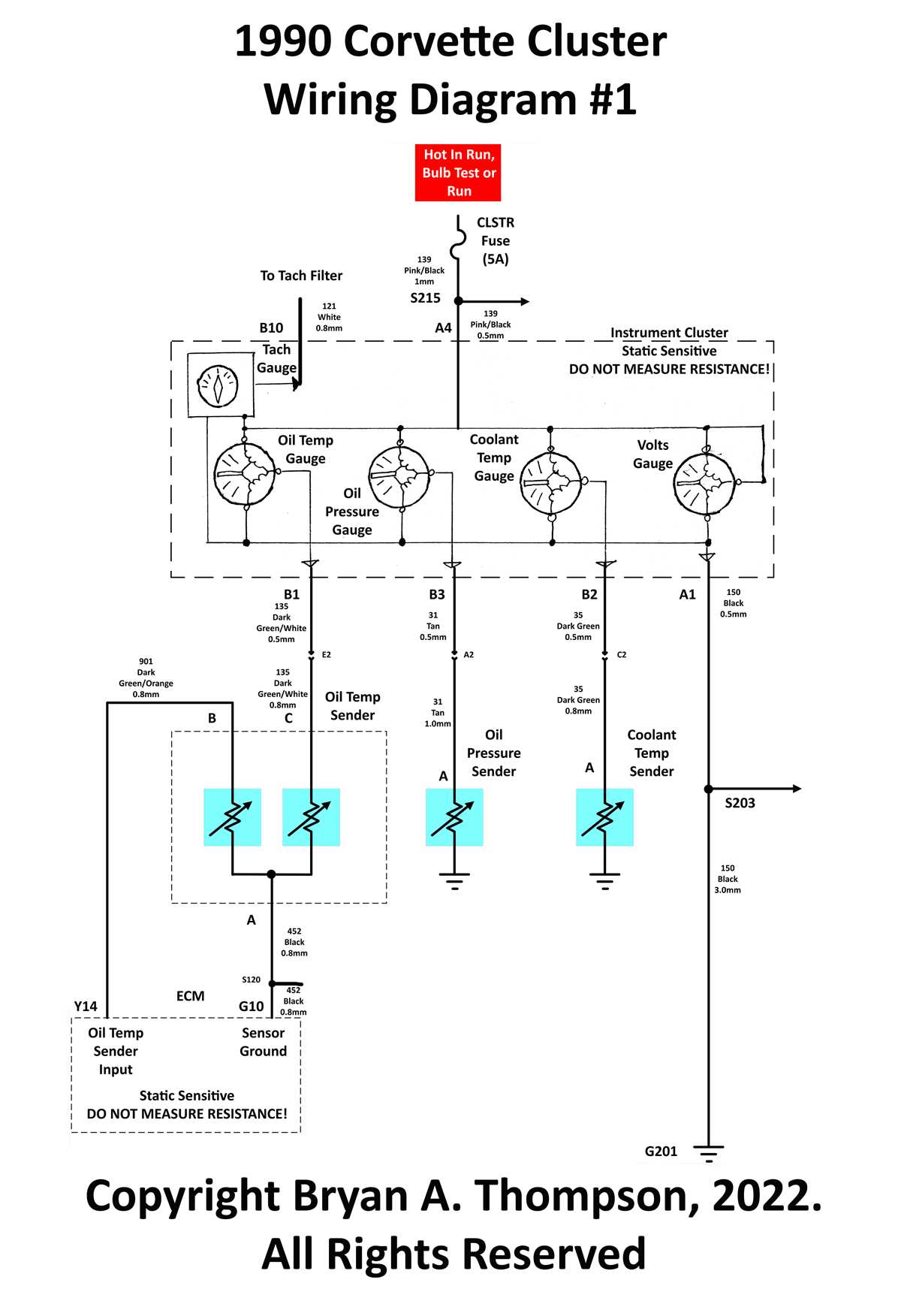
Check all main power sources and ground points before performing any repairs to prevent shorts and ensure stable operation. Use a digital multimeter to verify voltage levels at the battery terminals and chassis grounding points.
Label each cable and connector according to its function to simplify troubleshooting later. Pay attention to color codes and terminal markings, as they indicate polarity and circuit purpose.
Inspect connectors for corrosion or loose pins that could cause intermittent failures. Replace any damaged terminals and apply dielectric grease to protect from moisture and oxidation.
Document connections visually with photos or sketches while disassembling components. This helps maintain correct routing and prevents misplacement during reassembly.
Verify lighting, ignition, and accessory circuits individually by testing continuity and load capacity. Ensure fuses match recommended ratings to avoid overheating or damage to components.
Electrical System Overview and Connection Guide for Classic Pickup
Start by inspecting the main power distribution points including the battery terminals, fuse block, and ignition switch connections. Ensure that all connectors are tight, free from corrosion, and properly labeled for polarity. Use a multimeter to confirm voltage consistency across critical circuits before attaching auxiliary components.
Follow the routing of major harnesses and accessory connections carefully to prevent short circuits or signal interference. Document any changes during installation and test each subsystem, such as lighting, gauges, and ignition, individually to confirm proper functionality and avoid overloading fuses or relays.
Identifying Main Power and Ground Points in Classic Pickup Electrical Systems
Locate the primary battery terminals first and verify their condition. Clean any corrosion from both positive and negative posts, and ensure that cable connections are tight to maintain stable voltage delivery across all electrical subsystems.
Trace the main power feed from the battery to the fuse block, checking for secure connectors and unbroken insulation. Note any aftermarket modifications that could alter current flow or overload original components.
Identify ground straps connecting the engine block to the chassis. Ensure each strap is free from rust and has full metal-to-metal contact to prevent intermittent electrical faults and sensor errors.
Check chassis grounding points near suspension mounts and under the cab floor. These points are critical for maintaining consistent return paths for lighting circuits and starter relay operation.
Verify alternator output connections and ensure the positive cable routing does not rub against moving parts. Proper clamping prevents insulation damage that could cause shorts or voltage drops under load.
Inspect ignition and accessory grounds behind the dash and near fuse holders. Tighten any loose screws and clean contact surfaces to prevent flickering gauges or malfunctioning switches during operation.
Document all verified main power and ground points with notes or photos for future maintenance. This record simplifies troubleshooting and reduces the risk of misconnecting components when performing electrical repairs or upgrades.