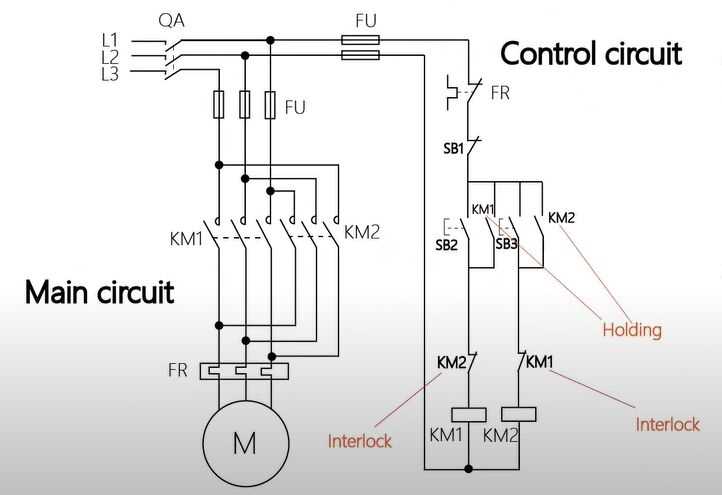
Connect each phase directly to its designated terminal using properly rated conductors. Ensure that the supply voltage matches the nameplate specifications to prevent overheating and reduce the risk of electrical faults.
Check terminal labels carefully before making connections. Misidentifying U, V, W leads can reverse rotation and damage connected machinery. Use a continuity tester to verify correct linkages before energizing the system.
Choose between star and delta configurations according to the operating voltage and load requirements. A star setup reduces starting current for high-power installations, while delta allows full line voltage for continuous heavy-duty operation.
Secure all fasteners and clamps to prevent loosening from vibration. Loose connections can generate excessive heat and lead to insulation failure or tripping of protective devices.
Perform a no-load test after completing connections. Measure voltage and phase balance at each terminal to confirm proper distribution and verify that rotation aligns with mechanical specifications.
Three Phase Connection Guide for Reliable Operation
Connect each lead to its corresponding terminal with properly rated conductors. Verify voltage and current ratings against the nameplate to avoid overheating and ensure consistent performance under load.
Determine the appropriate configuration between star and delta. Use a star connection for reduced starting current in heavy equipment, while a delta configuration allows full line voltage for continuous high-load operation.
Secure all clamps and terminals to prevent loosening from vibration. Loose connections can cause excessive heat, insulation damage, or protective device trips, reducing the lifespan of the unit.
Check rotation direction after energizing. Swap any two phases if rotation is opposite to mechanical requirements. Proper rotation prevents stress on mechanical components and ensures optimal torque delivery.
Perform load testing and monitoring under controlled conditions. Measure phase balance, current draw, and temperature to confirm reliable operation. Regular inspections reduce the risk of unexpected shutdowns or faults.
Identifying Terminals and Power Supply Connections
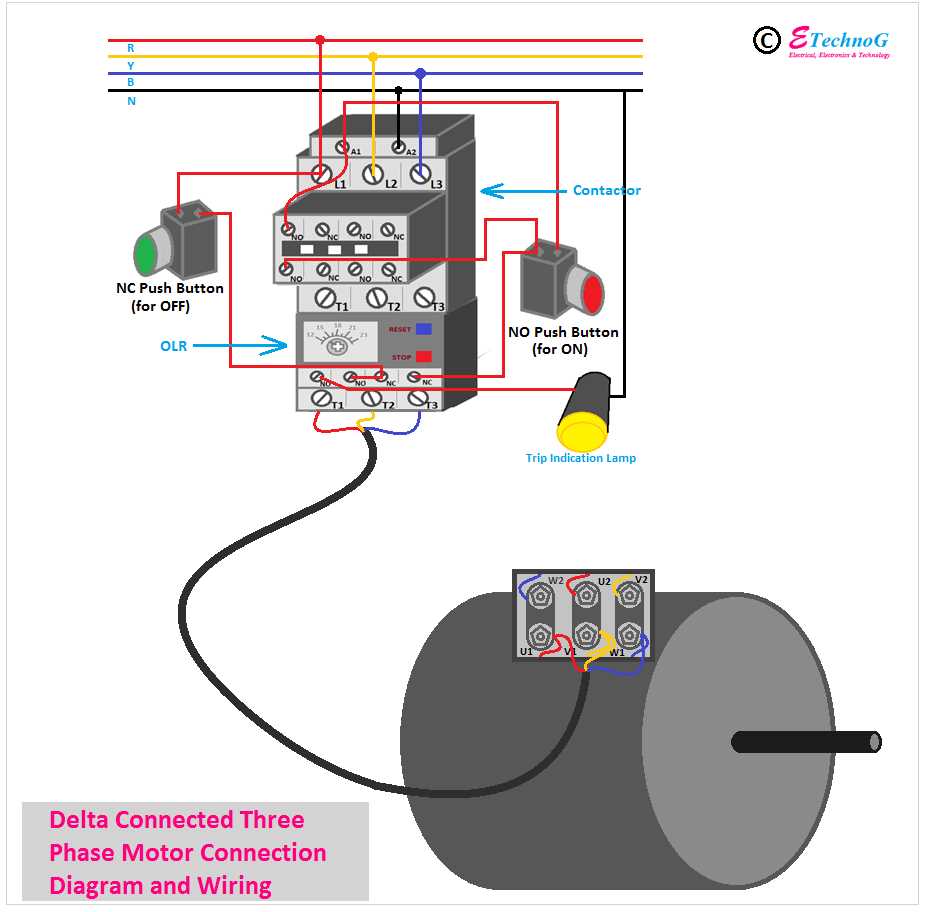
Label each terminal clearly before making connections to avoid confusion. Match each phase to its designated input point, ensuring voltage compatibility with the equipment nameplate. Incorrect connections can lead to overheating or short circuits.
Use proper protective devices such as fuses or circuit breakers for each supply line. Verify grounding points to prevent potential shock hazards and reduce electromagnetic interference, maintaining safe and stable operation under continuous load.