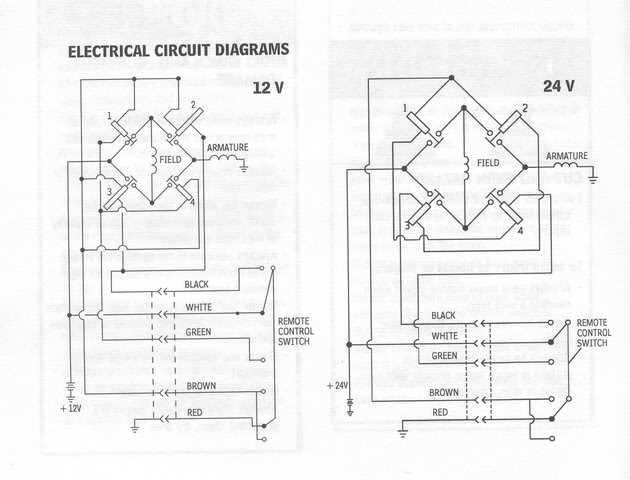
Connect the positive lead directly to the battery’s main terminal using a cable rated for at least 4 AWG. Avoid routing through thin fusible links that may overheat under high load. Ensure the terminal clamp is tight and free of corrosion to maintain consistent current flow.
Install the negative cable on a clean metal surface of the frame, close to the mounting point of the device. Using a dedicated ground instead of shared chassis connections reduces voltage drops and prevents intermittent performance under heavy strain.
Control switches should be placed within easy reach and connected with insulated wires rated for the full amperage of the motor. Shield the wiring from sharp edges and moving parts to prevent abrasion and short circuits, which could damage the electrical assembly.
Include a fuse inline with the power supply close to the battery. Select a fuse slightly above the operational current but below the threshold that could damage the motor or solenoid. This simple addition prevents catastrophic failure and increases the lifespan of the unit.
Route all cables along existing wiring harnesses when possible, securing them with durable zip ties. Avoid tight bends near connectors and ensure separation from high-heat areas like exhaust manifolds to maintain consistent performance and reduce the risk of insulation breakdown.
Badland Winch Wiring Diagram
Connect the red lead directly to the positive terminal of the battery and secure it with a 10mm nut. Avoid routing through auxiliary switches unless rated for 300 amps continuous. Use a terminal boot to prevent accidental shorts against the chassis.
The black conductor must attach to a solid ground point on the frame, ideally near the battery. Loose connections can create voltage drops that reduce pulling power and cause heat buildup in the motor housing.
Relay placement influences operational safety. Position the solenoid as close to the motor as possible to minimize line resistance. Keep control wires separated from high-current lines to prevent signal interference during spool-in or spool-out cycles.
Include a fuse inline with the main positive feed. A 250-amp automotive fuse is recommended for units rated at 12 volts with 3,000–4,000 lbs capacity. Never bypass the fuse even for temporary testing, as thermal damage to the coil can occur within seconds.
Remote control leads should connect using crimped terminals, avoiding twist-on connectors. Run these wires through a flexible conduit to protect against abrasion, especially near suspension components. Label both ends for quick troubleshooting.
Double-check all connections before initial operation. Verify voltage at the motor terminals under no-load conditions, ensuring a drop no greater than 0.5 volts from the battery. Excessive loss indicates poor contact or undersized cabling, which can reduce lifespan and compromise reliability in demanding pull scenarios.
Identifying Positive and Negative Connections on Your Pulling Device
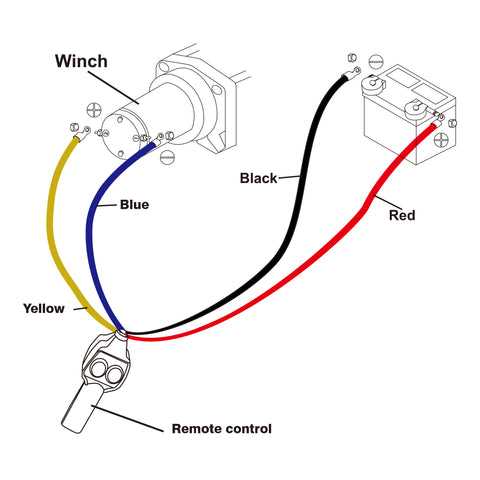
Locate the heavy-gauge terminals on the motor assembly and inspect the color of the insulation: red indicates the direct current supply, while black marks the return path. Ensure all clamps are clean and free from corrosion before making any attachments.
Trace the thick cables from the control switch to the motor housing. The positive lead usually connects to the solenoid side labeled with a plus symbol, whereas the negative is mounted to the frame or battery negative post. Tighten all nuts to avoid arcing under load.
Check for stamped indicators on the metal tabs near the connection points. Many units use “+” and “–” markings for polarity. If these are worn off, measure voltage with a multimeter: the lead showing battery voltage relative to chassis ground is the positive conductor.
Using Protective Covers and Insulation
Slide protective boots over exposed lugs to prevent accidental shorting. Confirm that the positive lead is insulated separately from any metallic parts of the device, and ensure the negative conductor has a secure grounding path directly to the chassis or negative terminal.
Testing Before Operation
Activate the remote or switch for a brief interval without a load. Observe that the drum or spool spins in the correct direction, confirming polarity. Reverse connections immediately if the motor reacts opposite to expected motion, then retighten all fasteners for safe use.