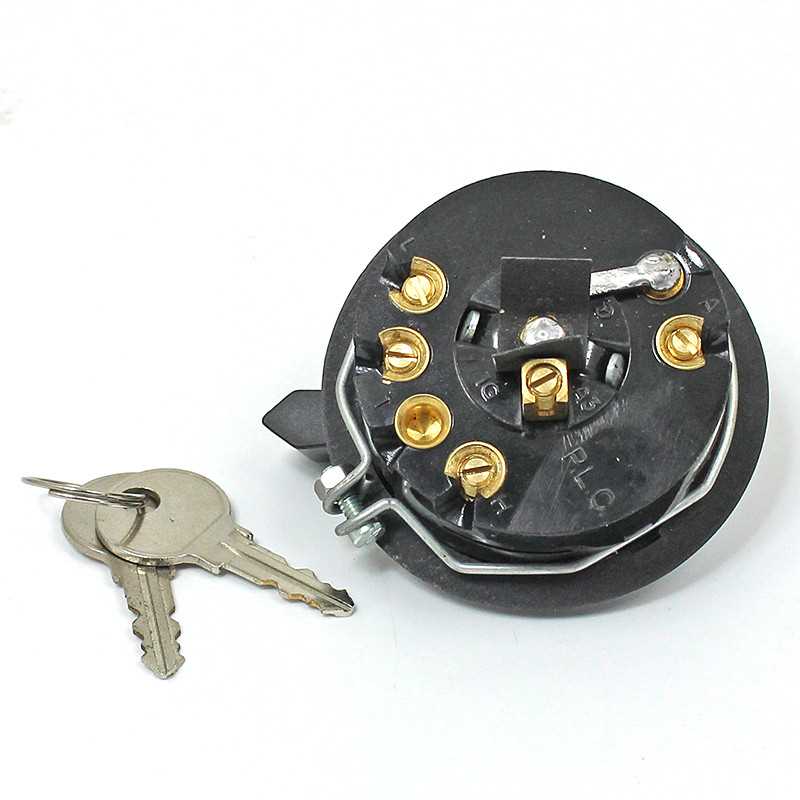
Start by identifying the correct terminals on your key control device and ensure the proper connection to the power source. The first step involves connecting the positive terminal of the power supply to the main input terminal of the control system. This provides the necessary voltage for the entire mechanism to function.
Next, connect the output terminal from the control device to the relay, ensuring that the wires are tightly secured and insulated. The relay will manage the power flow to the engine, allowing the system to function when activated. Make sure you are connecting the correct relay to the appropriate terminal for smooth operation.
For optimal performance, check the integrity of all connections. Loose or improperly connected wires can cause intermittent failures. Ensure that the connections to the starter, battery, and ground are tight and properly insulated to prevent short circuits or power loss.
Finally, perform a test by turning the key to the “on” position and ensuring that the system responds correctly. If the device fails to power up, retrace your steps and verify that all connections are secure and correctly placed. Proper wiring will ensure your system works reliably and efficiently over time.
Wiring the Key Control System for Your Vehicle
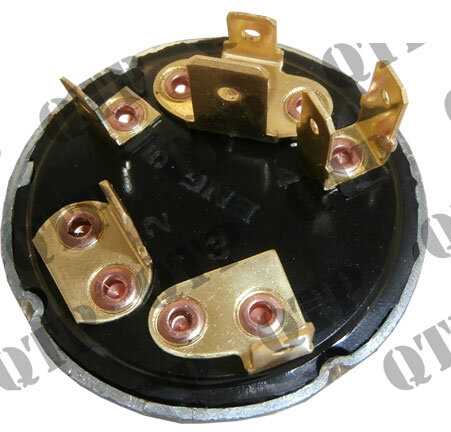
Start by ensuring that you have the correct wiring harness for your control system. Identify the power source terminals, typically located on the back of the key control unit. These terminals will provide the necessary voltage to activate the components of your system. Connect the positive terminal of the power supply to the designated input terminal on the control device, and the negative to the grounding terminal. This ensures proper current flow throughout the system.
The next step involves connecting the relay, which plays a crucial role in managing the electrical current to the lock mechanism. The relay allows the control device to trigger the lock without directly powering it. Attach the output terminal from the control unit to the relay’s input. From there, connect the relay’s output to the mechanism itself, ensuring the correct polarity for proper operation.
Once the relay is connected, it’s important to check for the proper routing of wires. Wires should be securely attached to terminals to avoid loose connections that could cause the system to fail. Make sure each wire is free from corrosion and that the insulation is intact to prevent accidental short circuits.
After the initial connections are complete, you should verify that the system is grounded correctly. The grounding is essential for the safe operation of the entire electrical setup. Attach the grounding wire from the mechanism to a reliable ground point on the vehicle’s chassis. This will ensure that the circuit operates without interference.
To test the setup, turn the key to the ‘on’ position. You should hear the relay activate, and the lock should engage. If the system does not work as expected, check all connections for any loose or improper wiring. Additionally, verify the voltage levels using a multimeter to confirm the system is receiving the correct amount of power.
If the system is not engaging, check the relay for proper operation. Relays can wear out over time, and if the unit is defective, it may prevent the system from functioning correctly. Replace the relay if necessary, and test the system again.
Once all connections have been double-checked and the system is operating as intended, ensure the wiring is securely routed away from moving parts, such as the steering column or pedals, to avoid accidental damage. The final step is to cover the exposed wiring with protective insulation to prevent wear from environmental factors such as heat or moisture.
Understanding the Wiring Components of the Ignition Switch
When setting up the key control unit, it is vital to first understand the main components that are involved in its electrical operation. Start by identifying the power input terminal. This is where the current enters the system, providing the necessary voltage to activate the control device and subsequent components.
Next, locate the relay, which is used to transfer current to the lock mechanism. The relay is an intermediary that prevents the control unit from directly supplying power to the lock. Instead, the control unit activates the relay, which in turn powers the lock. The relay typically has three main terminals: one for the power input, one for the trigger signal from the control unit, and one for the output to the mechanism.
The ground wire is another critical component in the system. It completes the circuit, ensuring that the electrical flow can return to its source. A strong, reliable ground connection ensures safe operation and prevents electrical interference or instability in the system.
Each terminal on the control unit and relay is designed for specific functions. Therefore, it’s important to connect each wire to the correct terminal. Incorrect wiring can cause malfunctions or prevent the system from working entirely. Always double-check the wiring diagram to confirm that the connections are correct.
For safety, ensure that all wires are adequately insulated. Wires that come into contact with metal surfaces or moving parts can short-circuit or cause other electrical issues. Use high-quality insulation and secure the wiring to prevent damage over time.
The starter solenoid is also an important part of the system, responsible for engaging the starter motor when the ignition is activated. It is usually connected to the battery, providing the initial power to turn the engine over. It’s crucial that the starter solenoid is properly wired to both the control unit and the battery.
After completing the wiring, it’s important to test the system thoroughly. Use a multimeter to check that the correct voltage is reaching each component, especially the relay and the locking mechanism. Any deviation from the expected voltage levels could indicate an issue with the connections or a faulty component.
Finally, ensure that all connections are secure and that no wires are loose or exposed. Use cable ties or clips to keep the wiring organized and prevent it from getting caught in moving parts. Properly routed and secured wires will improve the longevity of the system and prevent future issues.