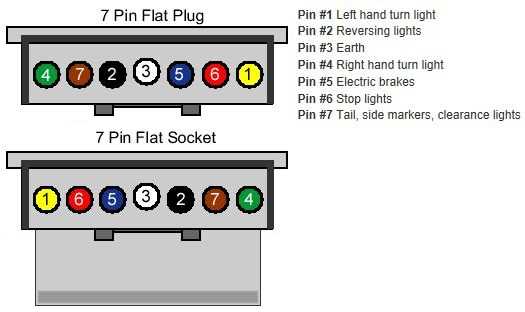
Connect the auxiliary beam arrays directly to a 12V power source using a fused terminal rated at 10A. Ensure each segment has a dedicated ground wire attached to the chassis to prevent flickering or voltage drops during operation. Twist-on connectors or heat-shrink terminals provide a reliable joint and protect against corrosion in moist conditions.
For sequential arrangement of multiple modules, maintain a maximum spacing of 18 inches between junction points. This spacing reduces voltage loss and guarantees uniform brightness across the entire assembly. Use multi-core cabling with at least 16 AWG for runs longer than 15 feet to preserve current integrity.
Integrate a switch with a built-in relay if controlling more than 60 watts per circuit. This prevents overheating at the actuator and isolates the main control panel from high loads. Inline fuses should always be placed near the power source, while weatherproof connectors safeguard against short circuits caused by water exposure.
Route wiring along structural beams, avoiding areas near moving parts or exhaust elements. Secure with nylon clamps at intervals not exceeding 12 inches to minimize vibrations and wire fatigue. Label each branch at junction points to facilitate maintenance and future expansion of the illumination network.
Trailer LED Lights Wiring Diagram
Connect the positive terminal of the main power source to the input of the illumination system using a 14-gauge conductor for short distances under 10 feet. For longer spans, upgrade to 12-gauge to prevent voltage drop and flickering.
Integrate a fused junction near the battery to protect each branch of the signal network. Use a 10-amp fuse for side indicators and a 15-amp for brake indicators to match standard current draw ratings.
Run separate conductors for directional indicators, running lamps, and brake illumination. Avoid combining signals on a single path, as this may cause erratic behavior and uneven brightness across the array.
Use weatherproof connectors with silicone seals at every junction point. This prevents corrosion from moisture or road salt, extending operational reliability for multiple seasons.
Maintain a consistent ground path by attaching the negative conductors directly to the metallic frame. Scrape paint at attachment points to ensure low-resistance contact; a poor ground often results in intermittent flickering.
Color Coding Recommendations
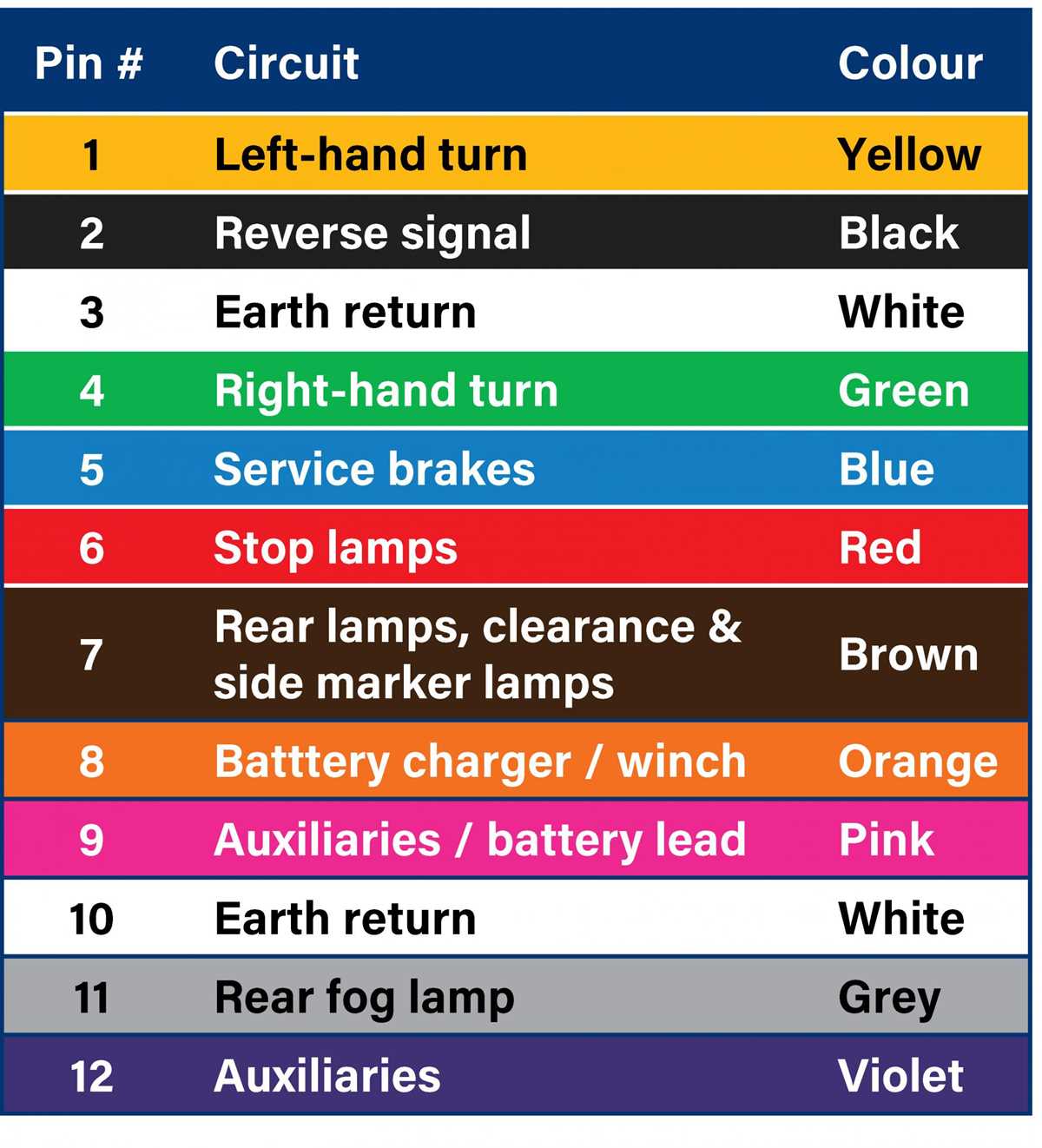
Assign green to right-side signals, yellow to left, brown for steady glow, and white for return path. Document the layout with a small chart near the power source to simplify troubleshooting later.
When routing along structural beams, secure the lines with UV-resistant clips every 12 inches. Avoid tight bends and sharp edges to reduce insulation wear and accidental short circuits during motion.
Testing and Maintenance
After completing connections, energize each circuit individually. Use a multimeter to verify voltage at each terminal and inspect for uneven brightness. Periodic checks every 3–4 months prevent unnoticed failures and maintain consistent performance.
Identifying Wire Colors and Their Functions
Red conductors generally carry power to the braking system of a vehicle attachment. Connect these to the stop signal terminal to ensure proper activation when the pedal is pressed.
Brown cables are typically used for tail illumination. These should link to the low-intensity bulbs to maintain visibility during nighttime or low-light conditions.
Green lines usually correspond to the right directional indicators. Verify the connection with a tester before final attachment to avoid reversed signaling on the road.
Yellow strands are associated with left turn signals. Use insulated connectors to secure these, preventing accidental shorts that can disrupt the signaling circuit.
Auxiliary Functions and Grounding
- White wires almost always serve as the grounding path. Attach them directly to the metal frame to create a stable circuit reference.
- Blue conductors may handle auxiliary circuits such as electric brakes or power outlets. Ensure proper amperage rating to avoid overloading the line.
Black cords often supply constant 12V power from the towing unit. These are best fused near the source to protect against accidental surges.
Orange and purple strands sometimes appear for clearance or marker lamps. Label each clearly before installation to prevent mixing signals with primary circuits.
Testing each conductor with a multimeter ensures that the correct function matches the expected color. Record each connection in a checklist for maintenance or troubleshooting.
Twisting paired signal wires can reduce interference. Keep routing paths short and separated from high-current lines to maintain consistent illumination and signaling.
Heat shrink tubing or waterproof connectors protect exposed terminations. Moisture infiltration can cause corrosion, leading to intermittent or failed operation over time.