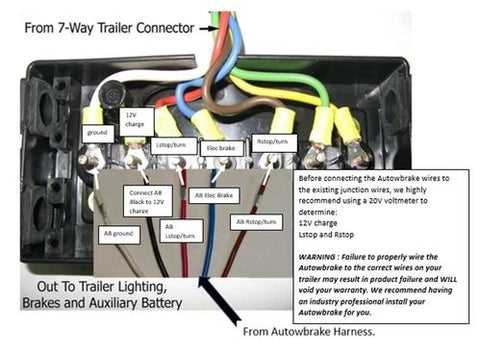
Align the control module’s output directly with each axle’s actuator terminals to prevent signal loss and uneven deceleration. Use a color-coded wire scheme: blue for activation, white for ground, green for left signal, and yellow for right signal. Ensure crimps and connectors are rated for 12-volt circuits to avoid overheating during sustained operation.
Route conductors along the frame rails, avoiding sharp bends and heat sources like exhaust pipes or engine compartments. Secure with non-abrasive clips every 18–24 inches to minimize vibration-induced wear. For multi-axle units, parallel connections with fused leads of 20–30 amps each maintain consistent actuation across all wheels.
Test the control signal at the actuator pins before final assembly. A handheld meter should read near battery voltage when the controller engages. Any significant drop indicates resistance in connectors or wire gauge too thin for the current draw. Correct sizing prevents delayed response and uneven stopping force.
Include a fused inline connector within 12 inches of the power source to protect both the module and the actuators. Use marine-grade wiring in exposed sections to resist moisture and corrosion. For units with integrated lights, separate circuits for braking and illumination prevent interference and ensure reliable signaling to following vehicles.
Braking System Connection Layout
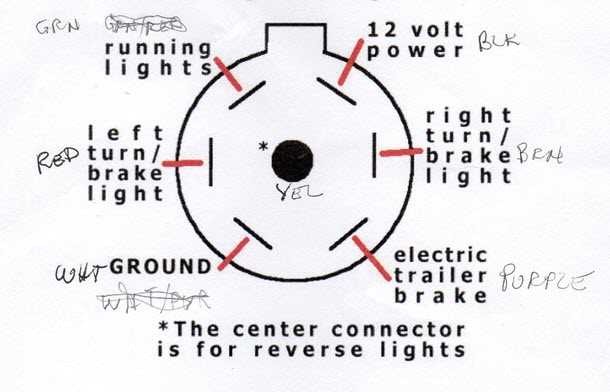
Connect the control module’s output directly to the actuators on each wheel using 12-gauge stranded wires. Ensure the polarity matches: the positive lead attaches to the activation terminal, while the negative lead grounds to the chassis. Install inline fuses rated at 15 amps within 6 inches of the power source to prevent shorts. Route the cables along existing frame channels, securing with non-conductive clamps every 12 inches to avoid chafing or exposure to heat from the exhaust.
Step-by-Step Assembly
- Mount the braking controller near the towing vehicle’s dashboard for easy access and adjustability.
- Use color-coded connectors to differentiate the left and right actuator circuits; blue for left, green for right, and black for ground.
- Test each actuator individually before finalizing the harness to verify responsiveness and prevent cross-circuit interference.
- Seal all junction points with dielectric grease and heat-shrink tubing to protect against moisture and corrosion.
- After installation, perform a full system trial under load conditions, ensuring consistent stopping force and no overheating of wires or connectors.
Identifying Trailer Brake Wire Colors and Functions
Connect the blue conductor directly to the control module; it powers the activation coil for stopping mechanisms. Green typically carries the signal for tail lights, while brown handles ground connections to the chassis. White is always dedicated to the common negative, ensuring a stable return path. Red may appear on dual-axle setups, supplying secondary stopping circuits for additional wheels.
Verify each line with a multimeter before linking to the receptacle. Mixing the yellow and blue leads can trigger uneven engagement, causing wheel wear. Mark wires with colored tape matching their role if factory labels are missing. Some units include a purple line for auxiliary functions like electric locks or charging circuits, which should never connect to the main control path.