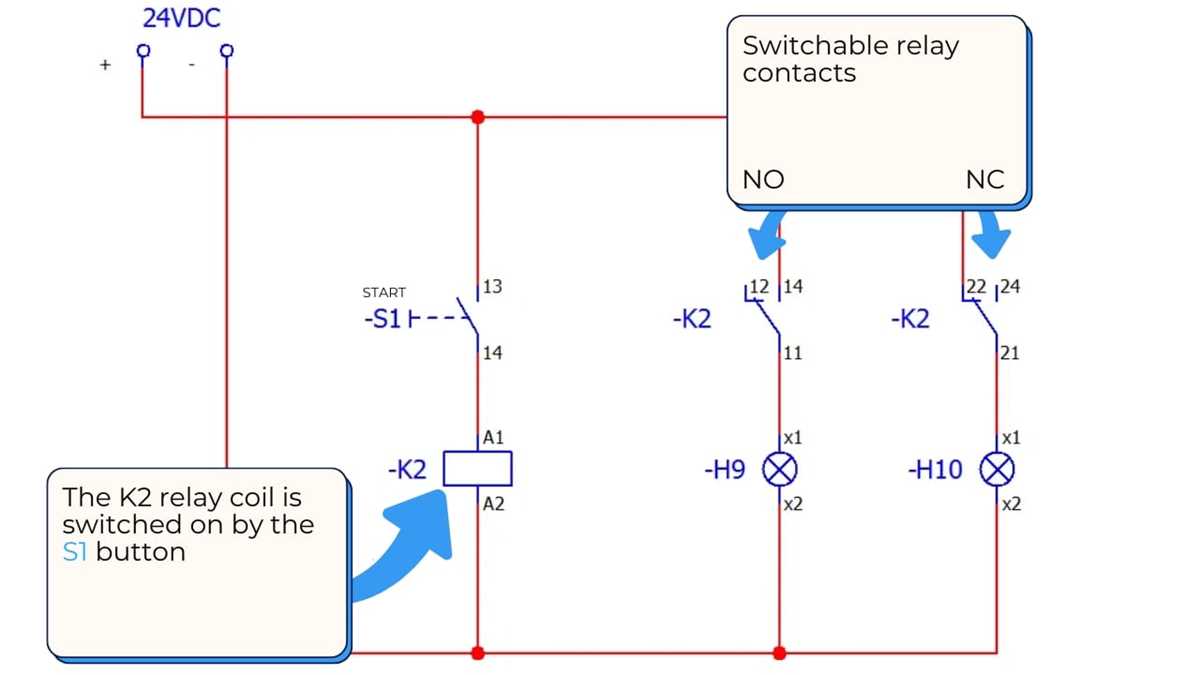
To begin interpreting circuit layouts, focus on identifying the key symbols used to represent components. Each element, whether a switch, power source, or connector, has its own specific symbol. Learning these basic representations is crucial for understanding how various parts of the system are linked together.
Next, trace the flow of current by following the lines that connect each component. These lines represent wires, and they indicate the path the electrical current takes through the system. Pay attention to any changes in the wiring path, as they often denote changes in the system, like a junction or a switch.
Another important step is recognizing the role of each component in the circuit. For example, a resistor will often have a distinct marking, and its placement can tell you how the circuit is designed to regulate current flow. Identifying each component’s function in the layout will help you understand how the system works as a whole.
Understanding an Electrical Circuit Layout
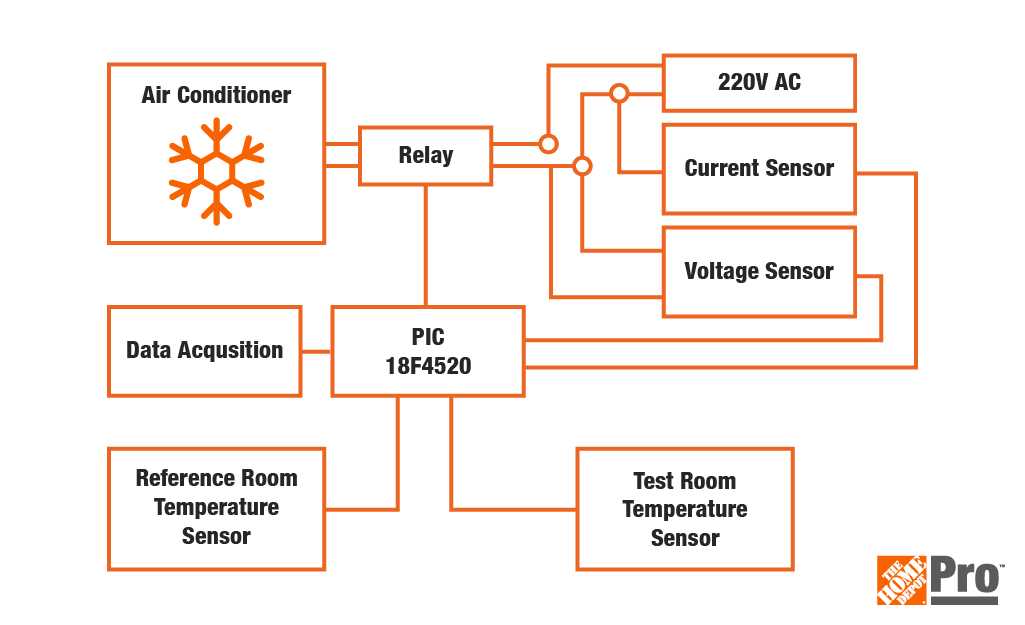
Begin by identifying the symbols used for each component. For instance, a battery is represented by two parallel lines, one longer than the other. A switch typically appears as a break in the circuit with a toggle symbol. Familiarizing yourself with these key symbols will allow you to quickly recognize the components in a layout.
Next, focus on the connections between components. These are shown by lines, indicating how the elements are wired together. If the line has a dot where two lines intersect, it indicates a connection point, ensuring current flows between the connected components.
Check for any junctions or branches in the circuit, where multiple paths may diverge. This is crucial for understanding how the current is distributed throughout the system. These junctions will be shown as multiple lines meeting at a single point, with branches extending from them.
Pay attention to the direction of current flow, often indicated by arrows. Understanding the flow of electricity is important for troubleshooting and determining the sequence in which components are activated or deactivated.
Identify the power source, usually marked with a plus (+) and minus (-) sign, showing the positive and negative terminals. From here, the current is routed through the system, powering the components in sequence. Ensure the connections to the power source are correct to avoid malfunction.
If a component is missing or malfunctioning, the layout can help identify where the issue might lie. For instance, if a switch isn’t closing properly, you’ll see a gap in the wiring path. Similarly, a broken connection will cause the current flow to stop at that point.
Lastly, always refer to the legend or key provided with the schematic. This will explain the specific symbols and notations used in that particular system. Cross-referencing the diagram with the key ensures you fully understand how each part of the system is designed to function.
Understanding the Symbols and Notations in Wiring Diagrams
Start by learning the basic symbols that represent the key components in a system. A power source is typically shown as two parallel lines, with the longer line representing the positive terminal. A ground connection is often depicted as a line that branches downward into a set of three horizontal lines, symbolizing a direct path to the earth.
Switches are illustrated as a break in the line with a toggle symbol. A simple on/off switch will appear as a small circle connected to two lines, with a diagonal line indicating the open or closed state. If there are multiple switches, they will be represented with variations of this symbol to indicate different control types.
Resistors are drawn as a jagged line, often with a value marked next to them. Capacitors are represented by two parallel lines, sometimes with one line curved, showing their role in storing energy. Inductors are typically shown as a series of loops, illustrating their function in generating a magnetic field when current flows through them.
Diodes, such as light-emitting diodes (LEDs), are represented with a triangle pointing toward a line, with an arrow showing current flow in one direction. These symbols help in identifying the direction and nature of current flow throughout the circuit, which is crucial for troubleshooting or planning new connections.
Lines connecting components indicate the flow of current or signals. A continuous line typically represents a conductor or wire, while a dashed line may indicate a connection that is not physically present but used for reference or control. Pay attention to the type of lines used, as they can indicate whether the connection is a direct path or requires external control.
Lastly, be sure to consult the legend or key included with the schematic. The key provides a guide to all the symbols and notations used, which can vary between different manufacturers or systems. Having a solid understanding of these symbols will allow you to easily follow and interpret any wiring plan.