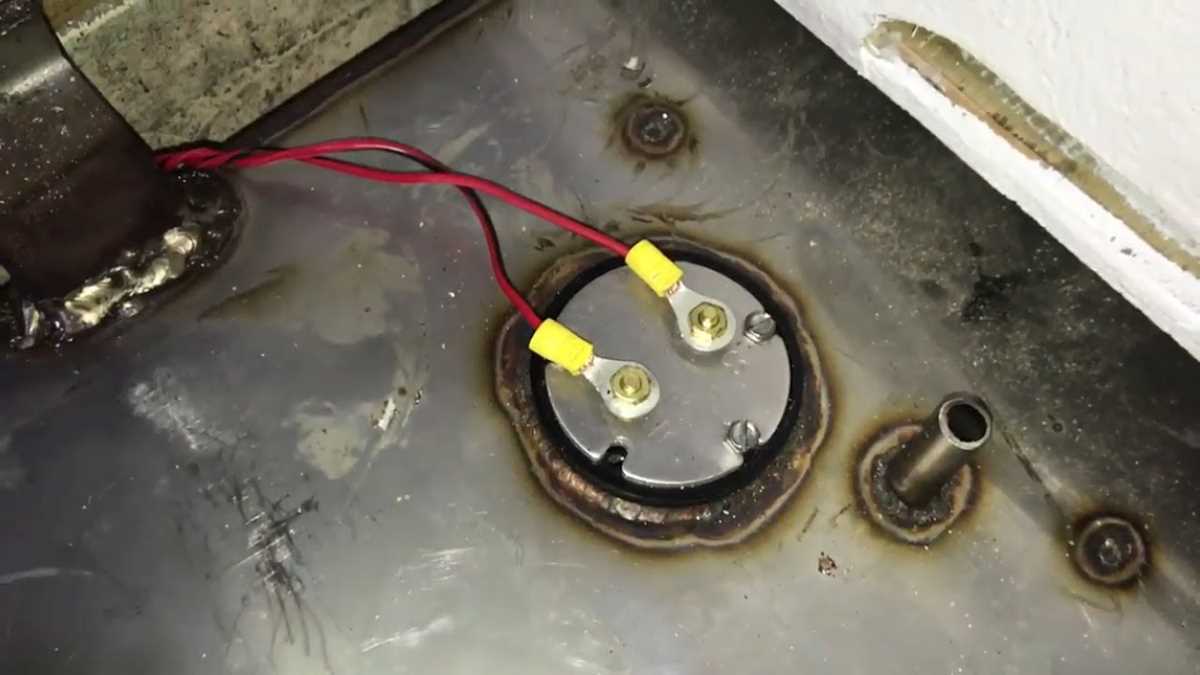
Ensure accurate readings by connecting the monitoring system to a stable 12V power supply. Proper grounding is key to avoid interference and prevent malfunction. Use a dedicated fuse to protect the circuit from overloads or short circuits, ensuring the entire system functions safely.
Correct installation of the sending unit is another vital part of the setup. Position it according to manufacturer specifications to ensure it measures liquid levels accurately. Be sure to use high-quality connectors that resist corrosion, especially in marine environments, to avoid poor contact or damage.
Check the connections regularly for wear or corrosion. The environment can be harsh, so make sure to clean the terminals and ensure all connections remain tight. For troubleshooting, verify the resistance of the sending unit and the power supply to pinpoint any issues with signal transmission or power loss.
12V Monitoring System Setup for Your Vessel
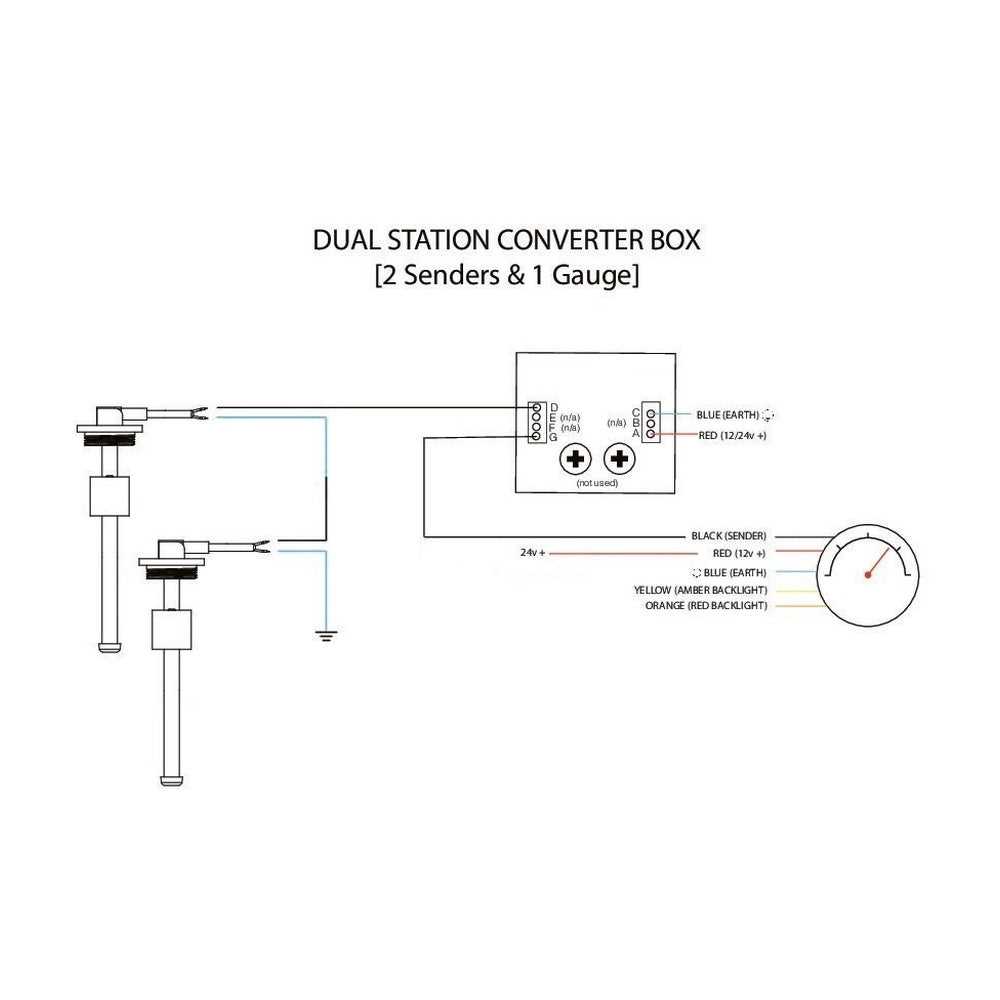
To begin, connect the power input wire to a reliable 12V source on your electrical panel. Use a fuse rated appropriately for the system to safeguard against power surges. This will ensure that your device receives consistent power without risk of damage due to overloads.
The next step involves linking the measurement unit to the sender. The sender’s resistance will fluctuate based on liquid levels, sending a signal to the system. Secure this connection with high-quality, corrosion-resistant terminals to prevent degradation in saltwater conditions.
Ensure the ground wire is securely connected to a clean, non-painted metal surface on the vessel’s frame. This will reduce the risk of electrical interference, which can lead to inaccurate readings or malfunctions. Avoid using shared ground points to prevent cross-signaling between different systems.
It’s crucial to check the integrity of the connectors regularly. Over time, salt buildup and humidity can cause corrosion, so consider periodic inspection and cleaning. If connectors appear worn or damaged, replace them immediately to maintain reliable performance.
If you experience intermittent readings, verify that the sender is correctly calibrated. The sender should match the specifications outlined by the manufacturer to ensure it operates within the desired range. Incorrect calibration can result in misleading data, leading to incorrect assessments of liquid levels.
Lastly, troubleshoot any signal loss by testing the wiring for continuity using a multimeter. If there is a break in the circuit or a weak connection, it will be reflected in the system’s performance. Repair any faulty segments and recheck the system to confirm it’s operating smoothly before use.
How to Connect the Monitoring System to the 12V Power Source
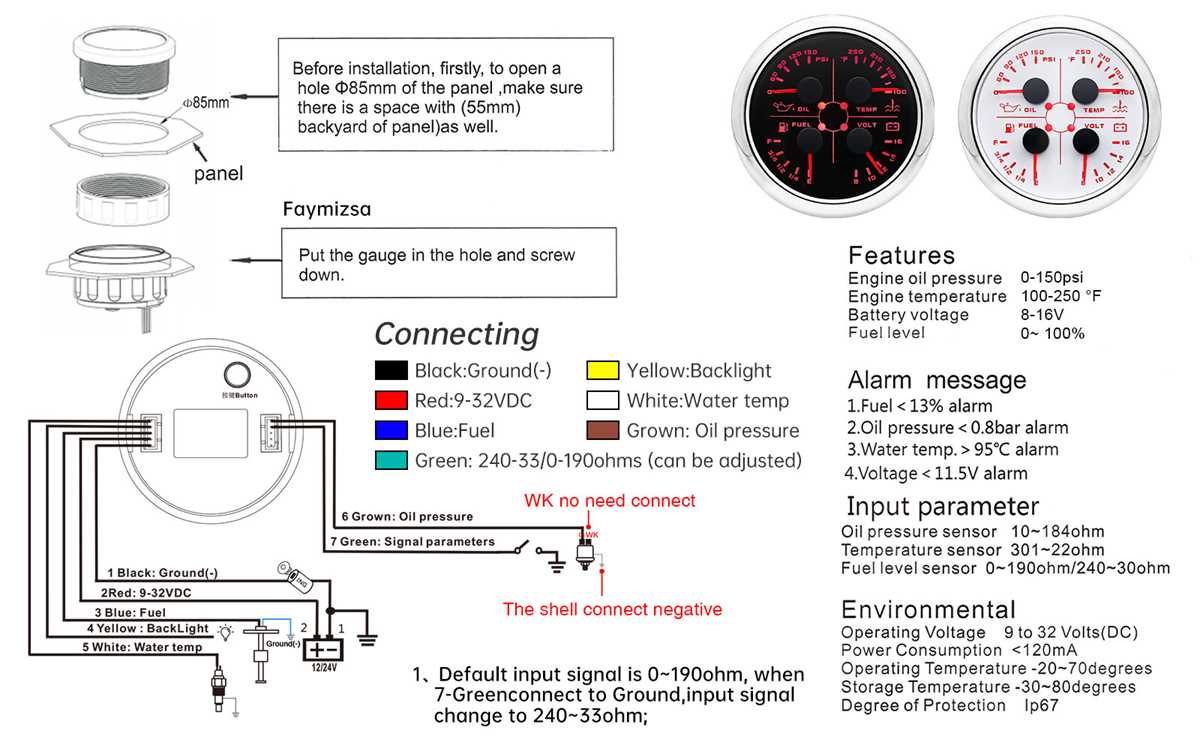
Begin by selecting a stable 12V power point on the vessel’s electrical system. It’s best to use a dedicated circuit to avoid overloading. Attach the power lead from the system to the positive terminal of the power source using a secure connector, such as a ring terminal or a spade connector. Ensure the connection is tight to prevent power loss or accidental disconnections.
Next, install a fuse or circuit breaker rated for the system’s amperage. This will protect the entire setup from damage due to electrical surges or shorts. The fuse should be placed as close to the power source as possible to provide maximum protection, typically within 6 inches of the connection point.
Finally, check the continuity of the connection using a multimeter to ensure the system is receiving a steady current. If there is any fluctuation or instability in the power flow, recheck the connections and make adjustments as needed to maintain a consistent power supply for accurate readings.