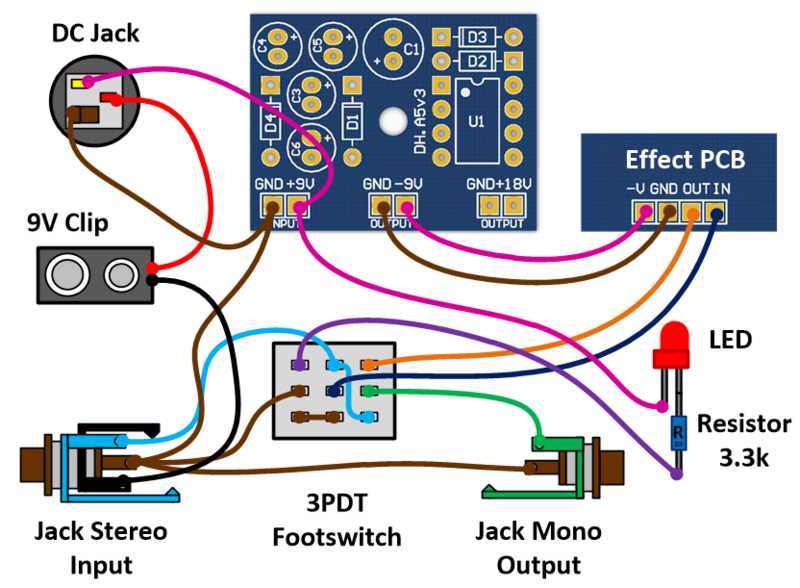
Connect the input jack directly to the first transistor stage to maintain signal clarity and prevent unwanted noise. Use a high-value resistor to limit current and protect the transistor while preserving the dynamic range of your instrument. Ensure all connections are solid and solder joints are clean to avoid intermittent distortion and signal dropouts.
Install diodes in the feedback loop to shape the harmonic content and achieve a warm, saturated sound. Adjust the placement and orientation carefully, as minor changes can dramatically alter the clipping behavior and overall tonal character. Test different diode types like silicon or germanium to compare softness and harmonic richness in the output signal.
Incorporate tone control components by linking capacitors and potentiometers between stages to fine-tune frequency response. Smaller capacitor values will emphasize higher frequencies, while larger values retain more low-end warmth. Experiment with resistor-capacitor ratios to balance brightness and body, ensuring the effect blends naturally with other instruments in a mix.
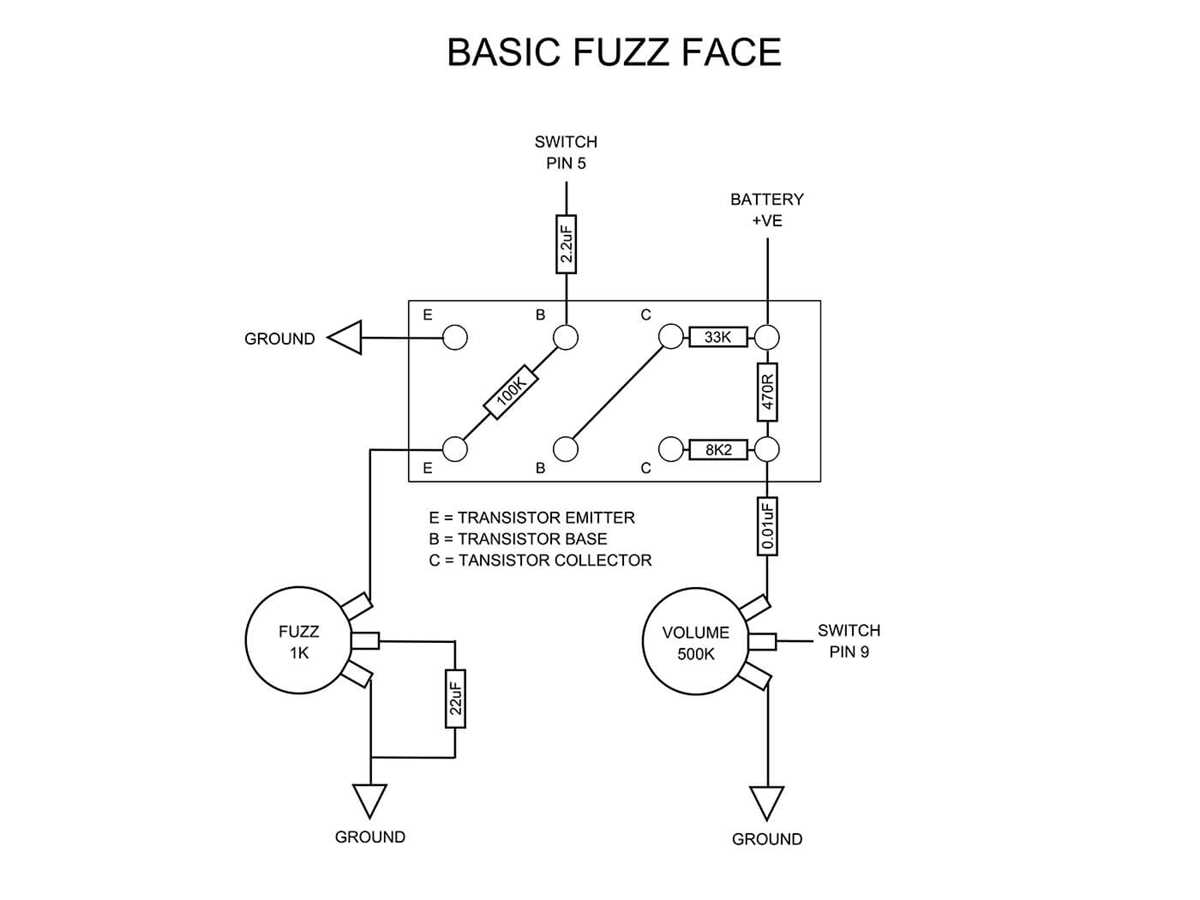
Guide Explaining Components Signal Flow and Tone Shaping in Distortion Effect
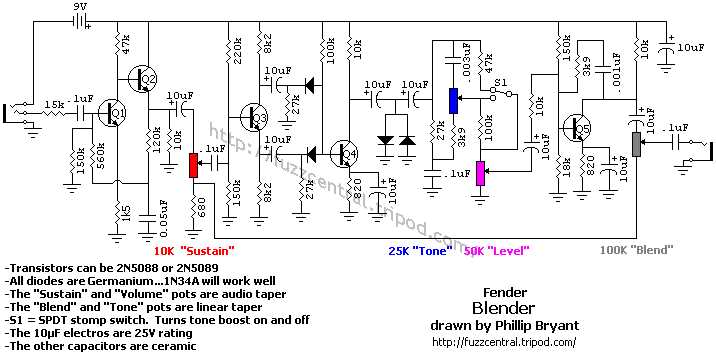
Start by connecting the input capacitor directly to the first amplification stage to preserve signal integrity. Use a resistor in series to control input current and prevent clipping before the transistor reaches its active region. This initial stage sets the dynamic response and influences how the signal will interact with subsequent stages.
Identify the key transistors or operational amplifiers that drive the gain section and place biasing resistors accurately to ensure stable operation. Adjusting these values modifies the saturation level and can prevent unwanted oscillations in the signal path.
Include diodes in the feedback loop to shape harmonic content and control clipping characteristics. Germanium diodes produce softer clipping, while silicon variants create sharper distortion. Testing different combinations allows fine-tuning of tonal color and sustain in the output.
Integrate tone-shaping components between stages by connecting capacitors and potentiometers to sculpt frequency response. Lower capacitor values emphasize treble, while higher values preserve bass warmth. Experimenting with resistor-capacitor ratios helps achieve a balanced sound suitable for live performance or recording.
Finalize output coupling and volume control by linking a capacitor to the output stage to remove DC offset and a potentiometer to manage overall level. Ensuring clean connections and consistent grounding prevents hum and preserves clarity, even at high gain.
Understanding Transistor and Diode Roles in Distortion Generation
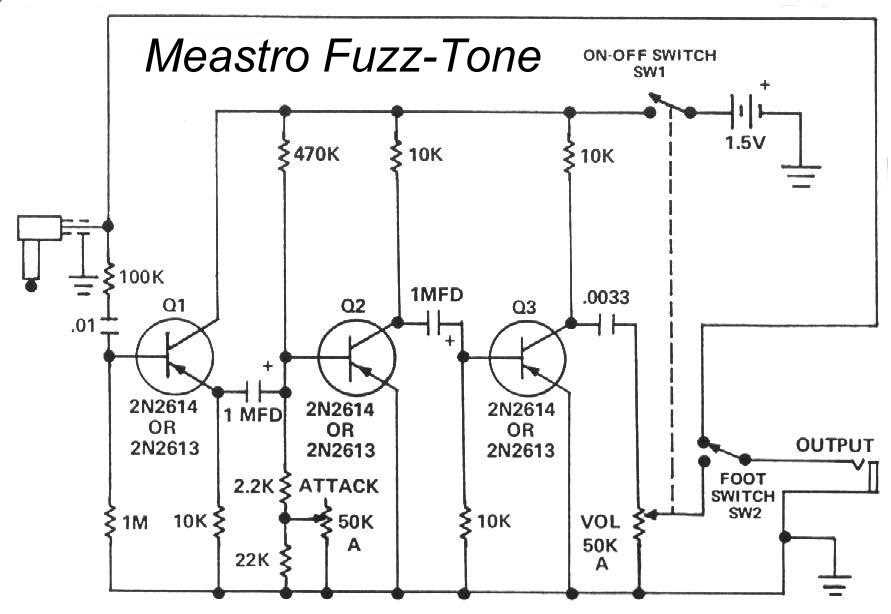
Begin by setting proper biasing on the first amplification stage using a combination of resistors and capacitors. This ensures the transistor operates in its linear region before intentional clipping occurs, which defines the initial character of the distortion.
Use diodes in the feedback or output path to shape signal peaks and control the harmonic content. Germanium types produce smoother overtones, while silicon diodes generate sharper, more aggressive clipping suitable for pronounced tonal effect.
Position subsequent transistors to cascade gain stages for increased saturation. Adjust collector and emitter resistances to fine-tune headroom and responsiveness, allowing for controlled compression and harmonic richness in the output.
Integrate diode networks strategically to limit voltage swing across transistors. This prevents excessive distortion that can mask fundamental tones and ensures the resulting sound retains clarity while emphasizing harmonic layers.
Balance transistor gain and diode clipping thresholds to achieve dynamic response. Increasing transistor amplification while lowering diode conduction voltage produces a thick, sustained distortion, whereas higher diode thresholds preserve note definition and articulation.
Finalize by checking the interaction of all stages and grounding points. Consistent grounding and precise component placement minimize unwanted oscillations and maintain stable, predictable harmonic behavior across different input levels.