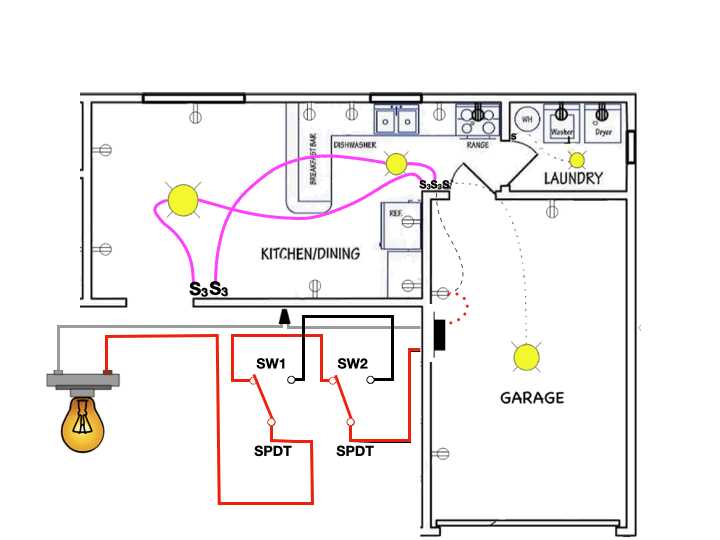
When planning electrical installations for lower-level spaces, begin by mapping out the power source distribution. Ensure that circuits are properly integrated into your home’s electrical system, following local safety standards. It’s also important to plan the routing of cables and outlets, ensuring everything is accessible for maintenance and meets building code requirements.
Next, consider the type of outlets and lighting fixtures you’ll need. For functional spaces like home offices or entertainment rooms, plan for multiple power sources in convenient locations. Lighting systems should be installed with switches placed in easy-to-reach areas. Each component should be clearly marked in your plan for easier identification during setup or troubleshooting.
Finally, safety is paramount. Double-check that all connections are properly grounded and that circuit breakers are rated correctly for the amount of power required. If unsure, consult a licensed electrician to review your layout. Code compliance must be adhered to strictly, especially in areas prone to moisture or where heavy appliances will be used.
Electrical Setup and Connections for Lower-Level Areas
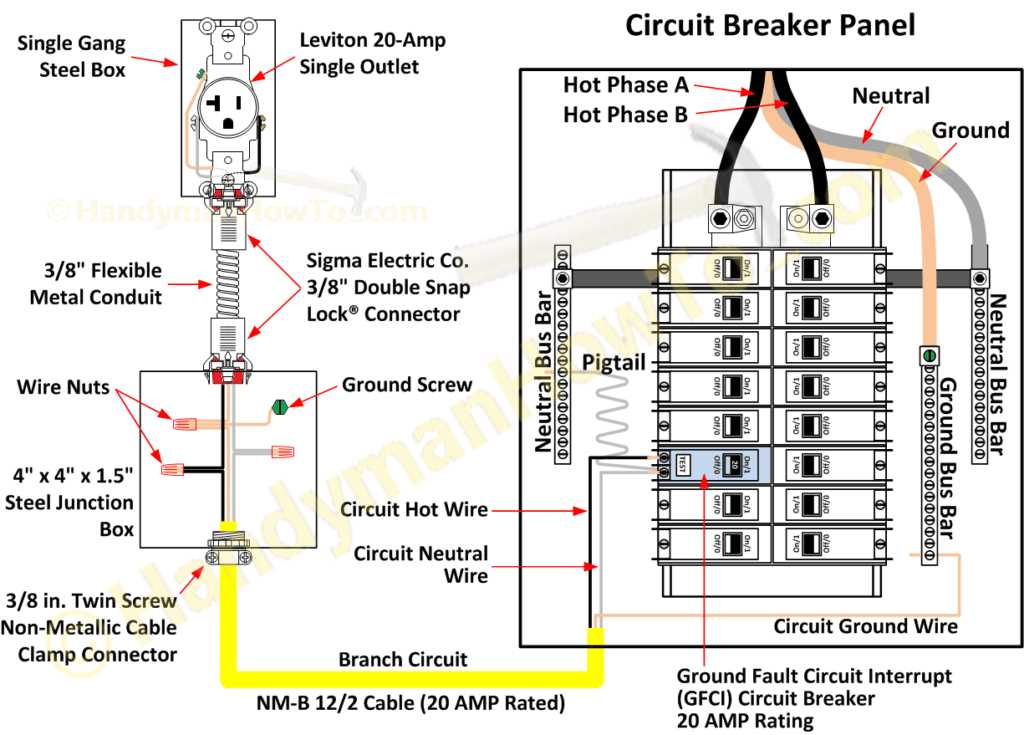
Start by determining the power source and layout for all electrical connections. Ensure the main panel is easily accessible for any future adjustments or repairs. It’s crucial that the main breaker is installed according to local building codes, with an adequate load capacity to handle any equipment that will be connected.
Next, establish a comprehensive circuit plan. Identify high-use areas like home theaters, workshops, or laundry rooms that may require dedicated circuits. Use separate circuits for high-demand equipment to prevent overloading and reduce the risk of electrical issues.
Install outlets at strategic locations, ensuring accessibility while considering the placement of furniture or appliances. It’s also a good idea to include GFCI outlets where moisture may be a concern, such as in utility or laundry areas, to prevent electrical hazards.
For lighting, plan for both ambient and task lighting. Install switches in easy-to-reach areas and avoid placing them behind furniture or obstructions. Additionally, consider dimmer switches to adjust the lighting based on needs and save energy when necessary.
Label each breaker in your panel to correspond with specific areas or circuits, making future troubleshooting simpler. This practice also improves safety during maintenance or if a circuit needs to be shut off.
Use quality cables and ensure they are the correct gauge for the load they will carry. Incorrect wiring gauge can result in overheating and pose a significant fire hazard. Always use wiring rated for the correct voltage and amperage based on the equipment you plan to connect.
Test all connections before finalizing your setup. Use a multimeter to verify the correct voltage at outlets and light switches. If any issues are identified, address them immediately to avoid long-term damage or potential fire risks.
Finally, if unsure at any point during the installation process, consult a licensed electrician. Professional assistance ensures that everything is set up safely and according to code, reducing the risk of malfunctions or hazards in the future.
Choosing the Right Power Source for Lower-Level Installations
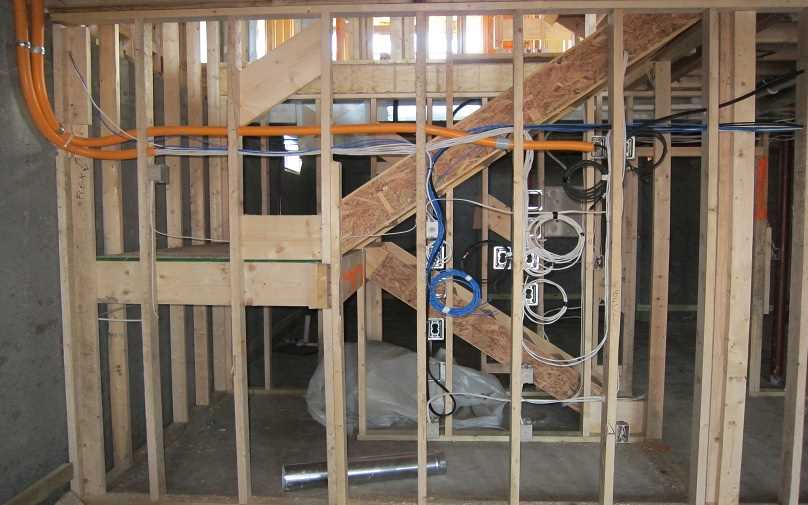
To ensure a stable and safe electrical system, the power source must match the needs of the equipment or devices being installed. Assess the available capacity from the main panel and ensure it can handle the additional load. In many cases, you may need to add a sub-panel dedicated to specific areas that require more power.
Consider the type of power required. Some setups might need 120V, while others may require 240V for higher-demand appliances like dryers or workshops. Be aware of the amperage as well to avoid overloading the circuit, and ensure it aligns with the power ratings of your equipment.
For larger installations or heavy-duty devices, make sure to install a dedicated breaker. This reduces the risk of tripping the main breaker and helps isolate power issues to a specific zone, making maintenance and troubleshooting easier.
When selecting a power source, also evaluate the safety aspects. Use GFCI or AFCI breakers where necessary to prevent electrical shocks or fire hazards. These breakers offer additional protection, especially in areas where moisture or flammable materials might be present.