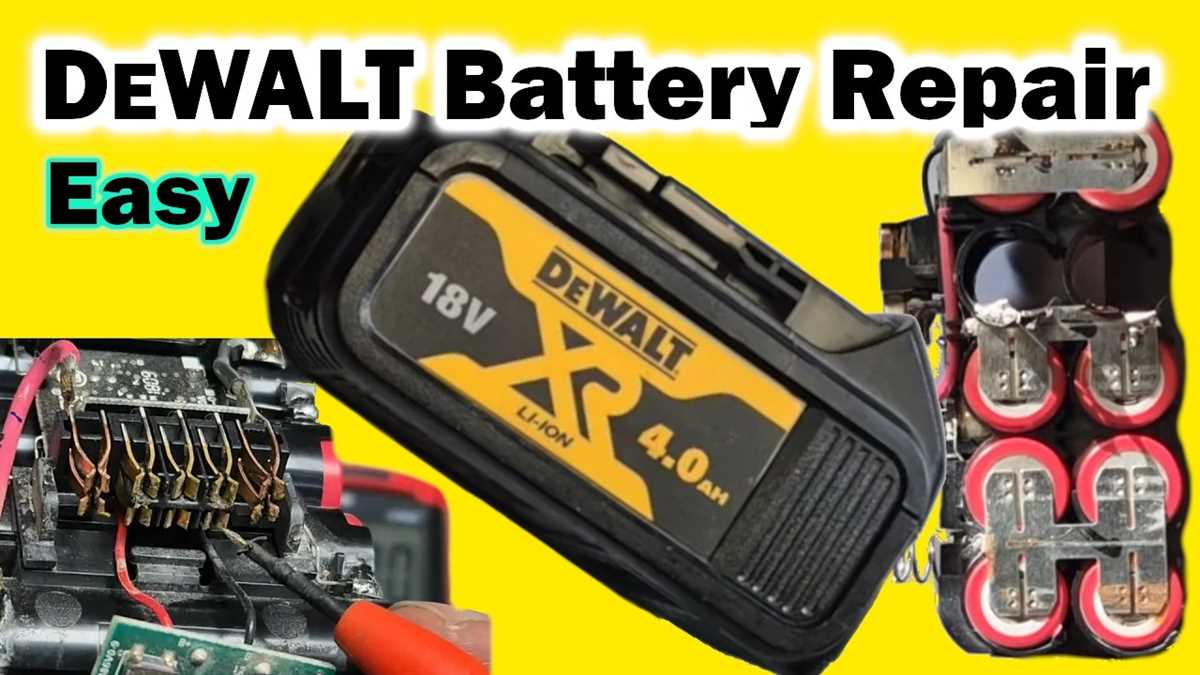
Verify input voltage at the AC terminals before attaching any leads. Confirm polarity and continuity using a multimeter. Incorrect connections can damage rectifiers and protection components immediately.
Follow the path from the transformer through the rectifying and filtering sections. Identify key points where voltage is stepped down and smoothed to provide stable current to storage cells. Misidentifying these points can lead to overheating or incomplete charging.
Check the state of safety components such as fuses, thermal cutoffs, and LED indicators. Proper function ensures overcurrent protection and alerts for reverse polarity or short circuits during operation.
Label each lead and terminal before disassembly. Accurate records prevent misplacement during reassembly and maintain the correct charging sequence for lithium-ion and NiCad packs.
Power Tool Energy Supply Analysis
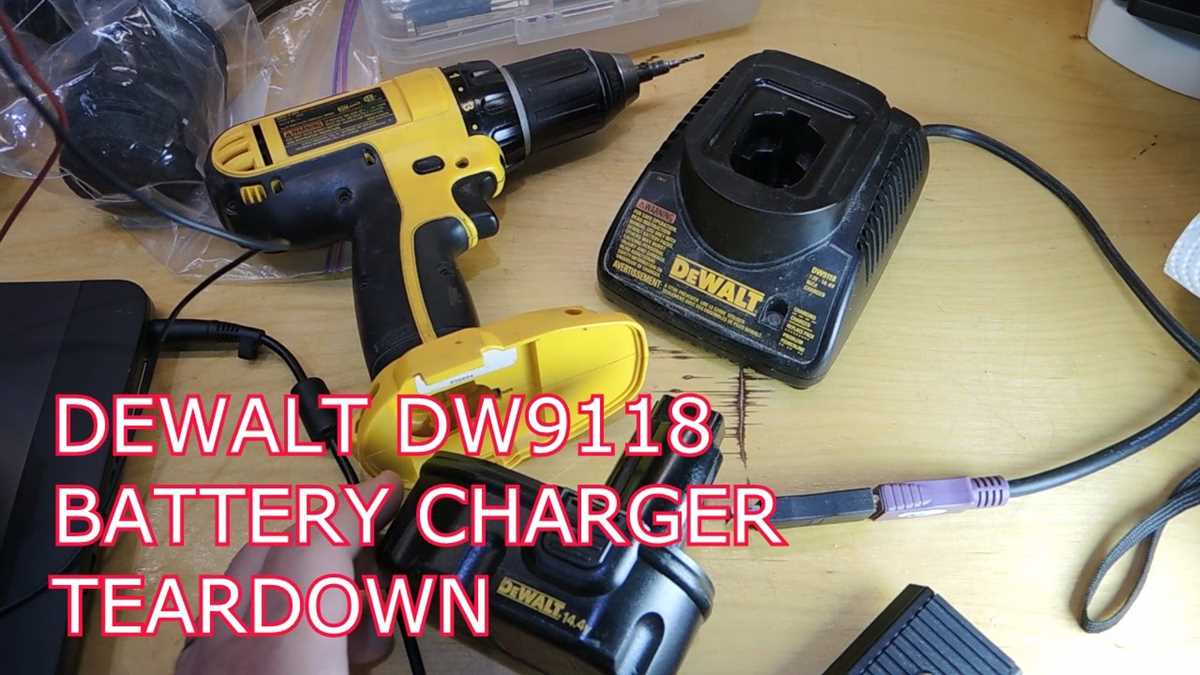
Measure input AC voltage at the primary terminals before energizing the unit. Confirm the condition of rectifiers and filter capacitors, as faulty components often cause inconsistent output and overheating. Trace the flow through step-down transformers and smoothing networks to verify proper current delivery to storage cells.
Inspect protection elements such as fuses, thermistors, and LED status indicators. Accurate identification of voltage regulation points ensures stable charging cycles and prevents reverse polarity or short circuit conditions that could damage the energy storage pack or the control module.
Identifying Power Input and Ground Connections
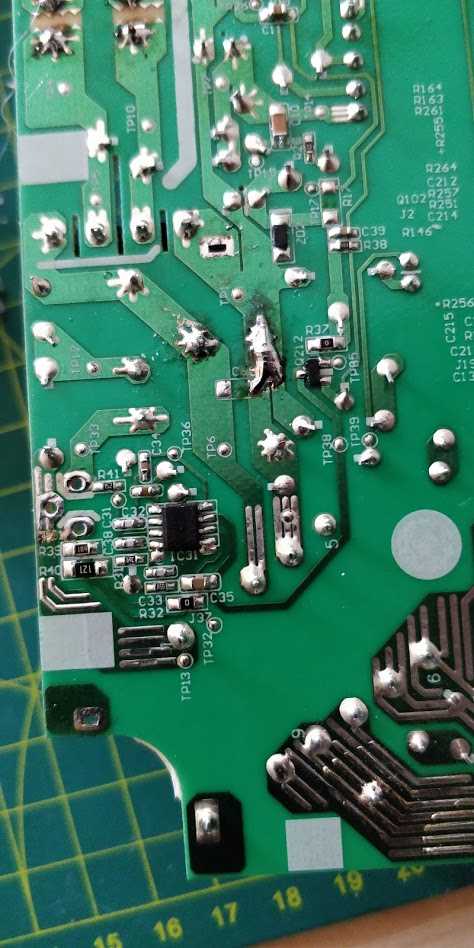
Begin by confirming the main AC supply terminals. Use a multimeter to verify live and neutral lines before connecting the unit to prevent accidental shorts or component damage.
Locate the primary ground lug, typically attached to the metallic frame or a dedicated screw marked with a grounding symbol. Ensure the connection is clean and free of corrosion to maintain proper safety and current return path.
Inspect the input leads for color codes: standard conventions use black or brown for live, blue for neutral, and green/yellow for earth. Deviations in older units may require tracing the path back to the transformer or power entry module.
Check insulation integrity along all incoming wires. Any cracks, frays, or exposed strands should be replaced before operation. Damaged insulation can create short circuits, shock hazards, or intermittent charging performance.
Use continuity testing to confirm that the ground terminal connects directly to the metallic housing without resistance. This ensures that any leakage current is safely diverted, reducing the risk of electric shock.
Trace the power path from input terminals to rectification and filtering stages. Identifying these points helps in verifying proper polarity and preventing reverse current that can damage storage cells or control electronics.
- Verify input voltage matches rated specifications printed on the label.
- Confirm polarity of DC output connectors if accessible.
- Check for blown fuses or tripped thermistors along the main path.
Document all connection points and label leads if necessary. Clear identification simplifies troubleshooting and reduces the chance of accidental misconnection during maintenance or testing procedures.