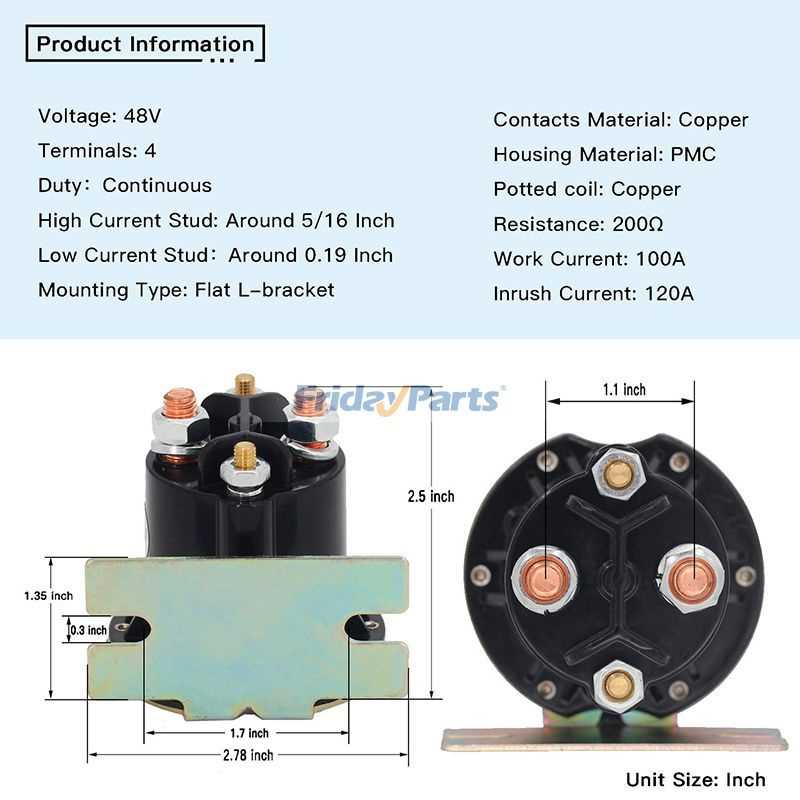
Connect the main terminals directly to the battery posts using insulated cables rated for 12 volts. Ensure the positive lead attaches to the large input lug and the negative to the output side to maintain proper current flow.
Label each control wire before attaching to the small activation points to prevent cross connections. Red leads typically carry power from the ignition switch, while black or green wires complete the circuit to the motor controller.
Check voltage with a multimeter at each junction before final assembly. A stable reading between 12.5 and 13 volts confirms the relay is receiving sufficient current to operate the drive system.
Secure all connectors with lock washers or heat-shrink tubing to prevent accidental loosening from vibration. Tight connections reduce the risk of arcing, overheating, and intermittent faults during operation.
Test the engagement by activating the switch and observing the motor response. If the mechanism does not trigger, inspect each lead for corrosion, fraying, or reversed polarity before replacing components.
Step by Step Guide for Electrical Relay Installation
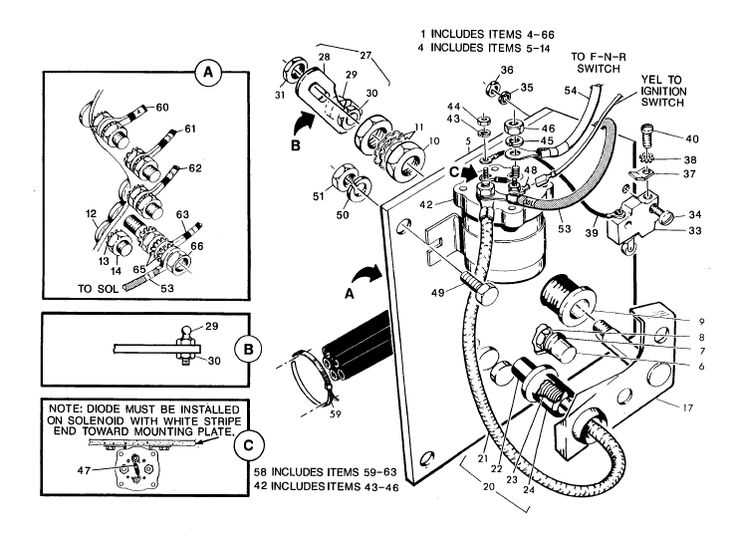
Attach the main power cable directly to the input terminal using a 10-gauge insulated wire. Tighten the nut to 25 in-lbs to prevent loose connections that can cause overheating.
Identify the small control terminals and connect the switch lead carrying 12 volts. Ensure the polarity matches the activation coil to allow proper engagement of the mechanism.
Mount the relay on a metal bracket away from moisture and vibration sources. Use rubber grommets or insulated spacers to minimize mechanical stress on the terminals and prevent short circuits.
Route the output lead carefully to the motor controller or main drive unit. Avoid sharp bends or contact with moving parts to reduce the risk of wire fatigue and potential failure during operation.
Test the relay by turning the ignition key while monitoring voltage across the activation points. A reading of 12.6 volts indicates full engagement, while lower readings suggest a loose connection or corroded contact.
Secure all connections with lock washers or terminal covers to protect against accidental disconnection. Check each lug for corrosion and clean with a wire brush if necessary before final tightening.
Verify the current flow through the relay with a clamp meter. The drive circuit should draw 40–60 amps under load; values outside this range indicate improper installation or a damaged component.
Recheck all leads after initial operation and inspect the mounting points for any movement. Ensuring stable positioning reduces vibration-induced faults and prolongs the lifespan of the assembly.
Identifying Relay Terminals and Electrical Connections
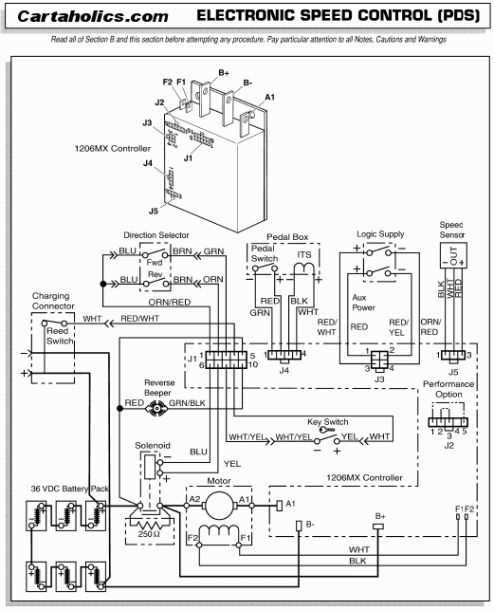
Start by locating the four main points on the activation unit. Two large posts handle the high current from the battery, while two smaller terminals control the engagement coil.
Mark each lead before removing or reconnecting to avoid reversing polarity. Incorrect placement can prevent the drive mechanism from operating or cause sparking.
Large Current Connections
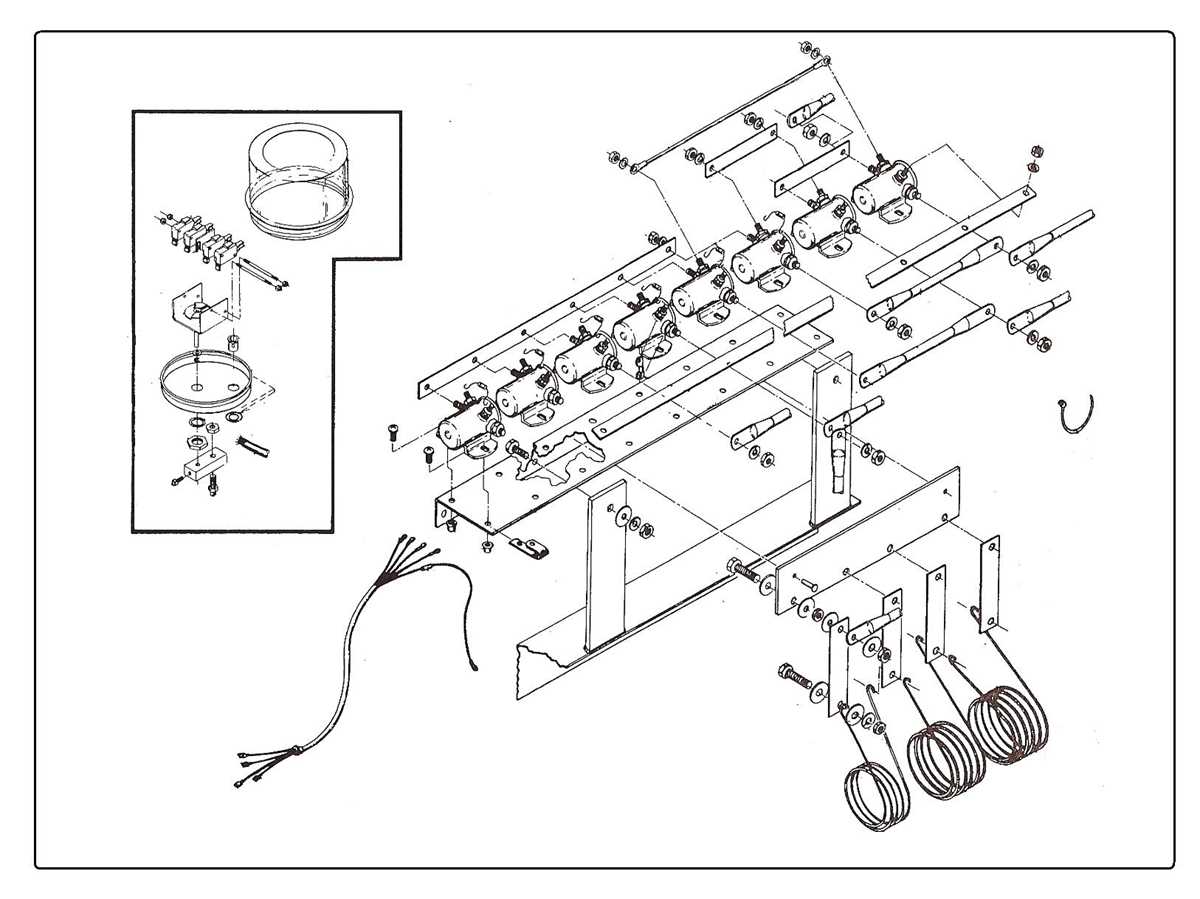
- Positive input from the main battery post
- Output lead going to the motor controller or drive module
Use a 10-gauge wire for these paths to support peak current without overheating. Ensure the nuts are tightened to prevent voltage drops.
Control Terminals
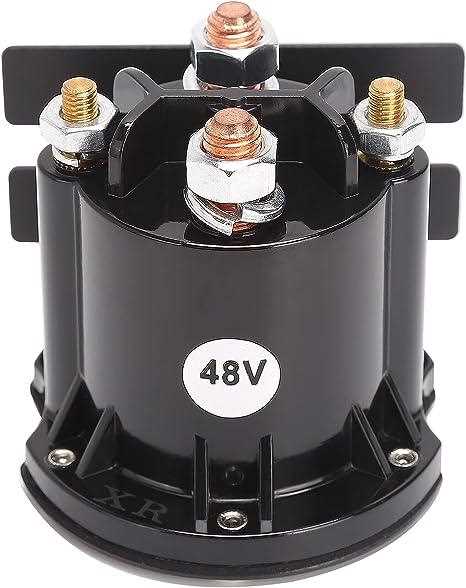
- 12-volt lead from the ignition switch
- Ground or return path completing the activation coil circuit
Verify each connection with a multimeter before final assembly. Measure voltage at the control terminals when the switch is engaged; a reading near 12.5 volts confirms proper connectivity.
Protect terminals with insulated caps or heat-shrink tubing to prevent accidental shorts and corrosion. Ensure wires are routed away from sharp edges or moving parts.
- Check for any frayed insulation along the path
- Confirm nuts are torqued to specification
- Label all wires for future maintenance
Perform a dry run before mounting covers to ensure the activation mechanism engages smoothly. Adjust connections if engagement is delayed or inconsistent.