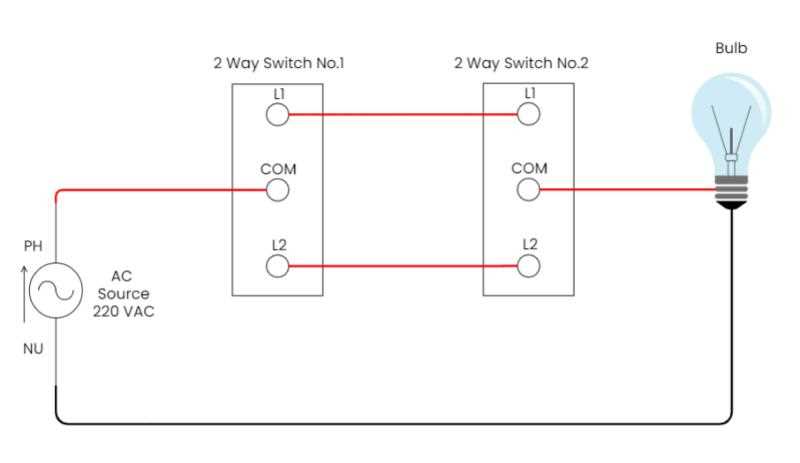
Connect power lines to designated terminals using insulated connectors rated for the circuit amperage to avoid overheating and shorts. Check all voltage ratings before touching live ends.
Label each path and junction clearly to maintain organized flow and reduce confusion when modifying or troubleshooting circuits later. Use color-coded tags or markers for clarity.
Test continuity and polarity with a multimeter before energizing panels. Ensure all neutral and ground lines are properly bonded to prevent electric shock or malfunction.
Route conductors along protective channels to minimize abrasion or accidental contact. Avoid tight bends that could stress insulation and create weak points in the flow network.
Verify load compatibility for each terminal block or device. Matching rated voltage and current prevents overheating of switches, relays, and appliances connected to the layout.
Document modifications immediately with clear notes and sketches. Future maintenance or expansions rely on accurate records of connection points and junctions.
Install protective devices like fuses or breakers in every branch to isolate faults quickly. Position them where they can be easily accessed for testing or replacement.
Step-by-step guide to understanding electrical connection layouts
Identify main power sources first and label each conductor with its voltage rating and function to prevent cross connections. Use insulated tools when handling live terminals.
Trace each branch individually from distribution points to load devices, marking junctions and splices with tags or colored tapes for clear visibility during maintenance.
Check polarity on all paths using a multimeter before energizing any section. Ensure neutral and ground lines are properly separated and connected according to code requirements.
Route conductors along protective channels and keep them away from heat sources or sharp edges. Avoid excessive bending that can damage insulation and reduce current capacity.
Document every connection point with notes or sketches. Include terminal numbers, color codes, and fuse locations to simplify future troubleshooting or system expansion.
Install overcurrent protection devices on each branch to isolate faults quickly. Verify breaker ratings match the load to prevent nuisance trips or overheating.
Perform step-by-step testing after completing each section. Energize circuits incrementally and measure voltage drop, continuity, and current flow to detect errors early.
Maintain a consistent labeling system for all terminals and junctions. Update records after modifications to ensure anyone referencing the layout can follow the path without ambiguity.
Identifying power sources and load terminals in household panels
Start by locating the main feed entering the panel and verify voltage levels using a multimeter. Label hot, neutral, and ground conductors clearly to prevent misconnection during maintenance.
Examine each branch breaker and follow the path of its connected conductors to load terminals. Confirm that each device is connected to the proper phase to maintain balanced distribution across circuits.
Use color-coded markers or tags on all conductors leading to outlets, appliances, and fixtures. This helps quickly distinguish between feeders, returns, and protective grounding paths when tracing faults.
Inspect terminal tightness and corrosion at connection points. Loose or oxidized contacts can increase resistance, generate heat, and reduce the reliability of household circuits, so retighten and clean as needed.