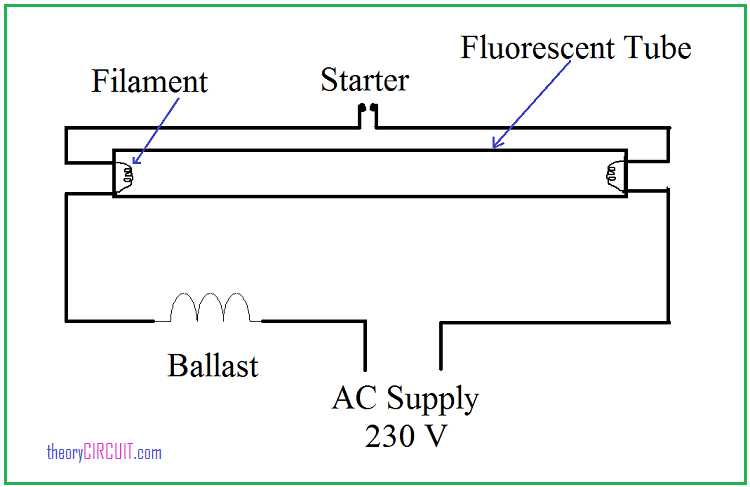
The design of energy-saving bulbs requires precise understanding of electrical components that regulate voltage and current. These systems typically consist of an electrode, a starter, and a ballast to control energy flow and provide illumination. Knowing how each component interacts is key to diagnosing failures or making improvements in performance.
The heart of the mechanism lies in a gas-filled tube, which requires a reliable circuit to start and maintain operation. The starter helps ignite the gas, while the ballast stabilizes the current. An improper configuration or faulty part can cause flickering, low brightness, or even total failure of the light. Regular testing of each part ensures prolonged service life and reliable performance.
When assembling or troubleshooting, always double-check the wiring connections and confirm the proper rating of each part. Incorrect voltage regulation is one of the most common causes of malfunction. A good grasp of these principles allows you to make informed repairs or optimize the setup for better power use.
Understanding the Design of Energy-Efficient Light Bulbs
Start by reviewing the key components that make up the lighting system. The setup typically consists of a bulb containing a gas-filled tube, a ballast, and a starter. The ballast regulates the voltage, while the starter triggers the ignition of the gas, allowing the bulb to light up. These elements must work in tandem to ensure reliable operation.
The primary function of the ballast is to control the flow of electricity to the light source. It regulates the current to prevent overloading, which could lead to damage or flickering. When selecting a ballast, ensure it matches the power specifications of the bulb. An incompatible ballast can significantly reduce the lifespan of the bulb and affect performance.
How the Gas-Filled Tube Functions
Inside the bulb, the gas-filled tube plays a central role in the lighting process. Typically, the tube contains a mixture of inert gases and a small amount of mercury vapor. When the bulb is powered on, the starter creates a brief surge of electricity, which excites the gas, causing it to emit light. This is a delicate process, as the tube must maintain proper gas pressure and temperature to function efficiently.
Understanding how the tube interacts with the electrical components is crucial for troubleshooting issues. If the bulb flickers or doesn’t light up, check the integrity of the gas tube and the connections to the ballast and starter. Problems with any of these elements can lead to performance issues or complete failure of the bulb.
Preventing Common Malfunctions
Common problems often arise from faulty wiring or incorrect ballast installation. Incorrect wiring can lead to fluctuating current, causing the bulb to operate inefficiently or not at all. When installing or replacing parts, follow manufacturer guidelines carefully to ensure that all components are connected properly. If you’re unsure, consulting a wiring diagram specific to the model you’re working with is highly recommended.
To prevent early failure, always use components that match the specifications of the bulb you’re working with. Avoid overloading the system by using components rated for higher wattages or currents than necessary. If you’re installing multiple bulbs in one system, ensure the power supply is adequate for the total load. An overtaxed power source can cause overheating and damage to the components.
Understanding the Main Components of a CFL Circuit
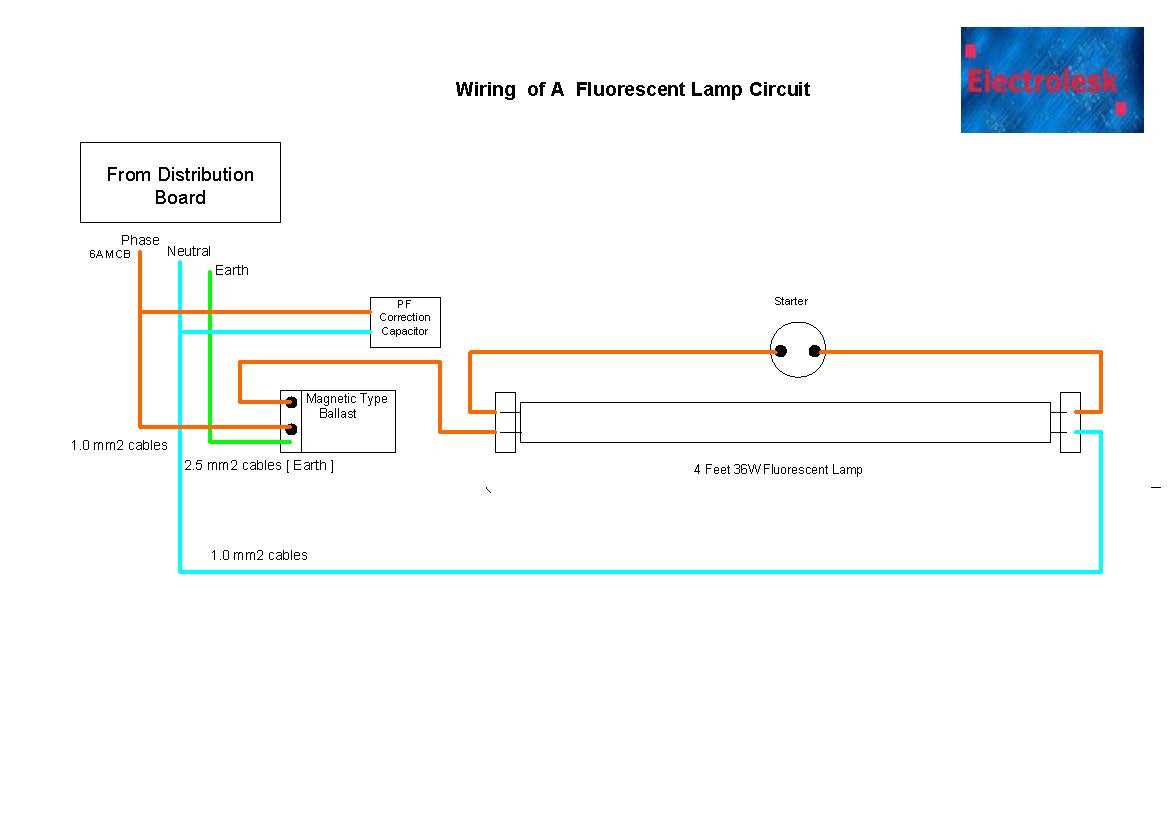
The most important components in an energy-efficient light bulb system are the ballast, starter, and gas-filled tube. The ballast is responsible for regulating the voltage supplied to the tube, while the starter creates a surge to ignite the gas inside. When choosing a ballast, ensure that it is properly rated for the wattage and voltage of the specific bulb you are working with. If the ballast is too powerful or weak, it can cause overheating or underperformance.
The gas-filled tube, usually containing a small amount of mercury vapor, is activated when the starter provides an initial electrical pulse. This interaction excites the gas particles, causing them to emit light. Proper functioning of the tube is critical, as it must maintain the correct pressure and temperature for optimal brightness. Any damage or leakage can result in the bulb failing to light or emitting inconsistent brightness. Regular checks on the integrity of these parts can prevent many common lighting issues.