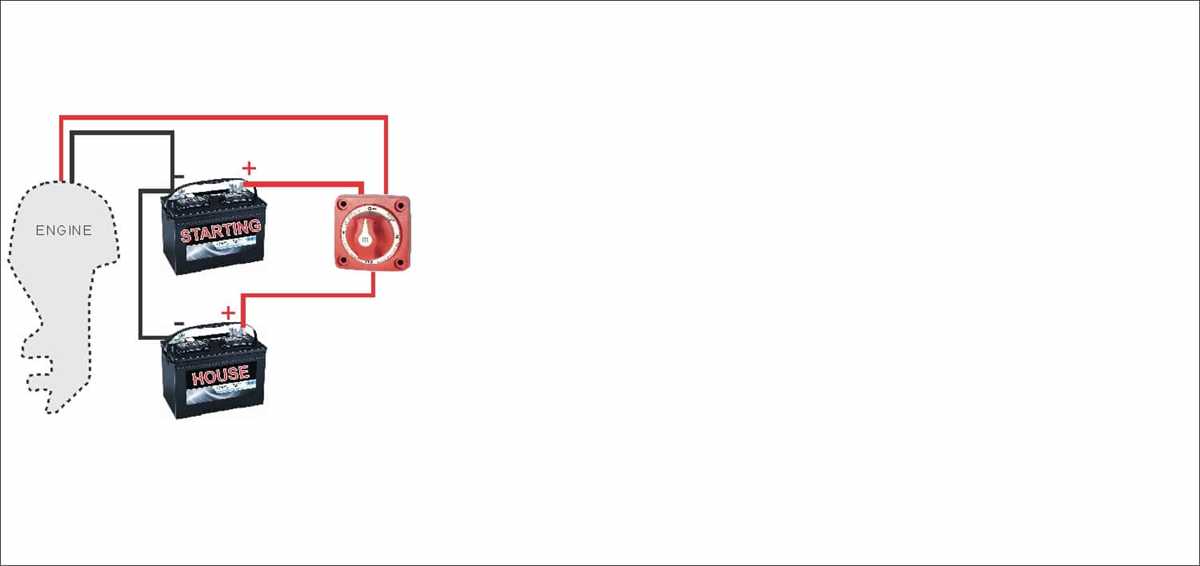
Attach the main power leads directly to the marked terminals to prevent overheating and reduce the risk of short circuits. Tighten all screws to manufacturer-specified torque to maintain secure conductivity and avoid loose connections.
Test each circuit with a multimeter before energizing the system. Verify continuity between switches, relays, and devices to ensure correct activation of lighting, pumps, and auxiliary equipment.
Mount control panels on a rigid, vibration-free surface at least 150 millimeters away from moving parts to minimize mechanical stress and prevent accidental contact with rotating components.
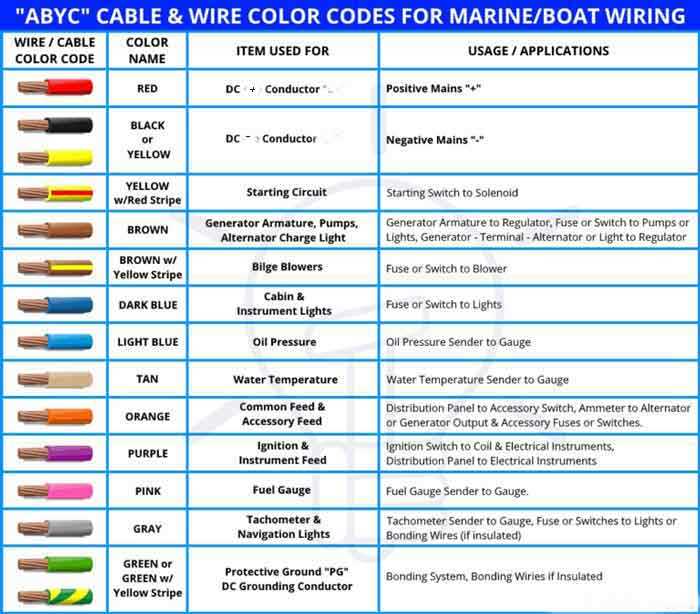
Label all conductors using color codes or numbered tags to simplify maintenance and future modifications. Identifying feed, ground, and load paths clearly reduces the likelihood of misconnection and speeds up troubleshooting.
Perform a dry operational test by cycling switches and observing relays without activating pumps or motors. Adjust activation points as needed to confirm stable and reliable response across all circuits.
Electrical Connections and Setup on a Recreational Watercraft
Connect the main power supply to the labeled terminals to ensure stable operation of all onboard systems. Verify that each screw is tightened to manufacturer-recommended torque and that wires are free of corrosion or damage to prevent overheating or interruptions in current flow.
Securing and Organizing Circuits
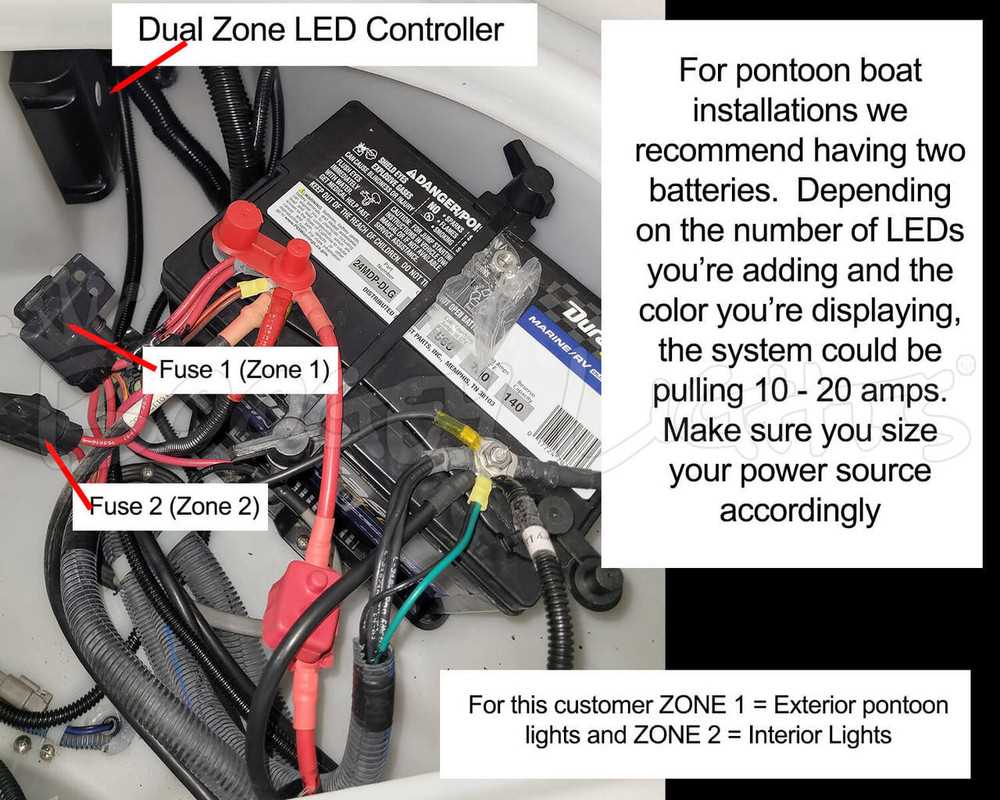
Route cables along designated channels and use insulated clamps to prevent chafing against metal surfaces. Clearly label each conductor with color codes or numbered tags to simplify future maintenance and reduce the risk of accidental cross-connections between lighting, pumps, and auxiliary devices.
Identifying and Labeling Electrical Terminals on the Watercraft
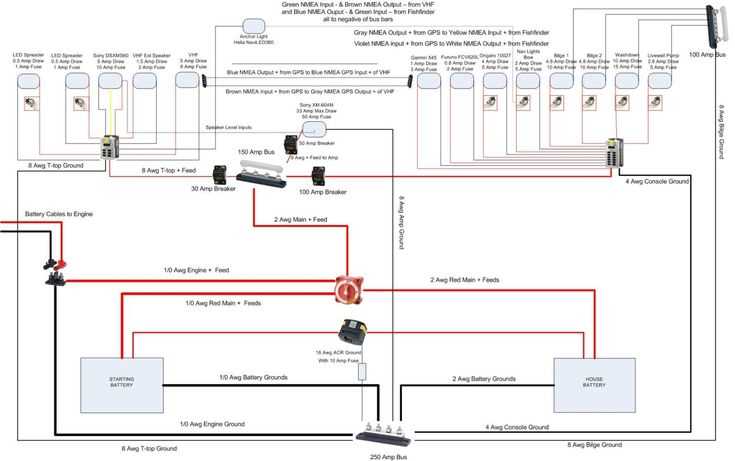
Inspect all connection points on the main distribution panel before attaching any conductors. Look for terminals marked with L, N, and G to distinguish live, neutral, and ground paths. Ensure metal contacts are clean and free of oxidation to maintain reliable current flow.
Marking Conductors and Panels
Use color-coded sleeves or numbered tags on each cable to match feed, load, and auxiliary circuits. This allows quick identification during maintenance or upgrades and reduces the risk of cross-connection.
Create a reference chart listing each terminal and its associated device. Include details such as amperage ratings, fuse positions, and circuit paths to help prevent overloading and simplify troubleshooting. Example structure:
- Terminal L1 – Main lighting circuits
- Terminal L2 – Bilge pump and water systems
- Terminal N – Common neutral return path
- Terminal G – Ground bus and safety connections
Testing and Verification
Use a multimeter to confirm continuity and proper labeling before energizing any system. Test each path individually and record results on the reference chart. This ensures all connections are secure, correctly identified, and ready for safe operation.