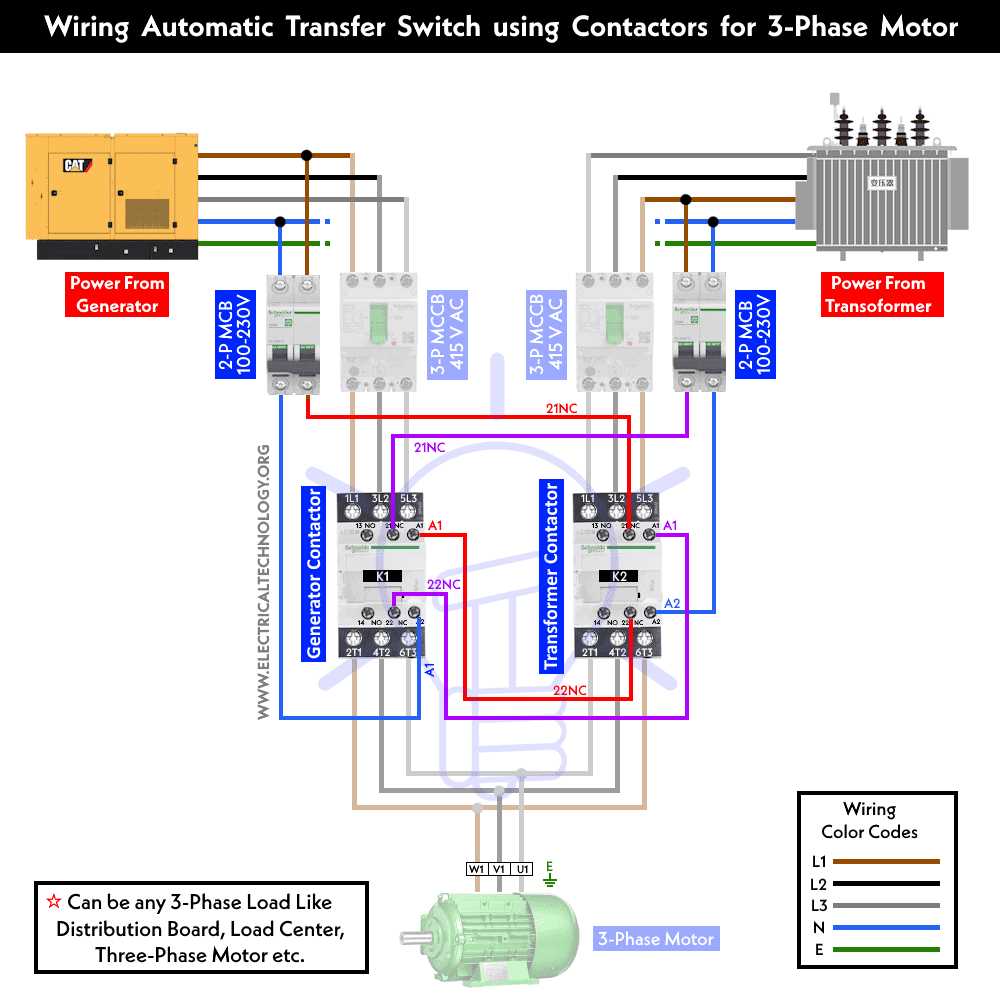
Start by identifying all symbols and lines in the panel plan to ensure accurate connections. Use a multimeter to verify continuity and voltage at key points before proceeding with installation.
Mark all load terminals clearly to avoid confusion when adding switches or outlets. Standardize color codes for hot, neutral, and grounding paths to maintain consistency across circuits.
Follow manufacturer specifications for amperage and voltage ratings when connecting components. This reduces the risk of overload and ensures long-term reliability of the system.
Document any modifications immediately by updating the schematic layout. Accurate records simplify future troubleshooting and prevent accidental short circuits or misconfigurations.
Understanding Layouts for Residential and Commercial Systems
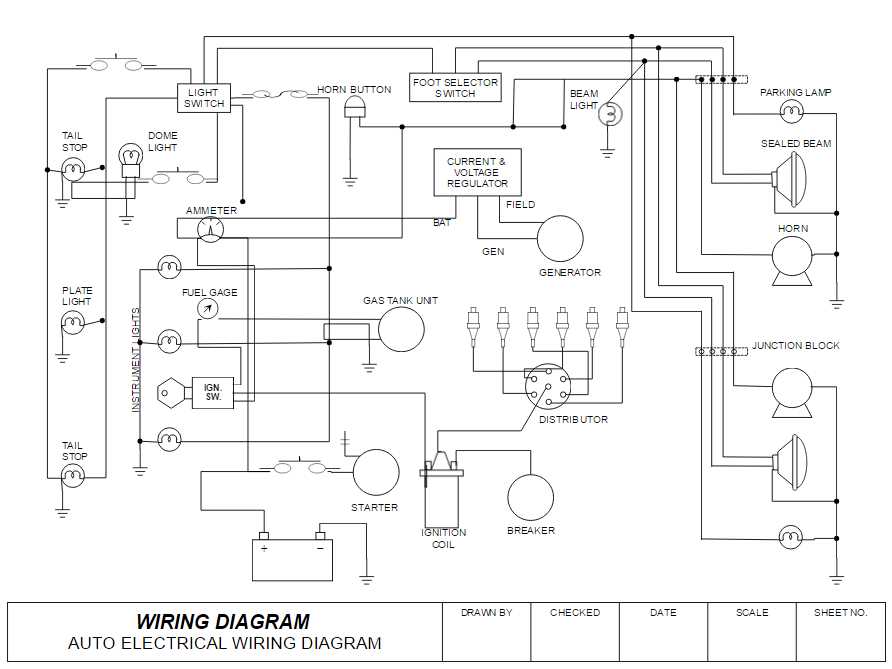
Identify main panels and subpanels first. Verify their locations and load capacities before connecting any circuits to prevent overloading breakers.
Label all circuits clearly using standardized tags. This simplifies future maintenance and reduces errors when adding outlets, lights, or appliances.
Follow the path of each phase line from the service entrance to individual terminals. Confirm voltage and current specifications for each branch to match device requirements.
Separate high and low power lines to avoid interference. Maintain minimum spacing between heavy loads and sensitive electronics to prevent signal degradation.
Check grounding and bonding points for all metal enclosures and conduit runs. Ensure continuity with the main grounding bar to maintain safety across the building.
- Map each switch and receptacle to the corresponding breaker.
- Document locations of junction boxes and connections.
- Highlight areas requiring surge protection or isolation transformers.
Verify load calculations for combined circuits in residential or commercial setups. Use amperage charts to confirm that total demand stays below panel rating.
Maintain an up-to-date schematic after every modification. Digital or printed copies allow technicians to quickly trace faults and plan future expansions safely.
Interpreting Circuit Symbols and Connection Points for Accurate Installation
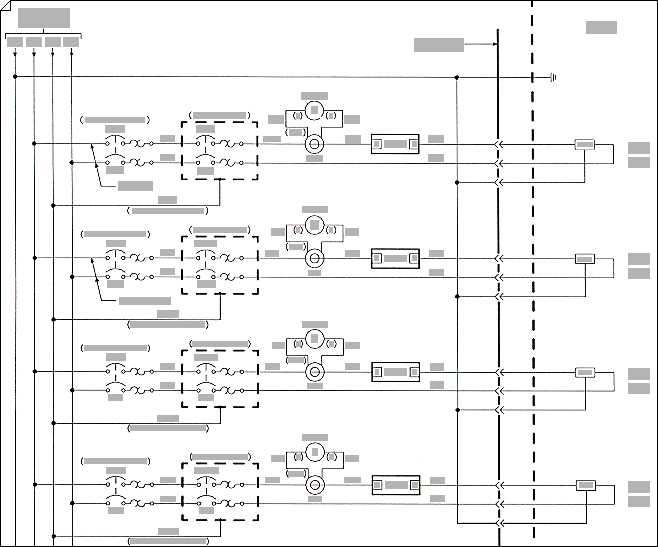
Identify each symbol type and match it to its corresponding device or component. Recognize resistors, capacitors, switches, and power sources by shape and label to ensure proper placement during assembly.
Trace each connection point carefully to confirm continuity between nodes. Use color coding or numbering to prevent misrouting and avoid potential shorts or overloads in the network.
Cross-check schematic annotations against physical terminals and junctions. Verify voltage ratings and polarity before making connections to guarantee safe and reliable operation of all circuits.