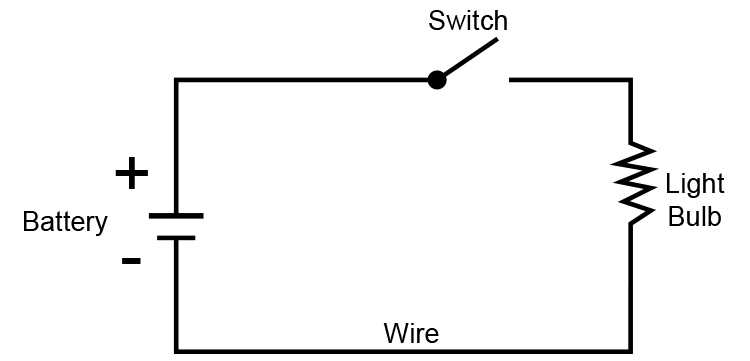
Start by connecting the power supply to the fixture through the switch. Attach the live wire from the power source to the input terminal of the switch. From the switch, connect the output terminal to the live terminal of the light fitting. Ensure the wire is securely fixed in place to prevent accidental disconnections or electrical faults.
Next, connect the neutral wire from the power source directly to the neutral terminal of the light fixture. This wire completes the path for current flow once the switch is turned on, allowing the light to function properly. Pay attention to the wire’s insulation and ensure it is not damaged or frayed.
Finally, ground the system by connecting the ground wire from the power source to the metal frame of the fixture or to the grounding terminal if available. Proper grounding helps prevent electrical shocks in the event of a fault. Make sure all connections are tight and secure before testing the system.
Lighting Setup Guide
Begin by selecting the correct gauge of wire for the installation. For a standard home setup, use 14 AWG wire for circuits with a 15-amp fuse or breaker. If the load exceeds 15 amps, use 12 AWG wire to ensure proper current handling. This ensures safety and prevents overheating in the wiring.
Next, connect the live wire from the power source to the switch. The switch will act as an intermediary, controlling the flow of electricity to the fixture. Attach one end of the live wire securely to the input terminal of the switch and the other end to the fixture’s live terminal. Make sure the connection is firm and well-insulated to prevent any short circuits.
For the return path, connect the neutral wire from the power source directly to the neutral terminal of the fixture. This wire completes the electrical loop, allowing current to flow through the system and back to the power source. Ensure there are no loose connections or exposed copper that could cause a fault.
Ground the system to avoid electric shock hazards. Connect the ground wire to the metal body of the fixture or a designated grounding terminal. If the fixture has a ground screw, attach the ground wire there. Always check that the ground connection is secure to protect against electrical faults.
Before turning on the power, double-check all connections. Ensure that no wires are frayed or improperly connected. Test the system by flipping the switch to verify that the fixture is working correctly. If the light does not turn on, check for loose connections or damaged wires that could be interrupting the flow of power.
How to Connect a Light Fixture to a Power Source
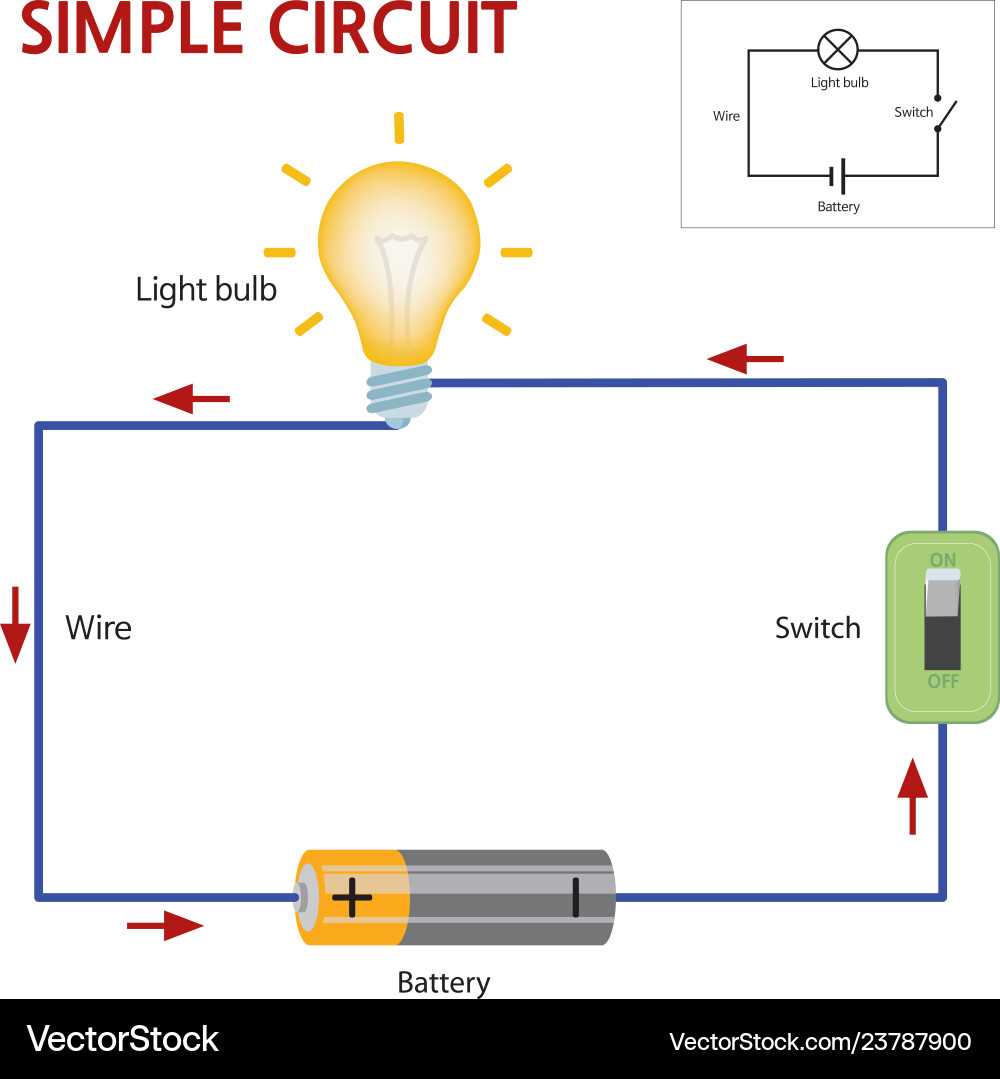
Begin by cutting the power to the area where you plan to install the fixture. This is crucial for safety, as it prevents electrical shocks while making the necessary connections. Use a voltage tester to ensure no current is present before proceeding.
Next, determine the live (hot) and neutral wires from the power source. The live wire usually has black insulation, while the neutral wire is typically white. Connect the live wire to the input terminal of the switch or fixture, ensuring a solid and secure connection.
Connect the neutral wire from the power source directly to the neutral terminal of the fixture. Make sure the wire is properly stripped at the ends to ensure good contact with the terminals. Avoid any exposed copper that could cause short circuits.
If the fixture has a ground terminal, connect the ground wire to it. The ground wire is typically green or bare and provides safety in case of a fault, ensuring that electricity safely returns to the ground. Always check that the ground connection is properly secured to prevent potential hazards.
For fixtures that require a switch, wire the switch between the power source and the fixture’s live terminal. Ensure the switch is correctly rated for the voltage and current of your system. This allows you to control the flow of electricity to the fixture.
After making the connections, use electrical tape to secure any exposed wire ends, especially for connections at the fixture or switch. This will prevent accidental contact with live parts and ensure a safe, reliable setup.
Finally, double-check all connections before turning the power back on. If everything is connected correctly, flip the switch to test the fixture. If it doesn’t light up, inspect the wiring for any loose connections or faults that may need addressing.