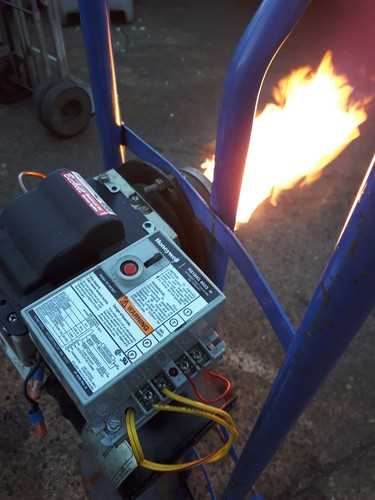
Verify all power sources are disconnected before handling the main control assembly to prevent short circuits and avoid damage to sensitive components. Ensure that the main switch is off and circuit breakers are disengaged.
Identify each terminal using color codes and labels stamped on the control board. Red leads indicate high-voltage supply, blue is typically for ignition activation, and white connects to the limit and safety switches.
Use a multimeter to confirm continuity between terminals before making connections. This prevents misfiring and ensures the transformer and ignition components receive the correct voltage levels.
Secure all connectors firmly using the proper clips or screws. Loose connections can lead to intermittent operation or failure of the flame detection system, potentially causing lockouts during operation.
Double-check relay and thermostat inputs to verify that the sequencing follows the recommended order: transformer, ignition module, limit switch, and then the burner motor. Incorrect order may prevent reliable ignition or trigger repeated shutdowns.
Heating Unit Connection Overview
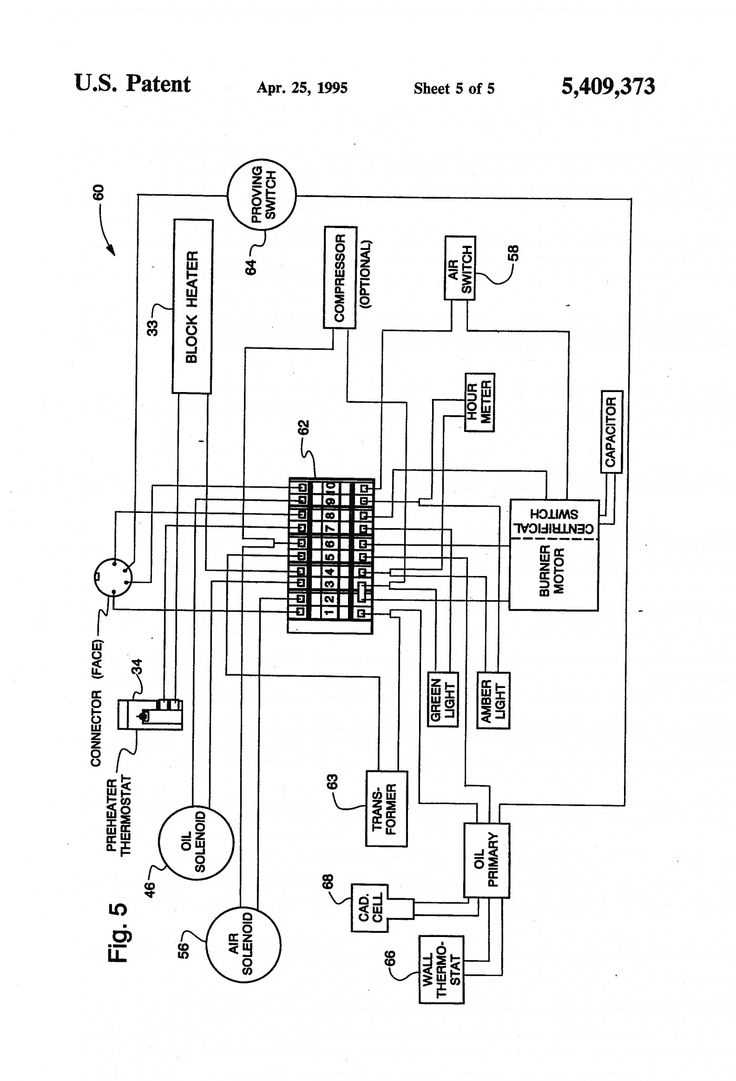
Confirm the main power is off before linking any terminals on the ignition assembly. Identify each lead by color and function: red supplies high voltage, white connects to safety and limit switches, and blue activates the ignition sequence.
Ensure all connectors are securely attached to prevent intermittent operation. Check the relay sequence from transformer to ignition module and then to the motor to maintain proper start-up and prevent flame detection errors.
Identifying Terminals and Color-Coded Leads for Heating Units
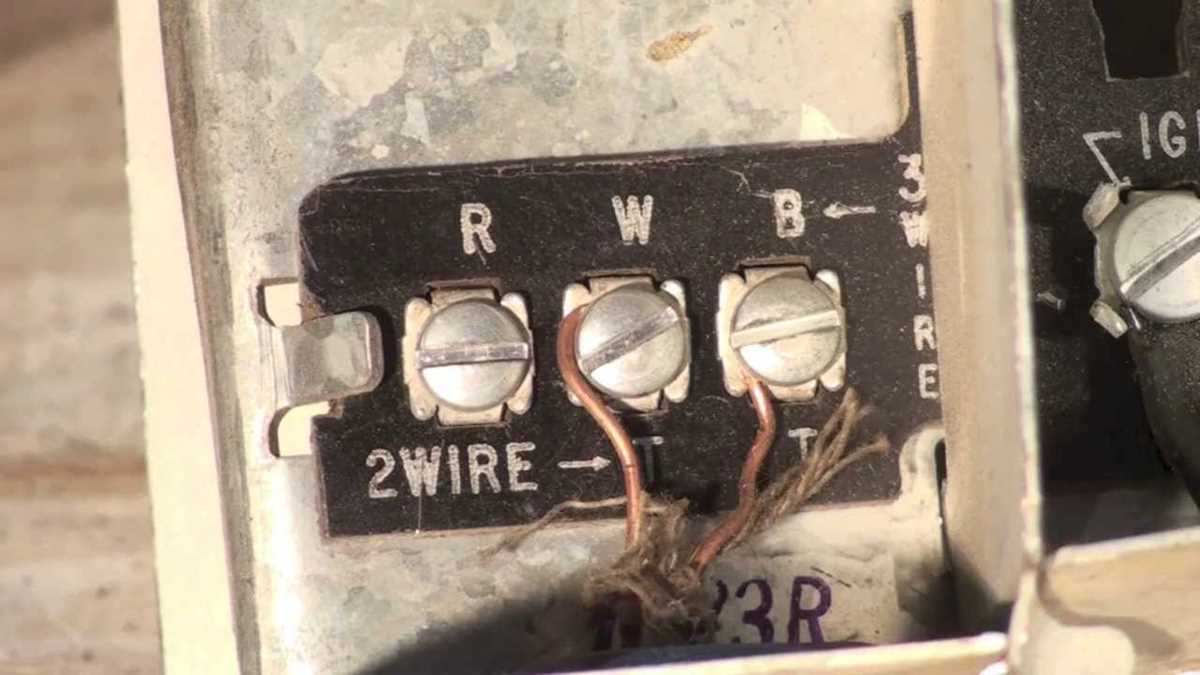
Start with the primary power terminals which are typically red and black. The red lead carries the high-voltage supply from the transformer, while the black lead connects to the neutral bus. Ensure the connections are tight to prevent voltage drops or sparking.
Next, identify the signal and safety leads. White and yellow wires usually connect to limit switches and flame sensors. The white lead ensures proper safety shutoff if the temperature exceeds safe limits, while the yellow lead transmits ignition feedback to the control module.
Finally, locate the activation leads. Blue and green wires often trigger the ignition sequence and motor engagement. Use a multimeter to verify continuity and confirm that each color-coded lead aligns with the expected terminal before powering the unit for testing.