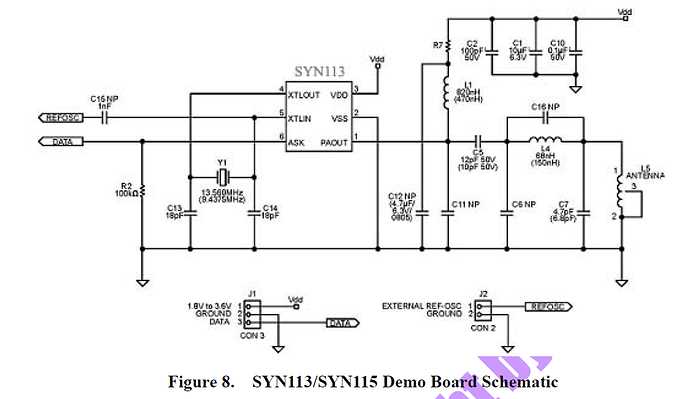
Match voltage and current ratings of the sending and receiving units with your power source. Using a regulated 5V supply ensures stable operation and prevents damage to sensitive components.
Arrange modules on a test board with minimal distance between power and signal lines to reduce interference. Maintain a clear separation from high-current devices that may introduce noise.
Label all input and output pins before making connections. Identifying data, ground, and power pins prevents reversed connections and avoids malfunctions during initial testing.
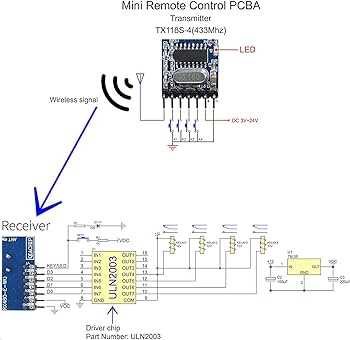
Verify signal integrity using a multimeter or logic analyzer. Check for correct voltage swings at the data output and confirm reception at the receiving unit before final installation.
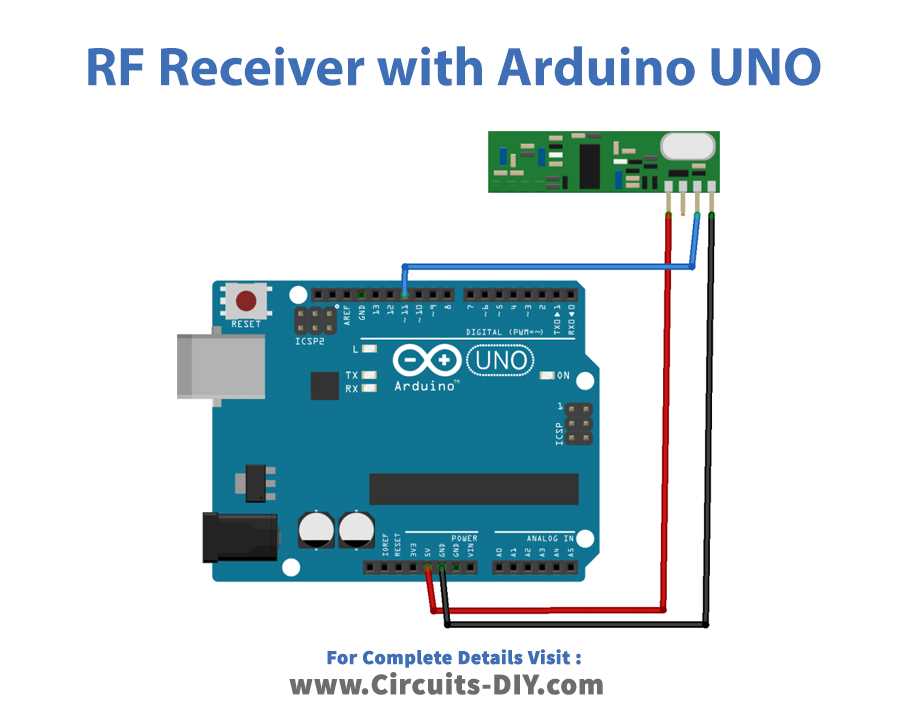
Document all connections with a sketch or photo reference. This record simplifies troubleshooting and allows repeating the setup for additional modules or future projects.
433MHz Transmitter and Receiver Setup Guide
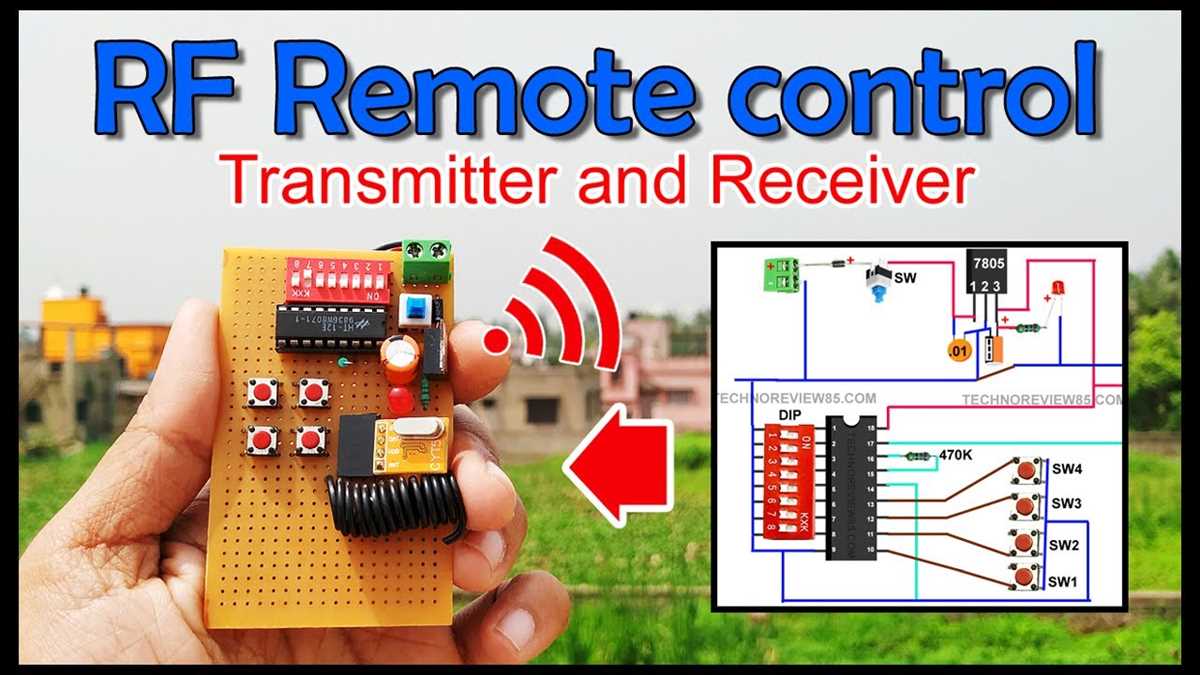
Verify power requirements for both sending and receiving units. Use a regulated 5V supply with sufficient current rating to prevent voltage drops that can cause communication failures.
Position modules with minimal interference. Keep them away from high-current devices, motors, or fluorescent lights that can introduce signal noise and reduce range.
Connect signal lines carefully following the correct pinout for data, ground, and voltage. Reversing connections can damage components or prevent successful transmission.
- Check data line continuity with a multimeter
- Use short, twisted wires to reduce electromagnetic interference
- Label pins to maintain consistency during testing
Test the communication range by sending sample signals between modules. Observe the reception accuracy at different distances and adjust antennas or positions as needed.
Document all connections and settings including supply voltages, pin assignments, and observed signal strength. This record allows replicating the setup or troubleshooting errors efficiently.
Implement protective measures such as inline fuses or decoupling capacitors. These components stabilize power delivery and protect against voltage spikes that could damage the units.
Select Compatible Modules and Power Sources
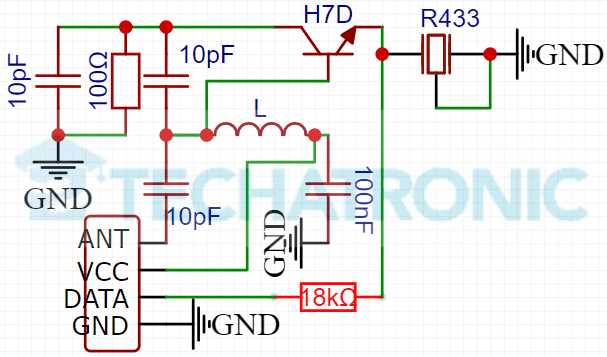
Check voltage and current ratings of both the sending and receiving units before connecting them to a power supply. Using a regulated 5V source with at least 200mA ensures stable operation without brownouts.
Match module specifications for frequency range, data rate, and input/output logic levels. Selecting compatible components avoids signal mismatch and reduces errors during transmission.
Use separate power leads for each unit if possible. This prevents voltage drops and interference caused by shared supply lines, especially when using longer cables or multiple devices on the same bus.
Include protective components such as decoupling capacitors or inline fuses. Capacitors stabilize voltage during switching events, while fuses safeguard modules from accidental short circuits or overcurrent situations.